
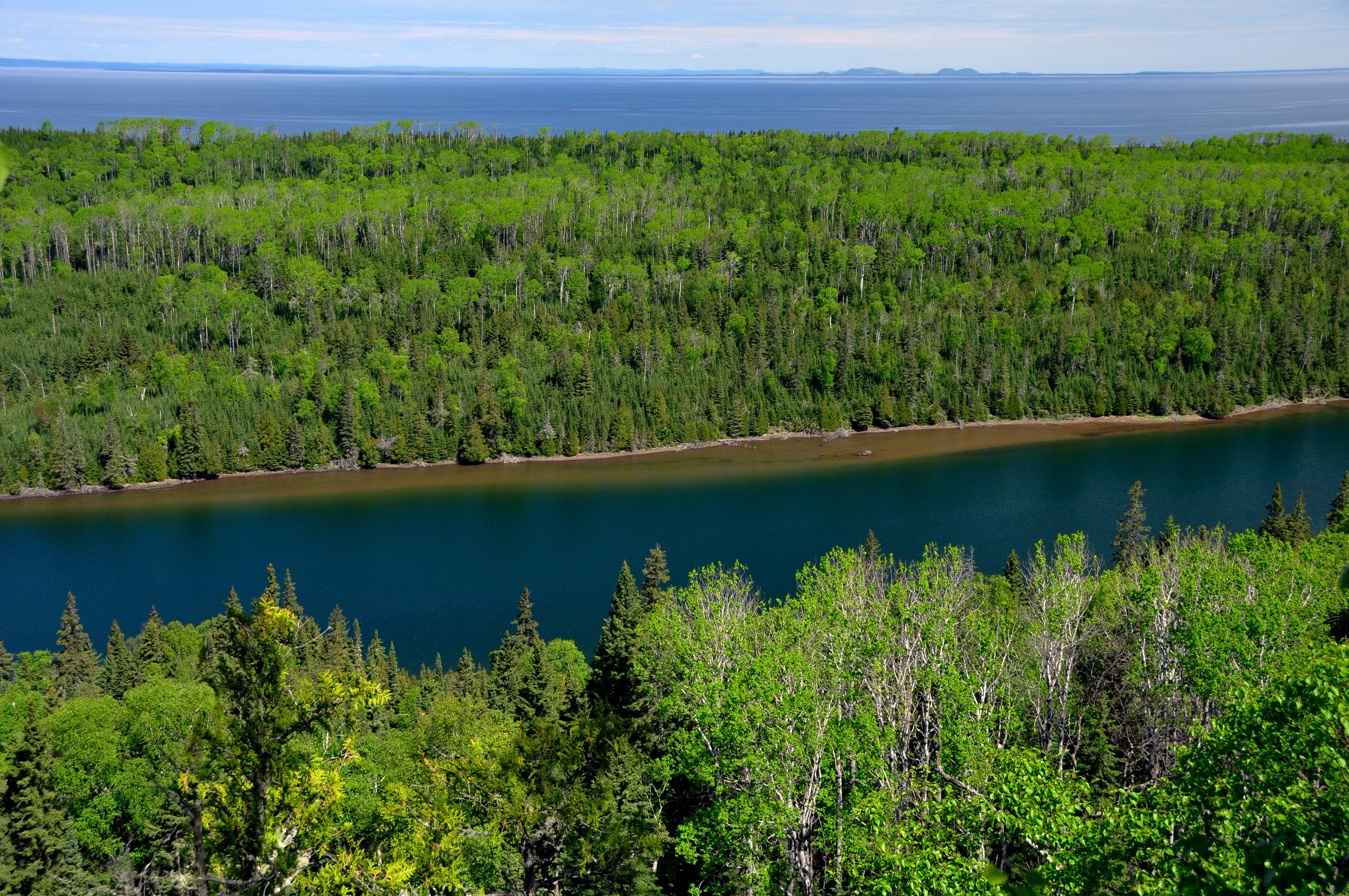
The standout among national parks in Michigan is Isle Royale National Park, a rugged, roadless island wilderness in the cold waters of Lake Superior that ranks among the least-visited yet most-loved parks in the country. Michigan has just one national park, but it is unlike any other: reachable only by boat or seaplane, closed for winter, and famous for its wolves, moose, and quiet backcountry. Few places in the eastern United States feel this far removed from everyday life. This guide explains how to reach Isle Royale, what to do there, and which nearby parks round out a Great Lakes trip.
How many national parks are in Michigan?
Michigan has one national park, Isle Royale, along with national lakeshores like Pictured Rocks and Sleeping Bear Dunes that are also worth a visit. Isle Royale sits far out in Lake Superior, closer to Minnesota and Ontario than to most of Michigan, and its isolation is a big part of its appeal. Begin with our Michigan national parks guide and the Isle Royale National Park page before planning a trip.
How do you get to Isle Royale National Park?
There are no roads or bridges to Isle Royale. Visitors arrive by ferry from Houghton or Copper Harbor in Michigan, or from Grand Portage in Minnesota, and some fly in by seaplane. The park is open only from mid-spring through fall and closes entirely in winter. Crossings can be long and subject to Lake Superior weather, so build flexibility into your schedule and check the current-year rules for ferry reservations and fees before committing to dates.
What is there to do on Isle Royale?
Backpacking and day hiking top the list, with more than 165 miles of trails winding past inland lakes, ridgelines, and rocky shorelines. Paddlers explore sheltered coves by kayak or canoe, and anglers fish for lake trout and pike. The island is the site of one of the longest-running predator-prey studies in the world, tracking its wolves and moose for decades. Wildlife sightings, deep solitude, and dark night skies are the rewards for making the journey out here.
When is the best time to visit Isle Royale?
The park's short season runs roughly from late April to late October, with peak conditions in July and August when the weather is warmest and ferries run most often. Early summer brings wildflowers and fewer bugs before the July mosquito peak, while September offers crisp air and quiet trails. Because the season is brief and demand is high, reserve ferries and lodging as early as you possibly can.
What should you know before visiting Isle Royale?
Come prepared for a true wilderness. There is no cell service across most of the island, limited supplies, and changeable Lake Superior weather even in summer, so pack layers, rain gear, and more food than you think you will need. Leave-no-trace practices are essential, and rangers ask visitors not to disturb the wolves and moose that make the park a living laboratory. A little preparation goes a long way toward a safe and memorable trip.
What other parks pair well with a Michigan trip?
If you are driving through the region, Indiana Dunes National Park on Lake Michigan and Cuyahoga Valley National Park in Ohio both make rewarding additions to a Great Lakes itinerary. They are far easier to reach than Isle Royale and add variety with beaches, dunes, and waterfalls. Compare Indiana Dunes National Park and Cuyahoga Valley National Park to fill out your route.
FAQ
How many national parks does Michigan have?
Michigan has one national park, Isle Royale, plus several national lakeshores. Check the current-year rules for ferry schedules, permits, and fees before you go.
Is Isle Royale hard to visit?
It takes planning. Isle Royale is reachable only by boat or seaplane and is open seasonally, so most trips require advance reservations. The effort rewards visitors with true wilderness and remarkable solitude.
Do you need a permit for Isle Royale?
Overnight visitors need a backcountry permit, and all visitors pay a park use fee. Requirements change, so confirm the current-year rules before booking your trip.