
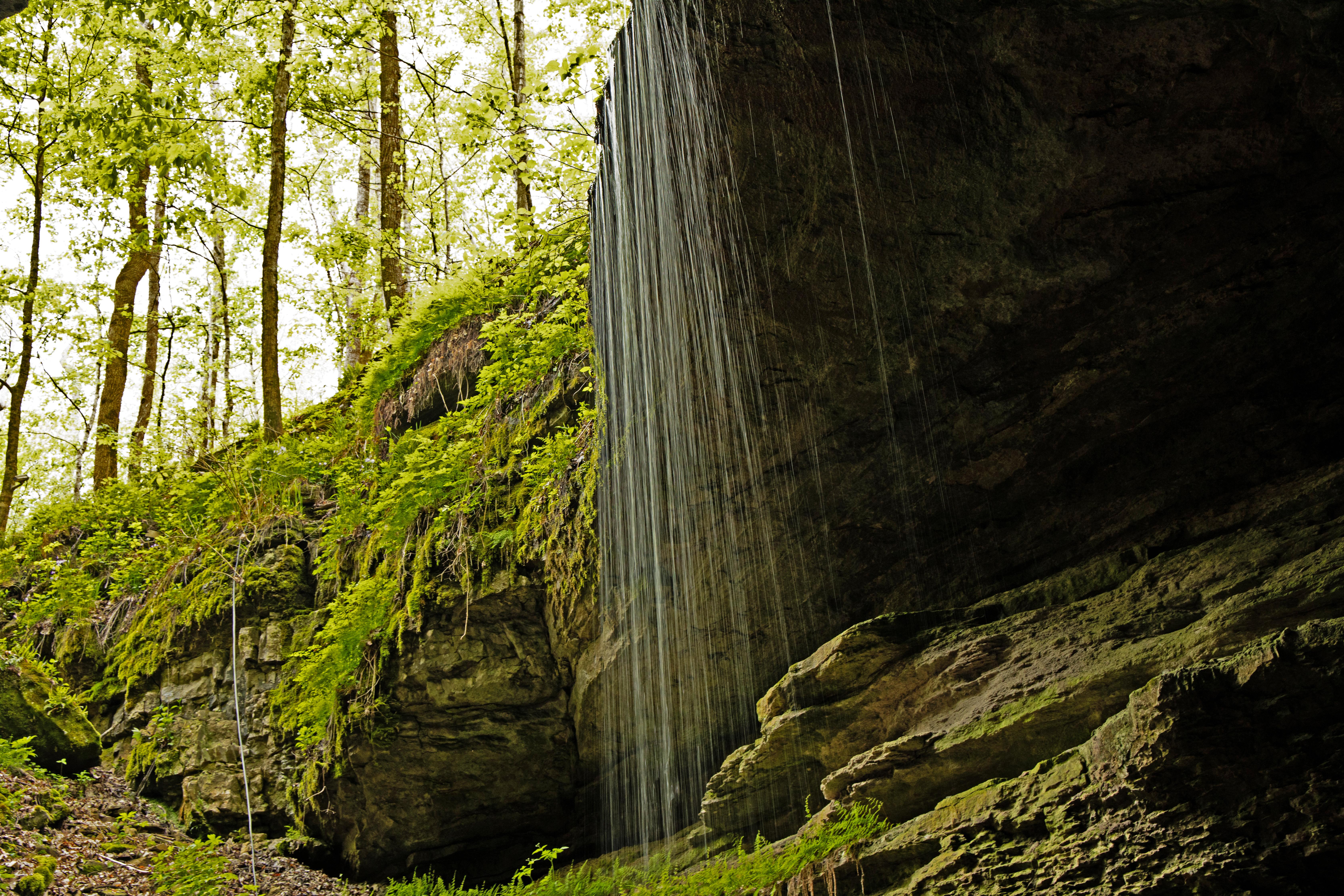
National parks in Kentucky are headlined by Mammoth Cave National Park, home to the longest known cave system on Earth, with more than 425 mapped miles of passages winding beneath the rolling hills of south-central Kentucky. Above ground, the park protects forested ridges, sinkholes, and the Green River, making it a rare destination where the main attraction lies almost entirely underground.
What national parks can you visit in Kentucky?
Mammoth Cave is the state’s only full national park, but the National Park Service protects several other notable sites across Kentucky. Cumberland Gap National Historical Park straddles the border with Tennessee and Virginia at a historic mountain pass, while Abraham Lincoln Birthplace National Historical Park preserves the site where the 16th president was born. Together they make it easy to combine geology and American history on a single road trip. Start planning with our Mammoth Cave National Park guide.
What are the best cave tours at Mammoth Cave?
Nearly all of Mammoth Cave is seen on ranger-guided tours, and choosing the right one is the key to a good visit. The Historic Tour walks you past saltpeter mining relics and iconic passages like Fat Man’s Misery, while the Frozen Niagara Tour highlights dripstone formations on a shorter, easier route. More strenuous options such as the Grand Avenue Tour cover miles of underground terrain. Tours sell out in summer, so reserve tickets in advance and check the current-year schedule before you arrive.
What is there to do above ground?
The surface world at Mammoth Cave is worth a full day of its own. Paddle or fish the Green and Nolin rivers, hike or bike more than 80 miles of forested trails, and watch for deer, wild turkey, and songbirds along the way. Backcountry campsites and a developed campground let you stay close to the action, and the night skies here are impressively dark. Bring a light jacket even in summer, since the cave holds a steady chill of around 54°F year-round.
When is the best time to visit Kentucky’s national parks?
Spring and fall offer the most comfortable weather for combining cave tours with surface hiking, and autumn adds brilliant foliage across the hardwood forests. Summer is the busiest season, with the widest tour selection but the largest crowds and highest humidity above ground. Winter is quiet and cool, though some tours run on a reduced schedule. Whenever you go, book cave tours early and check current-year conditions. To extend the trip, browse our Kentucky travel guide and consider pairing it with nearby Great Smoky Mountains National Park to the southeast.
How many days do you need at Mammoth Cave?
One full day is enough to take a cave tour and enjoy a surface hike, but two days lets you experience both a longer underground route and time on the river. If you are folding in Cumberland Gap or the Lincoln birthplace, plan a three- or four-day loop through central and eastern Kentucky. Reserve lodging in nearby Cave City or Bowling Green, and always confirm tour availability before you commit to a schedule.
FAQ
Do you need a reservation for Mammoth Cave tours?
Yes, most cave tours are ticketed and frequently sell out in peak season, so reserving ahead is strongly recommended. Check the current-year booking system before your visit.
How cold is it inside Mammoth Cave?
The cave stays around 54°F year-round, so bring a light jacket and closed-toe shoes regardless of the surface temperature.
Is Mammoth Cave the only national park in Kentucky?
It is the only full national park, but Kentucky also has Cumberland Gap and Abraham Lincoln Birthplace national historical parks. Confirm current-year hours for each.