
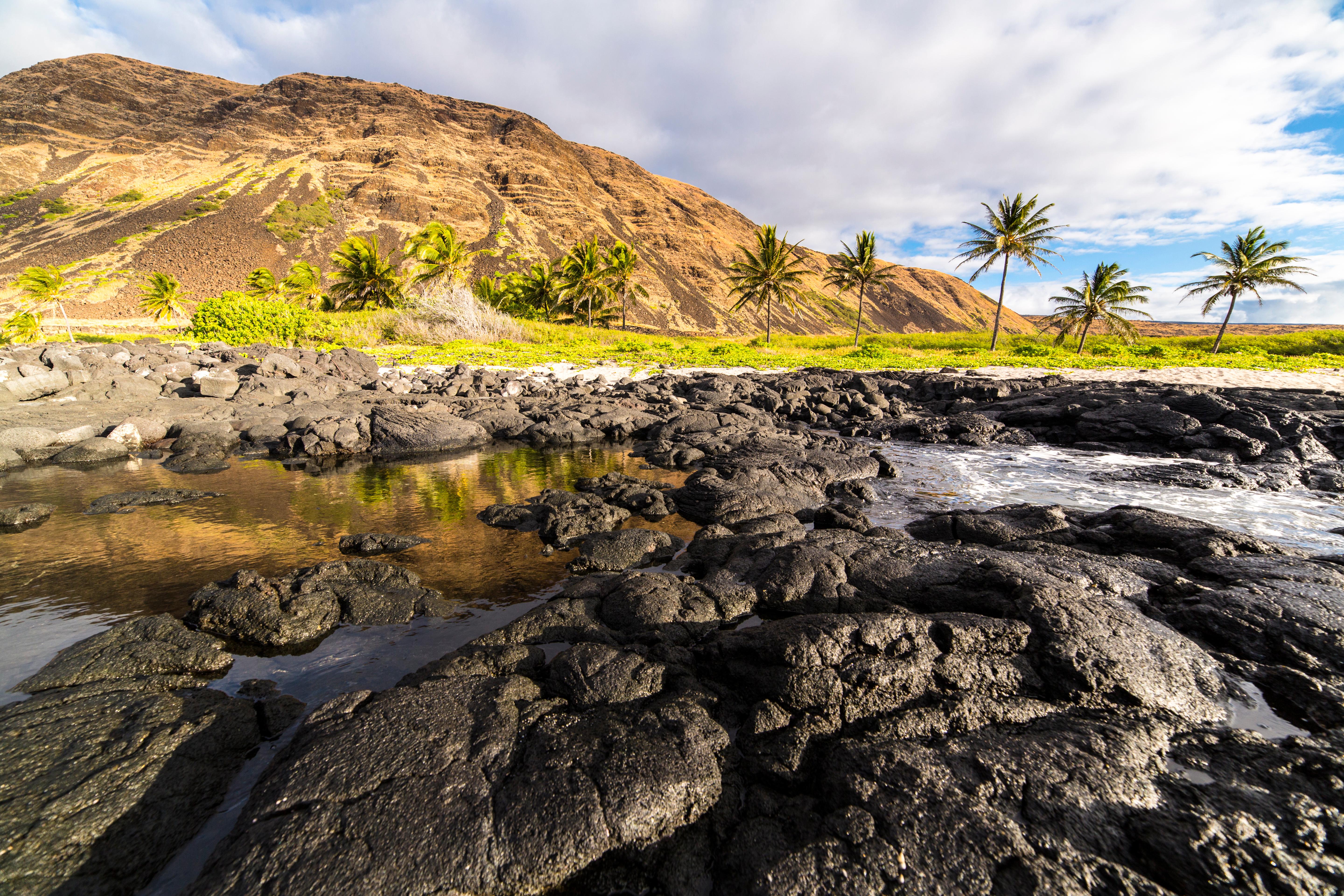
National parks in Hawaii offer some of the most otherworldly scenery in the entire park system, from rivers of glowing lava to a volcanic summit that rises above the clouds. Two national parks anchor the islands: Hawaii Volcanoes National Park on the Big Island and Haleakala National Park on Maui, each protecting active or dormant volcanoes and the rare plants and creatures that evolved around them in isolation.
What national parks can you visit in Hawaii?
The state’s two national parks are the headline acts, but the islands also hold historical parks that tell the story of Hawaiian and American history, including Puuhonua o Honaunau and Kalaupapa. Most visitors, however, come for the volcanoes. Begin your planning with our guides to Hawaii Volcanoes National Park and Haleakala National Park, then browse the wider Hawaii travel overview to fit the parks into an island-hopping trip.
What can you see at Hawaii Volcanoes National Park?
On the Big Island, Hawaii Volcanoes protects Kilauea, one of the most active volcanoes on Earth, along with the massive shield of Mauna Loa. Drive Crater Rim Drive to overlooks above the Kilauea caldera, walk through the eerie Thurston Lava Tube, and hike across the hardened floor of Kilauea Iki, a crater that was a bubbling lava lake in 1959. When an eruption is underway, the nighttime glow is unforgettable, though activity changes constantly, so check current-year eruption updates and safety closures before you go.
Is the Haleakala sunrise worth it?
On Maui, Haleakala rises more than 10,000 feet, and watching sunrise from its summit above a sea of clouds is a bucket-list experience for many travelers. A sunrise reservation is required to enter the summit area before mid-morning, so book ahead and dress far warmer than you would expect for a tropical island, as temperatures near freezing at dawn. The park’s cinder-cone crater and the lush Kipahulu coastal district, with its waterfalls and bamboo forest, showcase Maui’s astonishing range in a single park.
When is the best time to visit Hawaii’s national parks?
Hawaii is a year-round destination, but the drier months from roughly April through October bring the most reliable weather for hiking and summit views. Winter is wetter and can be windy at elevation, though it is also whale-watching season along the coasts. Volcanic activity and trail closures can happen any time, so flexibility helps. Always carry layers, water, and sun protection, since conditions shift dramatically between sea level and the high summits of both parks.
How do you get around between the parks?
Because the two parks sit on separate islands, a Hawaii national parks trip almost always involves an inter-island flight and a rental car on each island. On the Big Island, Hawaii Volcanoes is an easy drive from Hilo and a longer one from Kona, while Haleakala is a scenic but winding climb from central Maui. Fuel up before you head to the summits, download offline maps where signal is spotty, and allow extra time for the slow, switchbacking mountain roads.
How many days do you need for Hawaii’s parks?
Plan at least a full day for each park, and two if you want to hike deeper into Kilauea Iki or explore Haleakala’s crater and coastal Kipahulu. Because the parks sit on different islands, most travelers pair them with island time and inter-island flights, building a week-long itinerary that mixes volcanoes, beaches, and culture. Reserve summit and lodging permits early, and confirm current-year access rules before you lock in your plans.
FAQ
Do I need a reservation for Haleakala sunrise?
Yes. A separate sunrise reservation is required to enter the Haleakala summit area before mid-morning, in addition to park entry. Check the current-year system before booking travel.
Can you see lava in Hawaii Volcanoes National Park?
Sometimes. Kilauea erupts intermittently, and visible lava depends on current activity. Check the park’s current-year eruption status and safety closures before visiting.
Are Hawaii’s national parks on the same island?
No. Hawaii Volcanoes is on the Big Island and Haleakala is on Maui, so visiting both requires an inter-island flight.