
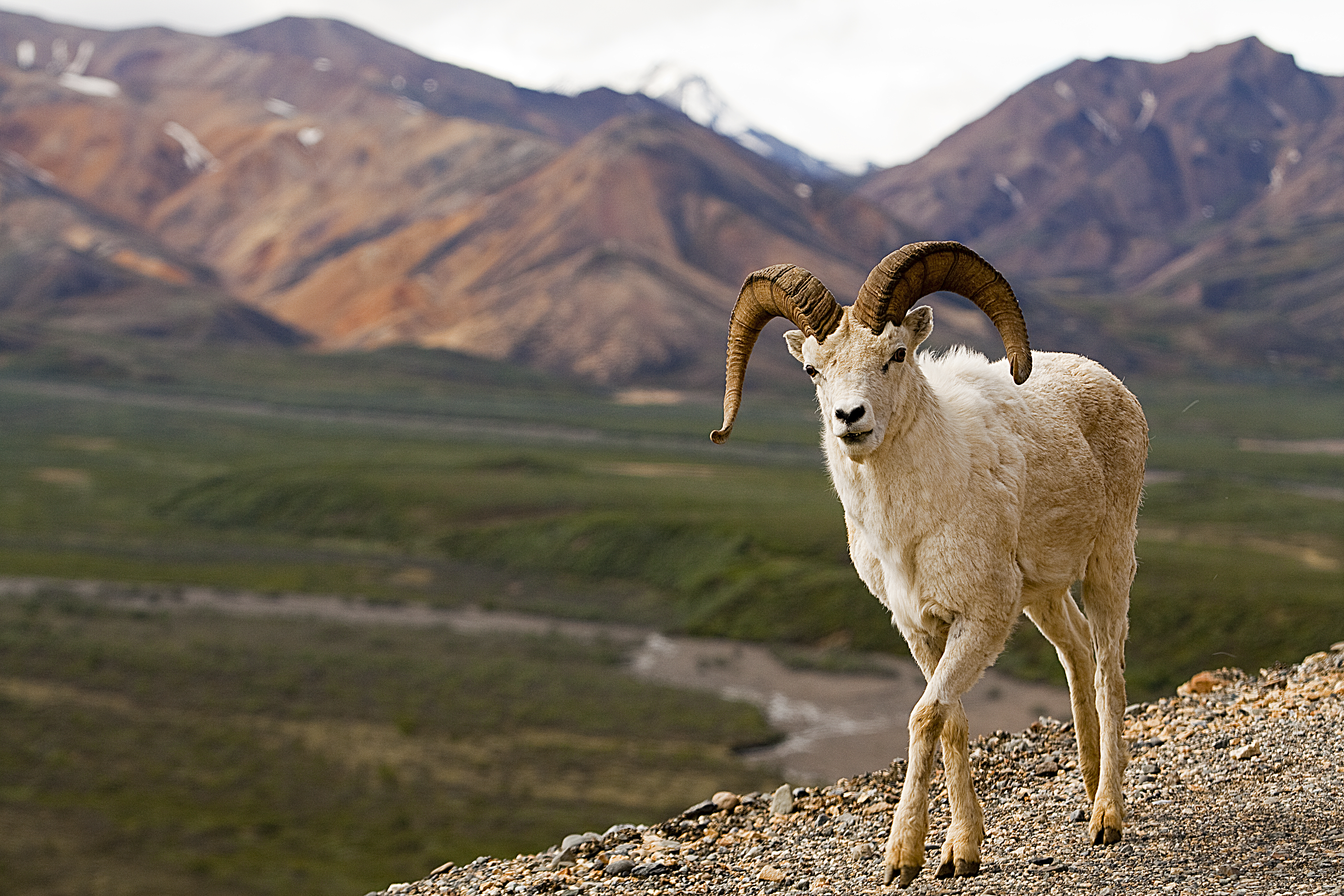
The national parks in Alaska protect some of the wildest, most remote landscapes in the United States, from the continent's tallest peak to tidewater glaciers and Arctic tundra. Alaska is home to more national park acreage than any other state, and a visit here feels like stepping into a frontier where wildlife outnumbers people. This guide covers how many parks there are, which to visit first, how to reach them, and how to time your trip for the best experience.
How many national parks are in Alaska?
Alaska has eight national parks: Denali, Gates of the Arctic, Glacier Bay, Katmai, Kenai Fjords, Kobuk Valley, Lake Clark, and Wrangell-St. Elias. Wrangell-St. Elias is the largest national park in the entire country, bigger than several U.S. states combined. Most of these parks are vast, roadless wildernesses, so exploring them is very different from visiting a park in the lower 48. Begin your planning on our Denali National Park and Preserve page.
Which Alaska national parks should you visit first?
Denali is the most accessible and popular, offering a single park road, shuttle buses, and a real chance to see grizzlies, moose, caribou, and North America's highest peak. Kenai Fjords, reachable from Seward, is famous for boat tours past calving tidewater glaciers and marine wildlife. Glacier Bay is a cruise and boat destination of towering ice, while Katmai draws visitors to watch brown bears catch salmon at Brooks Falls. Explore coastal options on our Kenai Fjords National Park page.
How do you get to Alaska's national parks?
Access varies enormously. Denali and Wrangell-St. Elias are reachable by road from Anchorage or Fairbanks, and Kenai Fjords is a short drive plus a boat tour from Seward. But Gates of the Arctic, Kobuk Valley, Lake Clark, Katmai, and Glacier Bay have no road access at all and are reached only by small plane or boat. Booking flights, tours, and lodging far in advance is essential, since capacity is limited and the season is short.
When is the best time to visit Alaska's parks?
The prime window is mid-June through early September, when roads and services are open, days are long, and wildlife is active. July and August are warmest and best for bear viewing at Katmai. Shoulder weeks in June and September bring fewer crowds and, in early fall, brilliant tundra color. Winter access is extremely limited. Because road and shuttle schedules change annually, confirm the current-year details before you travel.
What wildlife will you see?
Alaska's parks are among the best wildlife destinations on the planet. Expect grizzly and black bears, moose, caribou, Dall sheep, and wolves inland, plus whales, sea otters, seals, sea lions, and puffins along the coasts. Katmai is world-famous for its brown bears, and Denali's tundra offers open sightlines for spotting large mammals. Always keep a safe distance and carry bear spray in the backcountry.
Tips for visiting Alaska's national parks
Build flexibility into your itinerary, since weather frequently delays flights and boat tours. Pack rain gear and warm layers even in summer, bring bug protection for mosquitoes, and reserve everything early. Consider basing in gateway towns like Seward, Talkeetna, or Anchorage. For a broader trip, our Alaska guide ties the regions together.
FAQ
What is the most visited national park in Alaska?
Denali is the most visited and most accessible, thanks to its road corridor, shuttle system, and iconic views of the tallest peak in North America.
Can you drive to Alaska's national parks?
Only a few, including Denali, Wrangell-St. Elias, and the Kenai Fjords gateway of Seward, have road access. Most Alaskan parks are reached only by plane or boat.
When can you see bears in Alaska's parks?
Katmai's famous bear viewing peaks in July and again in September during the salmon runs. Confirm the current-year viewing platform schedules before planning your visit.