
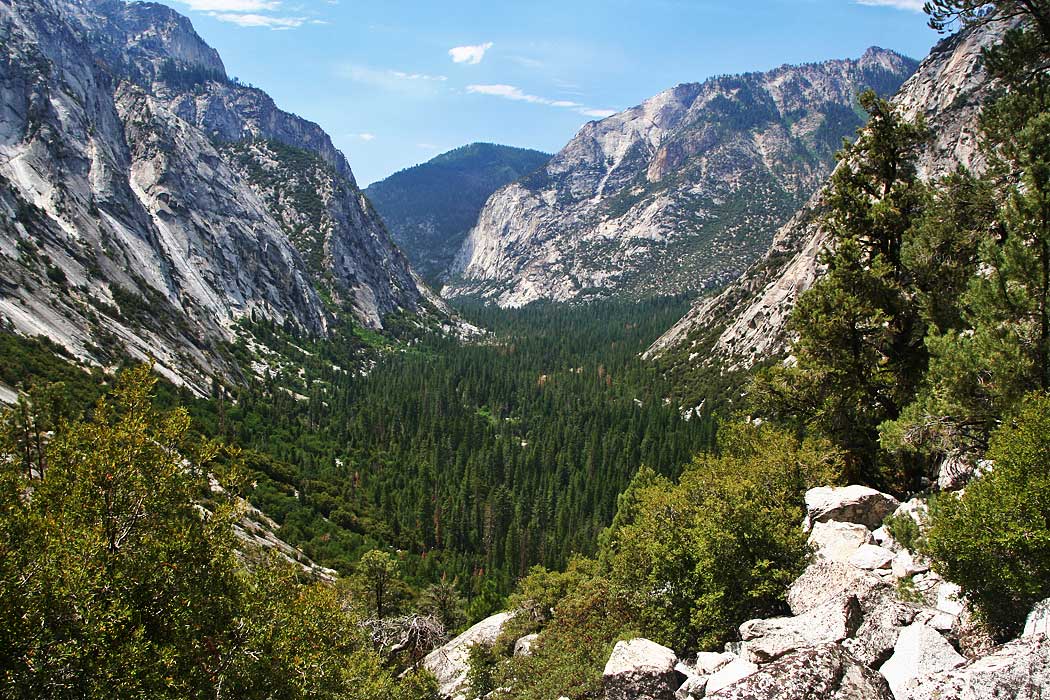
Choosing between Kings Canyon vs Sequoia is easier than it looks, because these two California parks are managed together and sit side by side in the southern Sierra Nevada. Both protect groves of giant sequoias, high granite country, and rushing rivers, but they lean in different directions: Sequoia is famous for its enormous trees and iconic landmarks, while Kings Canyon delivers one of the deepest canyons in North America and a wilder, quieter feel that rewards travelers willing to venture farther.
What is the main difference between the parks?
Sequoia National Park centers on the Giant Forest, home to the General Sherman Tree, the largest tree on Earth by volume, plus granite icons like Moro Rock. Kings Canyon National Park splits into two areas: the compact Grant Grove near the entrance and the dramatic Cedar Grove deep in the glacially carved canyon, reached by a stunning seasonal drive along the Kings River. In short, Sequoia is about superlative trees and viewpoints, while Kings Canyon is about depth, solitude, and backcountry access. Read the full Sequoia and Kings Canyon guide for the complete picture.
Which park has better hiking?
Both parks are hikers’ favorites. In Sequoia, the Giant Forest trails, the climb up Moro Rock, and the walk to Tokopah Falls pack a lot into a short visit. Kings Canyon rewards those willing to drive deeper, with the Zumwalt Meadow loop, Mist Falls, and gateways to the Rae Lakes Loop and the John Muir Trail. If you want easy access to giant trees, choose Sequoia; if you crave big canyon walls and remote wilderness trailheads, Kings Canyon wins hands down.
Which park is less crowded?
Sequoia’s famous landmarks draw the bigger crowds, especially around the Giant Forest and General Sherman in summer. Kings Canyon, particularly the Cedar Grove area, tends to feel calmer and more remote, partly because the scenic canyon road is only open seasonally. Travelers seeking quiet should lean toward Kings Canyon, while those prioritizing the marquee sights should accept Sequoia’s busier trails and plan for early morning starts to beat the traffic.
Can you visit both parks in one trip?
Absolutely, and most people do. The two parks share an entrance and are connected by the Generals Highway, so you can see the General Sherman Tree and Grant Grove in the same day and add the Kings Canyon drive if the road is open. A two- to three-day trip lets you sample both without rushing. For a longer Sierra itinerary, pair them with Yosemite National Park to the north and browse more options in our California national parks guide.
How much time and money should you budget?
A single vehicle entrance fee covers both parks for seven days, and the America the Beautiful annual pass is a smart buy for anyone visiting several parks a year. Budget at least two days to enjoy both parks comfortably, with a night in or near Grant Grove or Three Rivers. Gas up before you enter, since services inside are limited, and check current-year fee and reservation details before you arrive.
When is the best time to visit?
Late spring through early fall is ideal, when the Giant Forest is snow-free and the Cedar Grove road into Kings Canyon is open, typically from around late April into November. Summer brings the fullest access but the largest crowds, while winter turns the sequoia groves into a snowy wonderland with chain requirements and limited services. Always check current-year road status and reservation rules before you go, as mountain conditions change quickly.
FAQ
Are Sequoia and Kings Canyon the same park?
They are two separate national parks managed jointly, sharing staff, an entrance, and the Generals Highway, which is why they are almost always visited together.
Which park has the biggest trees?
Sequoia holds the General Sherman Tree, the largest by volume, but both parks protect impressive giant sequoia groves, including the General Grant Tree in Kings Canyon.
Is the Kings Canyon scenic drive always open?
No. The road down to Cedar Grove is seasonal and usually closed in winter and early spring. Check the current-year opening dates before planning your route.