
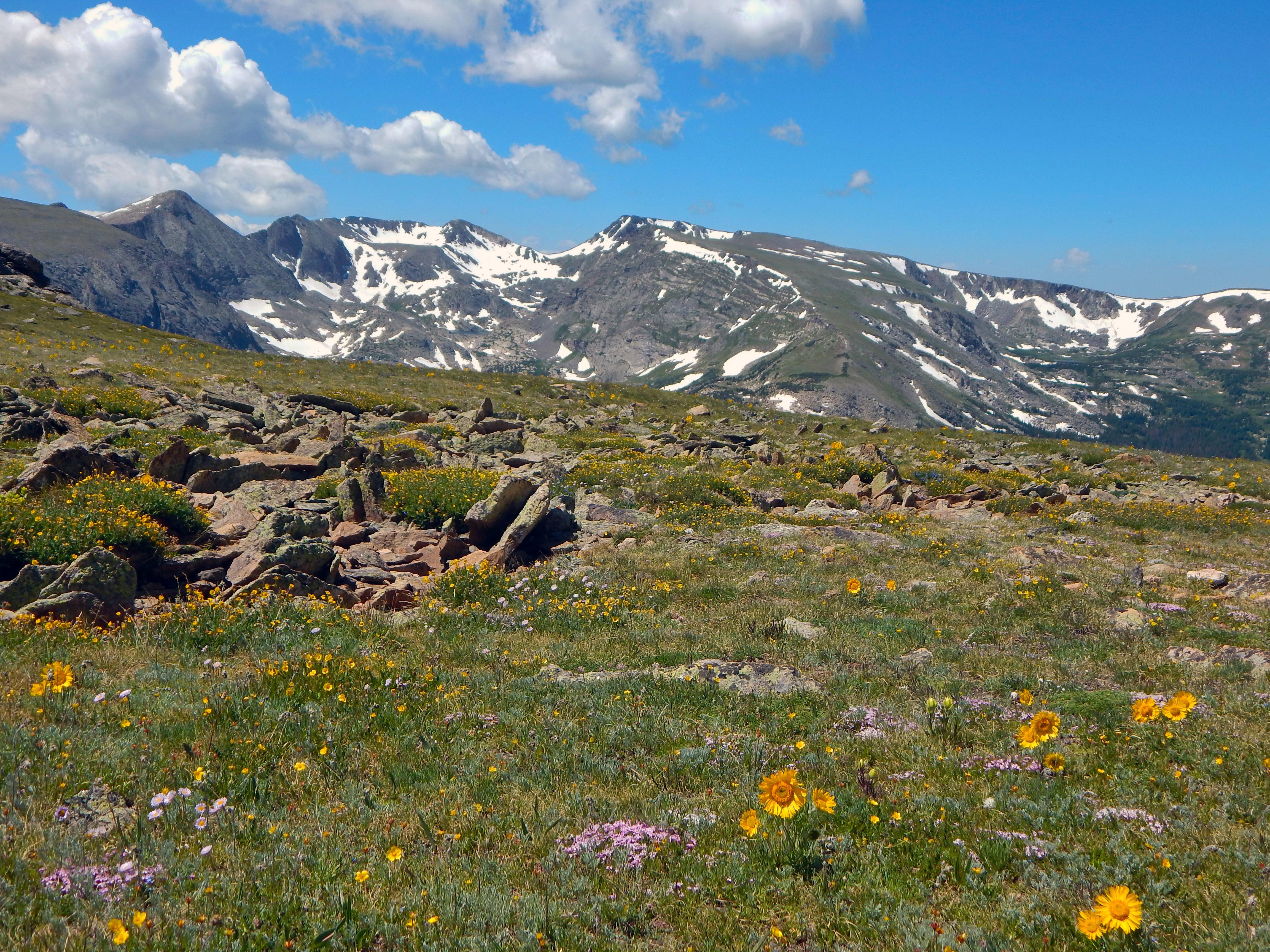
Preparing for a fall national park trip comes down to one thing the summer version never asks of you: knowing what has already shut. Autumn is the best-value season in the parks — thin crowds, cool hiking temperatures, active wildlife, and cheaper lodging — but from mid-September onward the parks quietly begin dismantling their summer selves. Alpine roads gate closed, shuttles stop running, campground water gets shut off so pipes do not freeze, and visitor centers drop to weekend-only hours.
None of that ruins a trip. It ruins an unplanned trip. Here is what actually changes, and what to do about it.
What changes in the national parks after Labor Day?
Labor Day is the hinge. Within about two weeks of it, most parks move to shoulder-season operations:
Staffing drops sharply. Seasonal rangers leave, so guided walks, evening programs, and some entrance booths wind down.
Hours contract. Visitor centers that ran 8am–7pm in July may run 9am–4:30pm, then weekends only by November.
Water goes off. Many campgrounds and trailheads shut off potable water well before the first hard freeze. Assume you are carrying your own.
Reservation systems end. Timed entry and vehicle reservation requirements typically lapse in fall — which is good news, but it also means the crowd-smoothing they provided is gone on peak foliage weekends.
Services close before the park does. The park may be open; the only gas station, restaurant, or lodge inside it may not be.
The single most useful thing you can do is check the operating-hours and seasonal-closures page for your specific park within a week of departure, and confirm the current-year rules rather than trusting last year's dates.
Which roads, shuttles, and lodges close in fall?
High-elevation roads are the ones that end trips. A few to know:
Trail Ridge Road in Rocky Mountain National Park tops out above 12,000 feet and closes for the season once snow sticks — typically sometime in October, occasionally earlier. It can also close temporarily for a storm in September and reopen days later.
Going-to-the-Sun Road in Glacier National Park loses its alpine section in mid-fall, which cuts the park effectively in two and turns a 50-mile drive into a multi-hour detour around the range.
Shuttle systems wind down on their own schedules. Where a shuttle is the only way to reach a popular trailhead, its last day of service is effectively that trailhead's last easy day.
In-park lodges often close weeks before the roads do, especially in Glacier, Yellowstone, and the higher western parks.
Build one flexible day into any fall itinerary that depends on a mountain pass. If it closes, you want a plan B at lower elevation rather than a cancelled trip. Check current-year closure dates on the park's website before you book anything non-refundable.
What should you pack for a fall park trip?
Pack for two seasons in the same day. A 35°F swing between dawn and mid-afternoon is routine in high-elevation parks in October.
Three layers, always: a moisture-wicking base, an insulating mid-layer (fleece or light puffy), and a wind- and rain-proof shell. Cotton is the thing to leave home.
A headlamp. This is the item people most often regret skipping. You lose roughly two hours of daylight between early September and late October, and afternoon hikes start finishing in the dark.
More water than the trail suggests, since fill stations may be off.
Traction and warmth in reserve: microspikes, a warm hat, and gloves take almost no space and turn an icy shaded switchback from a turnaround into a non-event.
Sun protection anyway. Cool air hides real UV exposure at altitude.
If you are heading somewhere with a hard winter — Glacier, Yellowstone, Rocky Mountain — also carry a blanket, extra food, and a full tank of gas in the car. Fall storms arrive fast and cell service in the parks is unreliable.
How does fall weather actually behave in the parks?
Less predictably than summer, and the averages mislead. A park with an October average high of 60°F can deliver a 75°F afternoon and a 20°F sunrise in the same week, plus the season's first snowfall somewhere in between.
Elevation matters more than the calendar. In Great Smoky Mountains National Park, the high country can be six weeks ahead of the valley floor in both color and cold. Coastal parks like Acadia stay milder longer but trade that for wind and fog. Desert parks run the opposite direction entirely — fall is when they become comfortable, and October in southern Utah or Arizona is close to ideal hiking weather.
Check a mountain forecast keyed to elevation, not the nearest town's forecast, which can be thousands of feet lower and ten degrees warmer.
What wildlife and scenery peak in fall?
Autumn is the best wildlife season in much of the system. The elk rut runs roughly September into mid-October, and bull elk bugling at dawn in Rocky Mountain National Park is one of the genuinely great sounds in the parks. Bears in Yellowstone and elsewhere enter hyperphagia, feeding hard before winter, which makes them more visible and makes proper food storage more important, not less.
Give rutting elk and moose far more room than you would in summer — they are aggressive and unpredictable in fall, and most autumn wildlife incidents involve someone approaching for a photo. Stay in your vehicle where that is the guidance, and use a zoom lens rather than closing distance.
For where to point the trip, see our guide to the best national parks for fall foliage, browse the full park directory, or plan by location with our parks by state guides and the Colorado and Montana pages.
FAQ
Is fall a good time to visit national parks?
Yes, and for many parks it is the best time. Crowds thin sharply after Labor Day, temperatures become comfortable for hiking, wildlife is active, and lodging rates drop. The trade-off is reduced services and the risk of early closures at elevation.
What should I pack for a national park trip in fall?
Three layers — wicking base, insulating mid-layer, waterproof shell — plus a headlamp, hat, gloves, extra water, and microspikes if you will be above treeline. Skip cotton, and keep emergency warmth and food in the car.
Do national parks close in the fall?
Parks themselves rarely close, but roads, shuttles, campgrounds, lodges, and visitor centers within them do, on a rolling schedule from mid-September onward. Alpine roads are the most common casualty. Always check the current-year closure dates before booking.
Do I still need a timed entry reservation in fall?
Usually not, since most timed entry and vehicle reservation programs end in fall — but the exact end dates move year to year and a few systems run later than people expect. Confirm the current-year rules for your park rather than assuming the requirement has lapsed.
When is peak fall color in the national parks?
It moves with latitude and elevation rather than a fixed date. High country and northern parks generally turn from mid-September, while lower elevations and southern parks can hold color into early November. Within a single park, expect several weeks between the summit and the valley.