
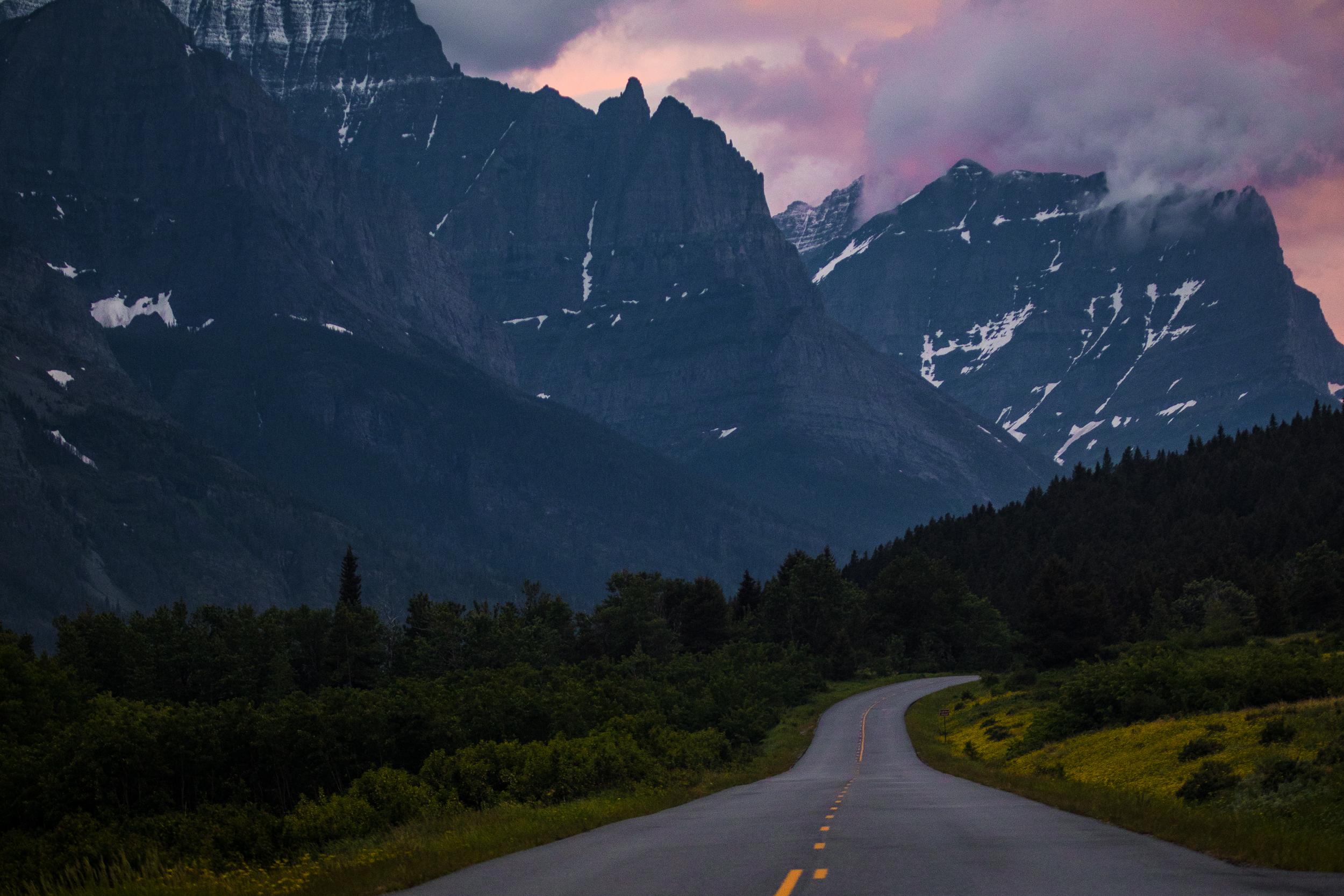
The Grinnell Glacier Trail is the most rewarding day hike in Glacier National Park, climbing past turquoise lakes to a shrinking alpine glacier ringed by cliffs and often dotted with icebergs. This guide breaks down the distance and elevation, the popular boat shortcut, bear safety, and exactly when to go so you can plan a smooth day in the Glacier National Park high country.
How long is the Grinnell Glacier Trail?
From the Grinnell Glacier trailhead near the Many Glacier Hotel, the full hike is roughly 11 miles round trip with about 1,600 feet of elevation gain. Taking the boat shortcut across Swiftcurrent Lake and Lake Josephine trims it to about 7.6 miles round trip. Most hikers spend six to eight hours on the full route, including time at the overlook.
Should you take the boat shortcut?
Two connected tour boats cross Swiftcurrent Lake and Lake Josephine and cut roughly 3.4 miles of flat walking off the round trip. The boats save time and legs but sell out early in summer, and schedules shift with the season, so reserve ahead and check the current-year timetable. If you prefer a longer walk or miss the boat, the lakeshore trail is gentle and scenic on its own.
How hard is the hike?
The trail is rated strenuous mainly for its sustained climb and length rather than technical difficulty. The path is well graded but narrow in spots, with steep drop-offs and a refreshing waterfall crossing near the top. Carry at least two liters of water, sun protection, and layers, because weather high in Montana's mountains changes fast even in July.
Will you see bears?
Many Glacier is prime grizzly and black bear habitat, and bear sightings along this trail are common. Carry accessible bear spray, hike in a group, make noise around blind corners, and never approach wildlife. Rangers sometimes close the trail temporarily for bear activity, so check the current status at the ranger station before you set out.
When is the best time to hike to Grinnell Glacier?
The upper trail is usually snow-free and fully open from mid-July through mid-September, and that window also lines up with peak boat service. Early season hikers may hit snowfields near the overlook, while September brings golden larch and thinner crowds. Going at sunrise beats both the heat and the parking crush at the Many Glacier trailhead.
How does it fit a bigger park trip?
Grinnell pairs well with the Highline Trail and the Going-to-the-Sun Road on a longer Glacier itinerary, and it slots neatly into a northern Rockies road trip that also takes in Yellowstone and Grand Teton a day's drive south. For more routes and planning tools, start with our national parks guide.
What should you pack for Grinnell Glacier?
Pack more than you think you need for an alpine day. Bring two to three liters of water, high-energy snacks, a warm layer and rain shell, sunscreen, a hat, and sturdy broken-in hiking shoes with good tread for the rocky upper switchbacks. Trekking poles help on the descent, and an accessible can of bear spray on your hip belt is essential, not optional. A small first-aid kit and a downloaded offline map round out a sensible Many Glacier day pack, since cell service is unreliable throughout the valley.
FAQ
How long does the Grinnell Glacier hike take?
Most hikers finish the full 11-mile route in six to eight hours, or about five to six hours if they take the boat shortcut. Build in extra time for photos and the overlook.
Do you need a reservation to hike Grinnell Glacier?
The trail itself needs no permit, but Glacier uses a vehicle reservation system for some entrances and the boat tour sells out, so check the current-year entry and boat rules before you go.
Is the Grinnell Glacier Trail dangerous?
The main hazards are steep drop-offs, fast-changing weather, and bears. Stay back from edges, carry bear spray, and turn around if a storm builds over the peaks.
Can you see the glacier from the trail?
Yes. The trail ends at an overlook above Upper Grinnell Lake, where you can see the remaining glacier, icebergs on the lake, and the surrounding cirque walls.