
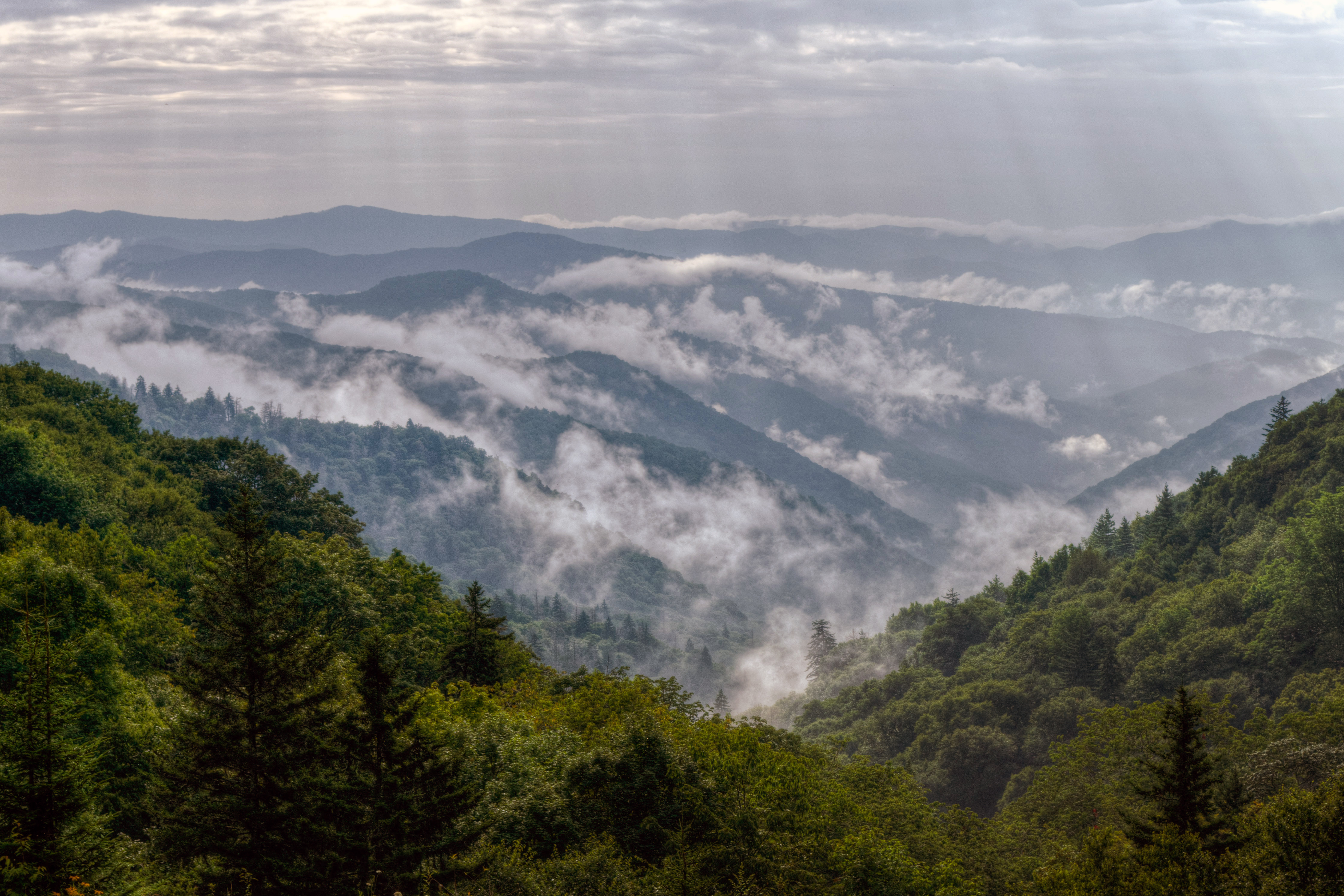
Yes, you need a Great Smoky Mountains parking tag to leave a vehicle anywhere in the park for more than 15 minutes, but you do not need one to drive through. That distinction confuses more first-time visitors than anything else about America's most-visited national park, and it is the single thing worth understanding before you arrive.
Why does a park with no entrance fee charge for parking?
Great Smoky Mountains National Park cannot charge an entrance fee. When Tennessee transferred Newfound Gap Road to the federal government in the 1950s, the deed included a restriction barring tolls or fees on that road. The result was a park absorbing record visitation with almost no visitor-generated revenue.
The parking tag program, launched in 2023 under the name Park It Forward, is the workaround. It is a fee for parking, not for entry, which keeps it inside the deed restriction. Revenue stays in the park and funds trail crews, restroom maintenance, and search-and-rescue capacity. Check the current-year rates and rules before you buy, since they are reviewed annually.
Who actually needs to buy one?
Anyone parking a motor vehicle inside park boundaries for longer than 15 minutes. That includes trailhead lots, picnic areas, campground day-use spaces, and the large lots at Newfound Gap and Clingmans Dome. It applies whether you are hiking for eight hours or eating a sandwich for twenty minutes.
You do not need a tag to drive Newfound Gap Road or the Foothills Parkway end to end. You do not need one to pull into an overlook, take photographs, and leave inside 15 minutes. Campers with a paid site reservation have parking covered at their own site, but a separate tag is required if they park elsewhere in the park.
Importantly, an America the Beautiful pass does not cover this. The interagency passes waive entrance fees, and this is not an entrance fee. See our America the Beautiful pass guide for what those passes do and do not include.
Where do you buy the tag?
Three routes work. Online through the park's permit portal is easiest and lets you print or save the tag before you leave home. Automated kiosks sit at major visitor centers and a handful of high-traffic lots. Staffed visitor centers at Sugarlands, Oconaluftee, and Cades Cove sell them in person during operating hours.
Tags come in daily, weekly, and annual durations. Daily and weekly tags are not tied to a license plate, so they transfer between vehicles in your group. Annual tags are registered to one specific plate. If you are visiting for four days, do the arithmetic: a weekly tag frequently costs less than four dailies.
How do you display it correctly?
The tag must be visible through the windshield, printed side up, on the dashboard. A tag sitting in your glovebox or displayed on a phone screen does not count. Rangers do check, and citations are issued. If you buy online, print it at your lodging or at a visitor center kiosk before you head to a trailhead.
Which stops stay free?
Plenty. The 15-minute window covers most roadside overlooks along Newfound Gap Road and the Blue Ridge Parkway approach. Cades Cove Loop Road can be driven without stopping. Gatlinburg and Cherokee sit outside park boundaries entirely. If your trip is a scenic drive rather than a hiking trip, you may never need a tag at all.
For the hikes that do require one, our guide to the best hikes in Great Smoky Mountains covers which trailheads fill earliest.
FAQ
Is the Great Smoky Mountains parking tag the same as an entrance fee?
No. The park charges no entrance fee and legally cannot. The tag is a parking fee that applies only when you leave a vehicle for more than 15 minutes.
Does my America the Beautiful or Senior Pass cover it?
No. Interagency passes cover entrance fees, and this is not one. You need a separate parking tag. Our Senior Pass guide explains what those passes do cover.
Do I need a tag for each vehicle?
Each parked vehicle needs its own tag. Daily and weekly tags can move between vehicles; annual tags are locked to one license plate.
What happens if I do not display one?
Rangers issue citations. Displaying the tag face-up on the dashboard is required, not optional.
Where else should I plan around permits?
Several parks now run reservation systems. Compare notes across all parks and browse by state, or start with the park page for Great Smoky Mountains National Park. Nearby, Tennessee and North Carolina both offer additional NPS sites within a short drive, and Shenandoah National Park makes a natural add-on up the Blue Ridge.