
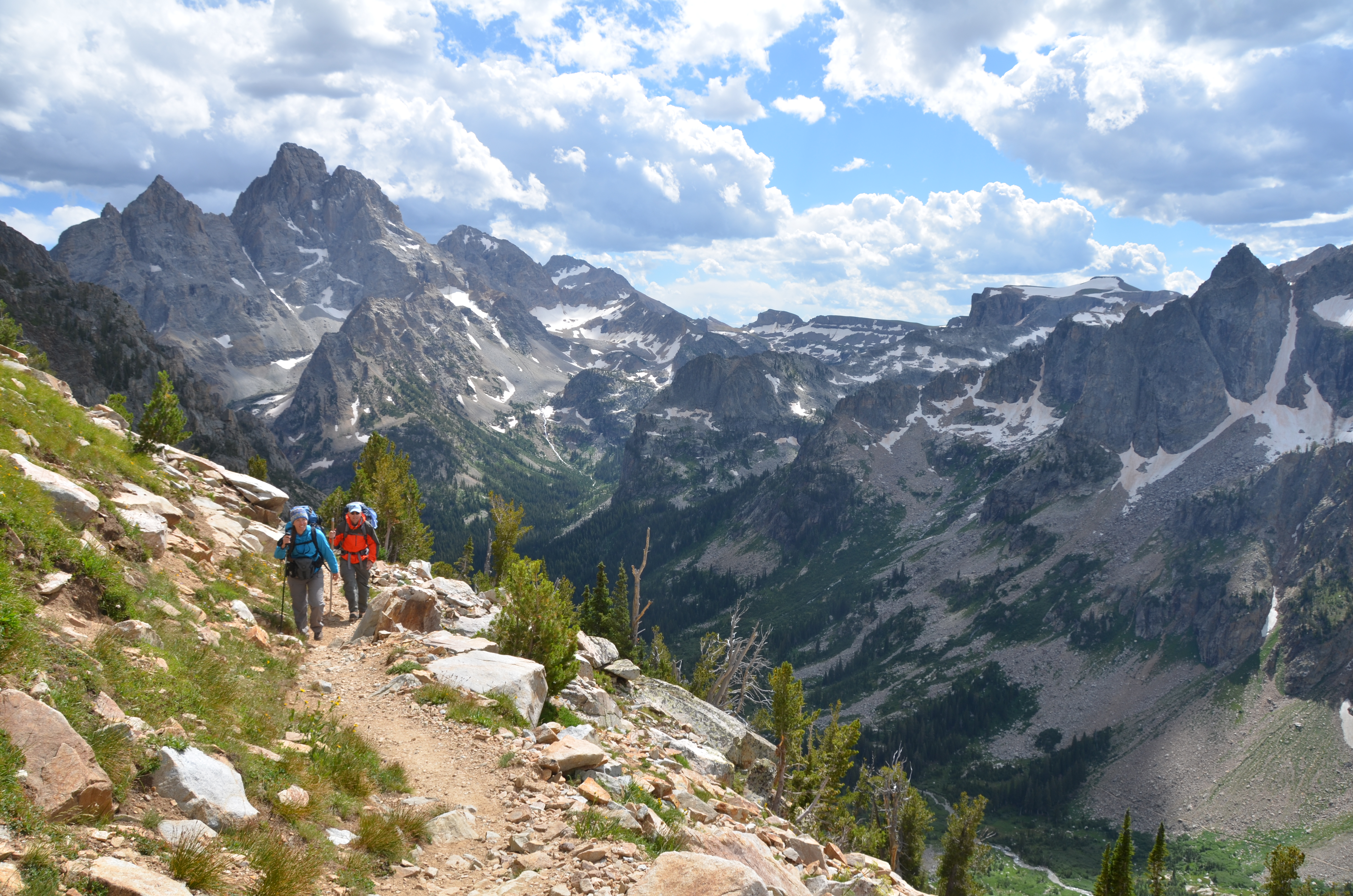
Grand Teton vs Rocky Mountain is a classic Rockies matchup, and the quick answer is that Grand Teton wins for jagged, photogenic peaks and water-based adventure while Rocky Mountain wins for high-alpine driving and easy access from a major city. Both deliver soaring mountains, abundant wildlife, and unforgettable scenery. This guide compares the two parks across the factors that matter most so you can choose the right one.
Grand Teton vs Rocky Mountain: what is the quick answer?
Choose Grand Teton for dramatic peaks rising straight from the valley floor, glacial lakes, and boating on the Snake River. Choose Rocky Mountain for Trail Ridge Road, the highest continuous paved road in any national park, plus quick access from Denver. Grand Teton feels wild and remote; Rocky Mountain is more accessible. Explore both in our Grand Teton National Park and Rocky Mountain National Park guides.
How do the landscapes compare?
Grand Teton is defined by the sheer Teton Range, which erupts more than a mile above the flat valley of Jackson Hole with no foothills to soften the view, mirrored in a string of glacial lakes. Rocky Mountain spreads across rolling tundra, alpine lakes, and dozens of peaks above 12,000 feet, with a gentler but higher and more expansive feel. One is vertical drama; the other is high, wide-open alpine country.
Which has better wildlife?
Both are excellent. Grand Teton offers moose along the Snake River, bison, pronghorn, and both grizzly and black bears. Rocky Mountain is famous for large elk herds, especially during the fall rut, plus bighorn sheep and moose in the Kawuneeche Valley. For a chance at grizzlies, Grand Teton has the edge; for guaranteed elk drama, Rocky Mountain delivers.
Which is better for hiking?
Grand Teton's trails, like Cascade Canyon and Jenny Lake, plunge you straight into high mountain scenery quickly. Rocky Mountain has a huge range of hikes, from easy lake loops such as Bear Lake to demanding summit climbs like Longs Peak. Rocky Mountain offers more variety and mileage, while Grand Teton offers a more concentrated dose of dramatic alpine terrain.
Which is easier to reach?
Rocky Mountain wins on access, sitting only about 90 minutes from Denver in Colorado, making it one of the easiest major parks to reach. Grand Teton is more remote in northwest Wyoming, though Jackson Hole Airport sits right inside the park and it pairs perfectly with Yellowstone. For a fly-in weekend, Rocky Mountain is simpler.
Which has bigger crowds and tougher logistics?
Rocky Mountain's proximity to Denver makes it very busy, and it uses a timed-entry reservation system during peak season to manage crowds. Grand Teton is busy in summer too but does not require timed entry. At both parks, start early, book lodging well ahead, and always check the current-year reservation and road rules before you go.
Which park should you choose?
For iconic mountain photography, water activities, and a chance to add Yellowstone, choose Grand Teton. For high-alpine scenic driving, elk watching, and an easy trip from Denver, choose Rocky Mountain. If you have time, they anchor opposite ends of a fantastic Rocky Mountain road trip through Wyoming and Colorado.
FAQ
Is Grand Teton or Rocky Mountain higher?
Rocky Mountain sits at a higher overall elevation, with Trail Ridge Road cresting above 12,000 feet, while Grand Teton's valley is lower but its peaks rise more abruptly.
Can you visit both in one trip?
Yes, though they are roughly seven to eight hours apart by car. Many travelers pair Grand Teton with Yellowstone instead, and Rocky Mountain with Colorado's other attractions.
Which is better for a first-time visitor?
Rocky Mountain is easier to reach and navigate for first-timers, while Grand Teton offers more dramatic scenery and the bonus of nearby Yellowstone.
Do either require reservations?
Rocky Mountain uses timed-entry reservations in peak season, while Grand Teton does not. Confirm the current-year rules before you travel.