
Glacier National Park in September is one of the best-kept secrets in the national park calendar, trading summer's crowds for crisp air, golden light, and often easier access. Early fall brings thinner trails, active wildlife, and the first hints of autumn color, though it also marks the start of seasonal closures. This guide covers September weather, road and trail access, the best hikes, and how to plan a smooth visit to Glacier National Park.
What is the weather like in Glacier in September?
September weather in Glacier is variable but often delightful. Early in the month feels like late summer, with warm, clear days ideal for hiking, while later weeks turn crisper and can bring the season's first snow at higher elevations. Nights get cold, so pack warm layers. The lower humidity and softer light make for excellent photography. Because conditions can shift quickly in the mountains, always check the current-year forecast and be ready for both sun and sudden storms.
Is Going-to-the-Sun Road open in September?
Going-to-the-Sun Road is typically fully open in early September, giving you access to Logan Pass and the park's high country without the peak-summer traffic. However, the road begins closing in sections later in the fall once snow arrives, and any vehicle reservation system usually winds down during September. This makes early-to-mid September a sweet spot: the famous road is generally drivable, crowds have thinned, and parking is easier. Confirm current-year road status and reservation rules before you go.
What are the best September hikes in Glacier?
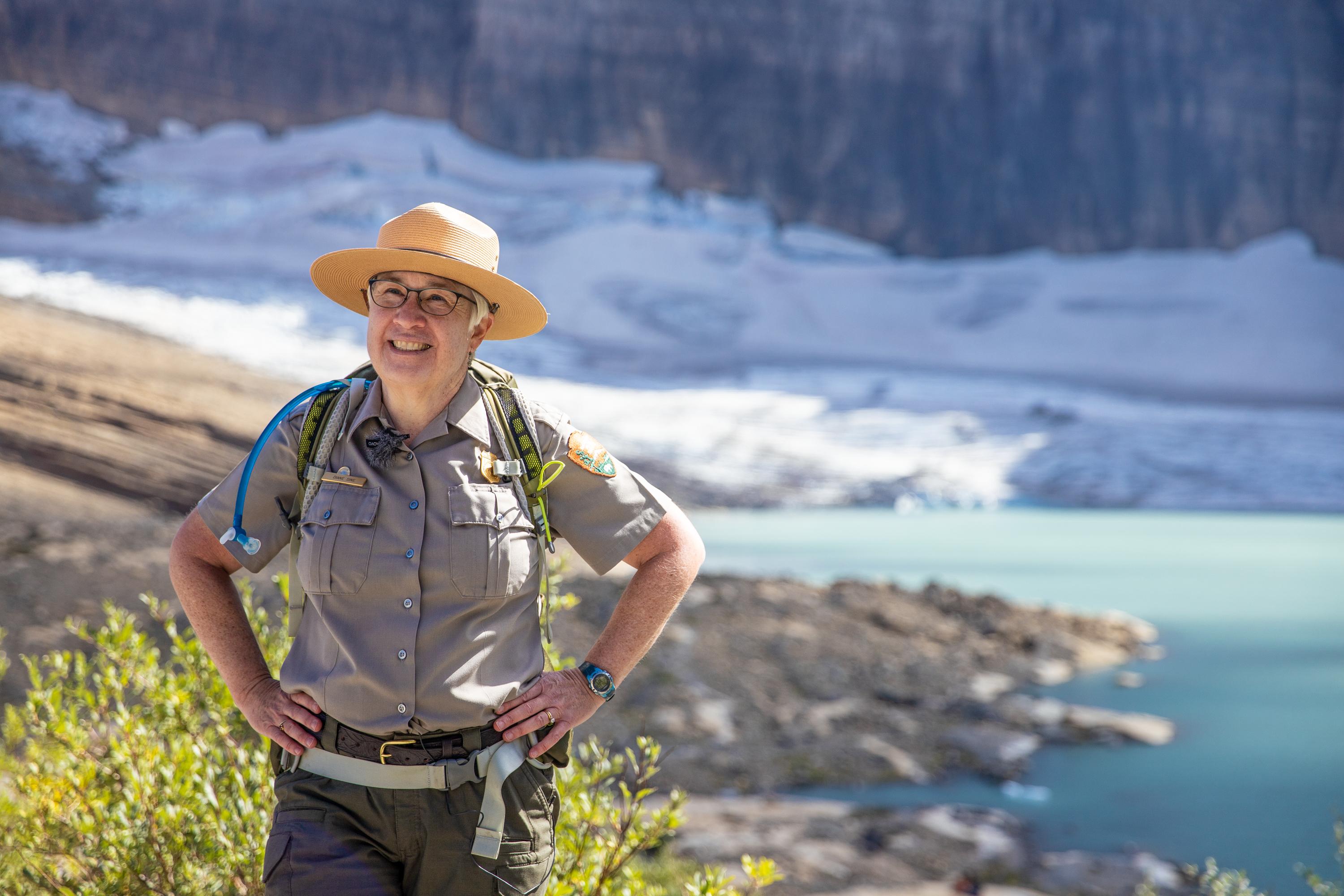
September is prime hiking time. The Highline Trail from Logan Pass offers spectacular ridge walking, while the hike to Grinnell Glacier in the Many Glacier area showcases turquoise lakes and, sometimes, the season's first snow on the peaks. The short climb to Hidden Lake Overlook is rewarding and accessible. Later in the month, watch for the golden larches turning color. Carry bear spray, layers, and plenty of water, and start early since daylight shortens quickly this time of year.
What about wildlife and fall color?
Autumn is an active season for wildlife in Glacier. Bears forage heavily before winter, so carry bear spray, make noise, and keep your distance. Elk enter their rut, and you may hear bugling in the valleys. Aspens and cottonwoods add yellow to the lower elevations, while alpine larches glow gold later in the month. This combination of color and wildlife makes September one of the most rewarding times to explore the park's trails and valleys.
How should you plan a September trip?
Book lodging early, since in-park accommodations often close for the season in mid-to-late September. Fuel up and stock supplies in gateway towns, as services reduce hours in the shoulder season. Build flexibility into your itinerary to adjust for early snow or road closures, and always have a backup lower-elevation hike. If you want more mountain scenery, pair the trip with Rocky Mountain National Park or explore more of Montana on a wider road trip.
Is September a good time to visit Glacier?
September is an excellent time to visit Glacier if you value fewer crowds, comfortable hiking temperatures, and beautiful early-fall scenery. The main trade-offs are shorter days, cooler nights, and the start of seasonal closures. With early planning and flexible dates, a September trip can be the most peaceful and photogenic way to experience the park.
FAQ
Is Glacier National Park crowded in September?
Crowds drop noticeably after Labor Day, especially on weekdays, making September much quieter than July and August while many trails and the main road remain accessible early in the month.
Does it snow in Glacier in September?
Yes, higher elevations can see the season's first snow in September, particularly later in the month. Pack warm layers and check the current-year forecast and road conditions before heading to the high country.
When does Going-to-the-Sun Road close?
The road is usually open in early September but begins closing in sections as snow arrives in fall. Exact timing varies each year, so confirm the current-year status before planning your drive.