
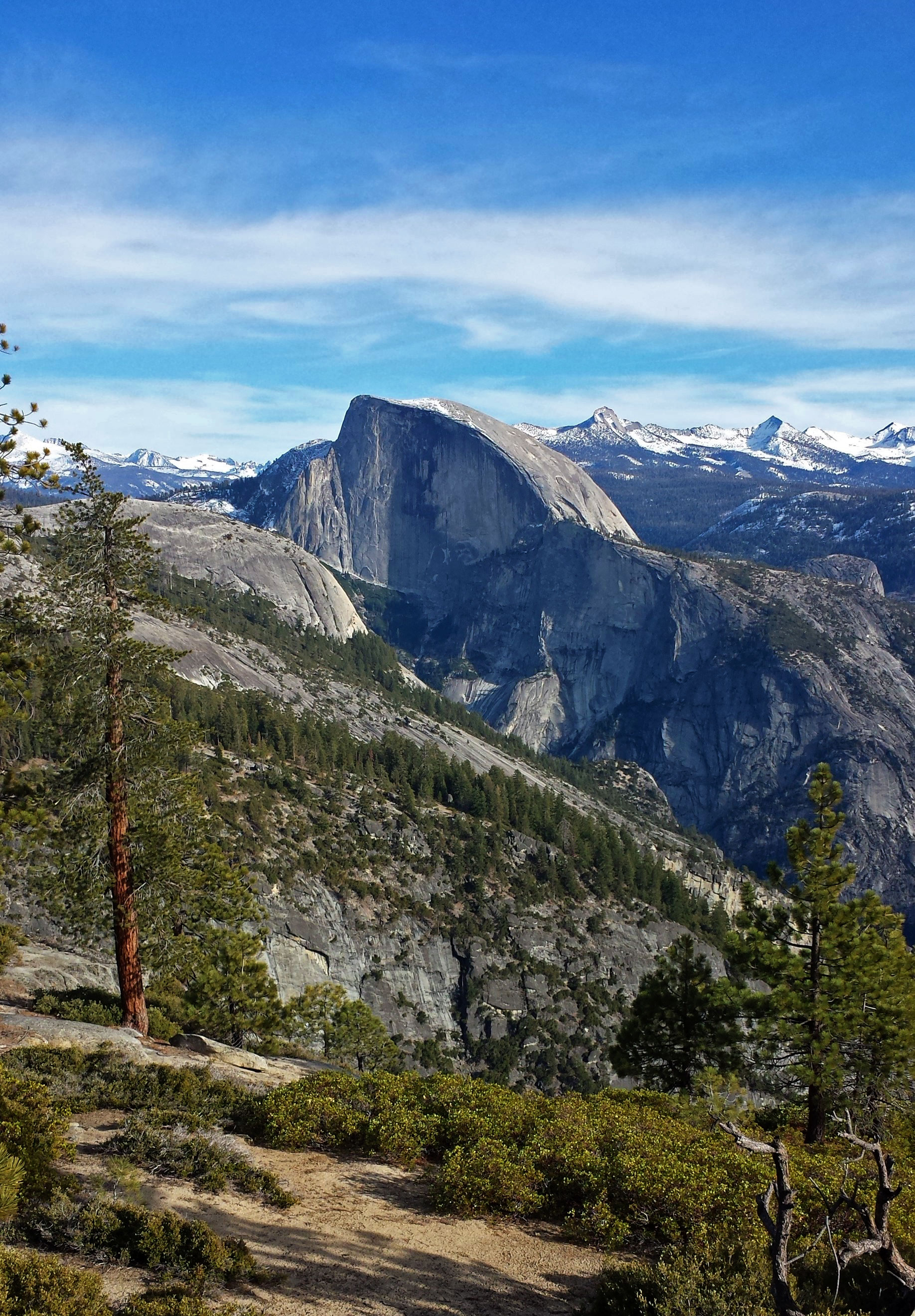
The best time to visit Yosemite National Park is late spring (May to June) for thundering waterfalls and early fall (September to October) for warm days, thinner crowds, and open high country. The ideal month really depends on whether you are chasing waterfalls, high-country hikes, or fall quiet, so here is Yosemite season by season.
When is the best overall time to visit Yosemite?
May and June are prime for first-time visitors: the waterfalls are at peak flow from snowmelt, Yosemite Valley is green, and temperatures are pleasant. September and early October are equally rewarding, with comfortable hiking weather, smaller crowds after the summer rush, and the Tioga Road still open to the high country. July and August are warm and spectacular but the busiest and most congested months in the Valley.
When are Yosemite's waterfalls at their best?
Yosemite Falls, Bridalveil Fall, and Vernal and Nevada Falls peak in May and June as the Sierra snowpack melts. By late summer, many falls slow to a trickle or dry up entirely, so if waterfalls are your priority, come in spring. A heavy snow year can push strong flows into July, while a dry year may shorten the window, so check current conditions before you plan around a specific fall.
When does Tioga Road and the high country open?
Tioga Road, which climbs to Tuolumne Meadows and Glacier Point country, is usually closed by snow from around November until late May or June, with the exact opening depending on the year's snowpack. If your trip centers on high-country hiking, alpine lakes, or the drive over Tioga Pass, plan for July through October. Always check the current-year road status before committing to that route.
What is Yosemite like in each season?
Spring brings roaring waterfalls, wildflowers, and cool nights, though higher trails may still hold snow. Summer offers long days and full access but peak crowds and traffic. Fall delivers crisp air, golden meadows, and quieter trails, with waterfalls at their lowest. Winter is serene and uncrowded, with snow on the Valley floor, ice-climbing at times, and the rare firefall glow on Horsetail Fall in late February, though Tioga Road stays closed and chains may be required.
When is Yosemite least crowded?
The quietest stretches are November through March and weekdays outside summer. Late fall gives you the Valley nearly to yourself with mild daytime weather, while winter trades crowds for snow and reduced high-country access. During peak summer, a reservation may be required to enter, so check the current-year entry rules and arrive early regardless of season.
Where else can you go nearby?
Yosemite is one of several national parks in the Sierra Nevada. Sequoia and Kings Canyon lie to the south with giant trees and deep canyons, and Pinnacles makes a good add-on toward the coast. For a full itinerary, see our California parks guide and the main Yosemite National Park page.
FAQ
What is the single best month to visit Yosemite?
May is a top pick for waterfalls and green scenery, while September offers the best mix of warm weather, open high country, and lighter crowds.
When can you see the Yosemite firefall?
The Horsetail Fall firefall effect appears only for a couple of weeks in mid-to-late February, and only when there is enough water and a clear sunset. It is popular, so check current access and any reservation rules ahead of time.
Is a reservation required to enter Yosemite?
Peak-season day-use reservations have been used in recent years, but the rules change annually. Check the current-year entry and reservation requirements before your trip.
When is the best time to hike in Yosemite's high country?
July through October is best for Tuolumne Meadows and the high country, once Tioga Road opens and snow has cleared from the alpine trails.