
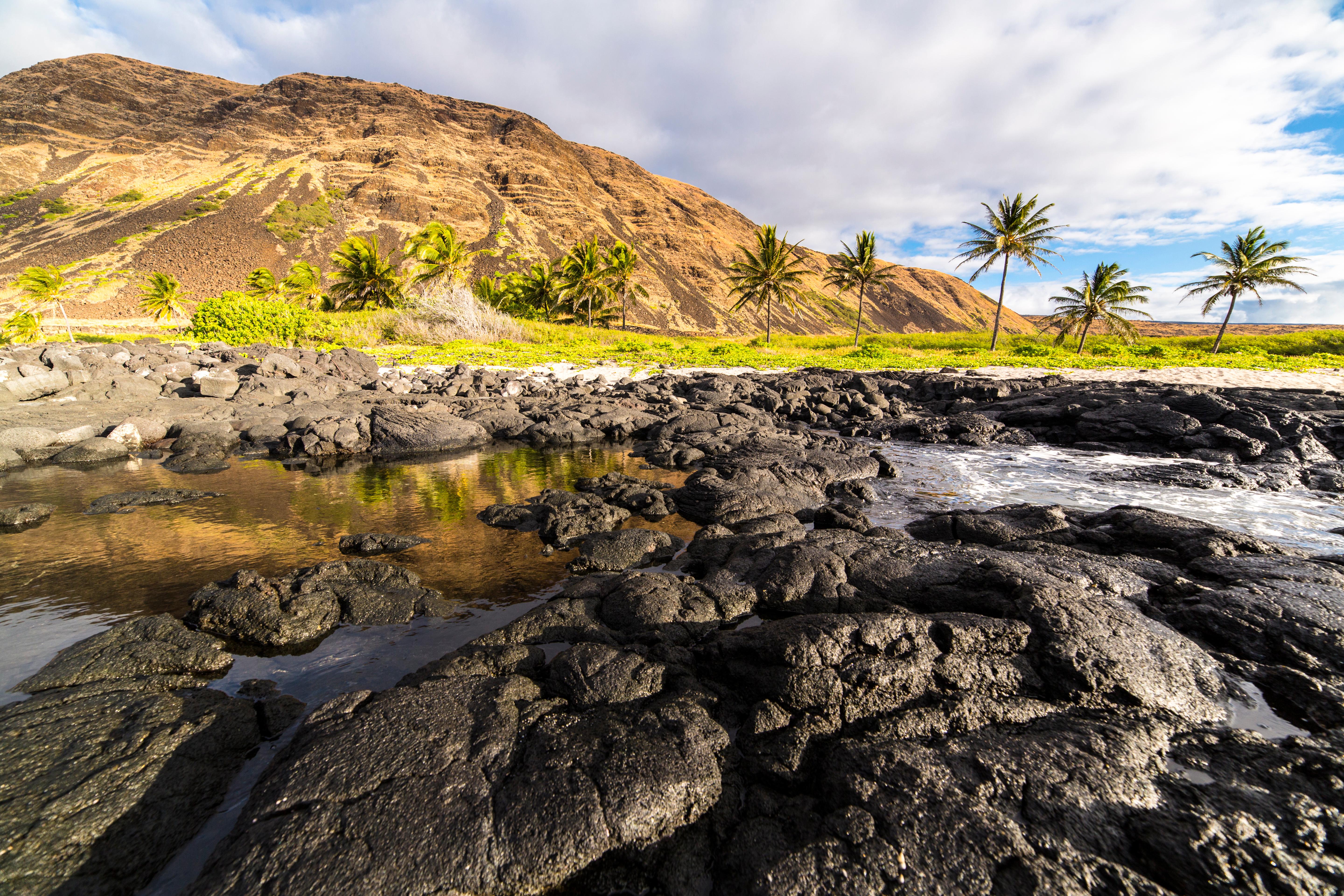
The best time to visit Hawaii Volcanoes National Park is April through May or September through October, when trade-wind weather is at its driest, daytime temperatures at the Kīlauea summit sit in the comfortable 60s and 70s, and the summer and winter-holiday crowds have thinned out. The park is open 24 hours a day, year-round, so the question is less "is it open?" and more "which weeks give me clear crater views, breathable air and an empty trail?"
What is the weather actually like at Kīlauea?
Most visitors are surprised by how cool the park is. The Kīlauea Visitor Center sits at roughly 4,000 feet, which knocks 10–15°F off the beach temperatures in Hilo and Kona. Expect highs in the 60s–70s°F and nights in the upper 40s–50s°F all year. Bring a rain shell and a fleece even in August. The park also spans an enormous elevation range — from sea level at the end of Chain of Craters Road up to the 13,681-foot summit of Mauna Loa — so you can drive through three distinct climates in a single afternoon.
Rain is the real seasonal variable. November through March is the wetter half of the year, with heavier, longer downpours at the summit. April through October is drier and more reliable for the coastal and rainforest trails.
Which months have the fewest crowds?
Visitation peaks twice: mid-June through mid-August, and the last two weeks of December. Both periods fill the Kīlauea Visitor Center parking lot by mid-morning and make the Devastation Trail and Kīlauea Iki overlook parking a genuine problem. The quietest stretches are late April through May and the first three weeks of September and October — shoulder weeks that still get dry weather but see a fraction of the summer traffic. Arriving before 9 a.m. or after 3 p.m. solves most parking problems in any month.
When can you see lava or volcanic glow?
There is no season for eruptions. Kīlauea's activity is episodic and unpredictable — it can erupt for weeks and then go quiet for months. When the summit is active, the glow is dramatically better after dark from the Uēkahuna and Kīlauea Overlook areas, so plan a night visit and bring a headlamp. Check the park's current eruption status and any related closures shortly before you travel rather than assuming what you saw in a photo is still happening.
What about vog?
Vog — volcanic smog from sulfur dioxide — is the factor most trip planners miss. It is driven by wind direction, not calendar date. Normal northeast trade winds push emissions southwest, away from the main summit viewpoints. During "Kona wind" episodes, which are more common in winter, the flow reverses and haze can settle over the crater rim, dulling views and irritating anyone with asthma. Trade winds are steadiest from April to October, which is another point in favor of the shoulder seasons.
Is one day enough?
One full day covers Crater Rim Drive, the Kīlauea Iki Trail, the Nāhuku (Thurston) Lava Tube and a drive down Chain of Craters Road. Two days lets you add the Kahuku Unit on the park's southwest side, which keeps limited weekly hours — check the current-year schedule before driving the hour out from the summit. Entrance passes are valid for seven days, so a second day costs nothing extra.
How does it compare to Haleakalā?
If you are island-hopping, the two volcano parks complement each other rather than repeat. Haleakalā National Park on Maui is a high-altitude summit experience built around sunrise, with a reservation system attached to it. Hawaiʻi Volcanoes National Park on the Big Island is about active geology at close range and is far better in the middle of the day and after dark than at dawn. See our Hawaii national parks guide for how to sequence them, or browse all national parks and state guides to plan the rest of the trip.
FAQ
What is the single best month to visit Hawaii Volcanoes National Park?
September is the strongest all-around month: dry trade-wind weather, steady 70s at the summit, and the lowest crowd levels of the year outside of early May.
What is the worst time to visit?
Late December through early January combines the wettest weather, the highest chance of Kona-wind vog, and holiday crowds. February is wet but quiet, which is a reasonable trade if you do not mind rain.
Is Hawaii Volcanoes National Park open at night?
Yes. The park is open 24 hours a day. Night is the best time to look for volcanic glow when the summit is erupting, though some roads and pullouts close temporarily during hazardous activity.
Do I need a reservation to enter?
No timed-entry reservation is required for general park entry, unlike some mainland parks. Camping and the Volcano House lodge do require booking — check the current-year rules and fees before you go.
How many days should I spend there?
Plan one full day minimum and two if you want the Kahuku Unit or a long Mauna Loa-side hike. Your entrance pass covers seven consecutive days.