
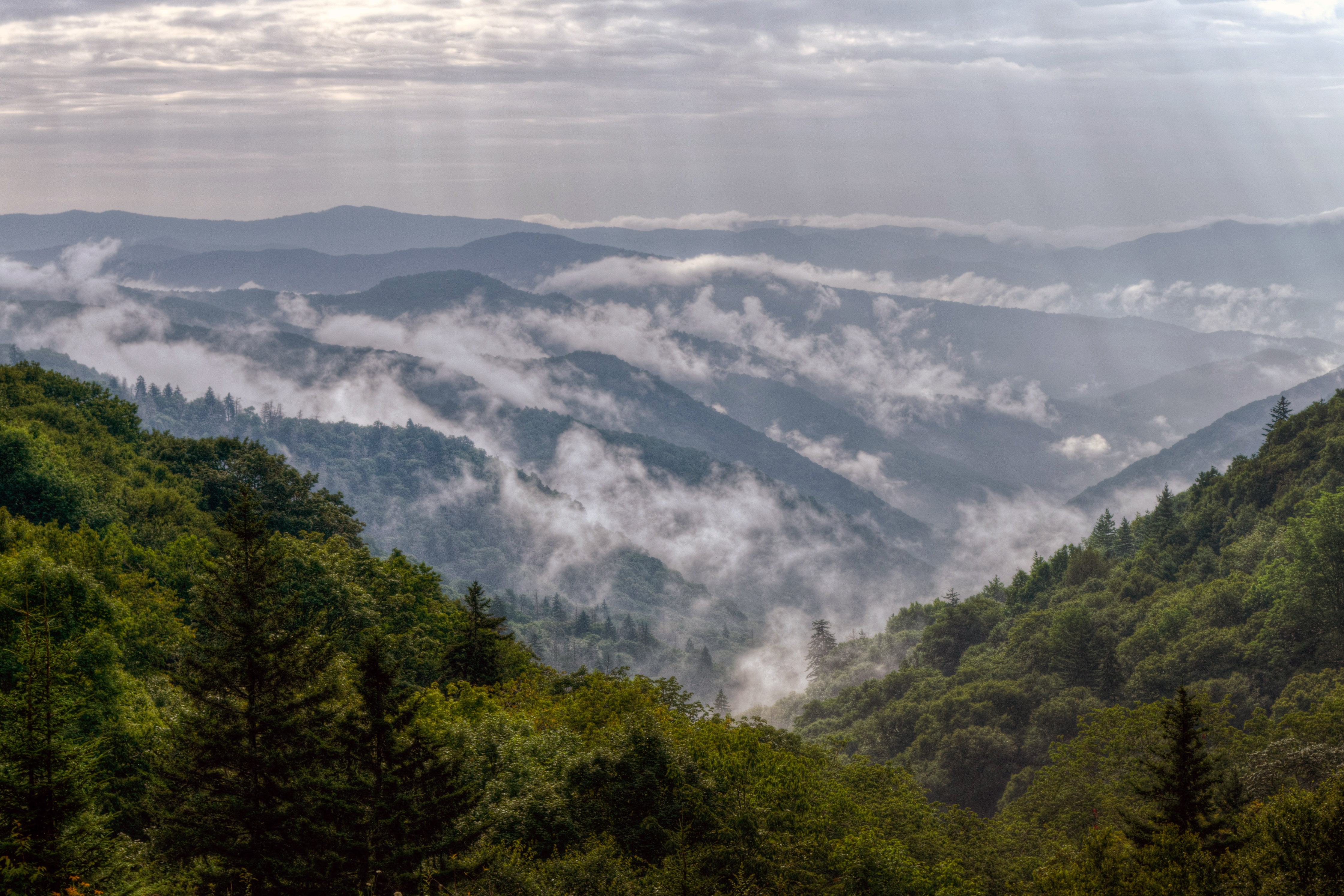
The best time to visit Great Smoky Mountains National Park is generally mid-April through May for spring wildflowers and October for peak fall foliage, though the park rewards visitors in every season if you match your trip to what you want to see. As the most-visited national park in the United States, timing your visit well is the single biggest thing you can do to avoid traffic and enjoy the ridgelines.
When is the overall best time to visit the Great Smoky Mountains?
For the best balance of pleasant weather, open facilities, and manageable crowds, aim for late April to early June or the second half of September. These shoulder windows give you mild temperatures, flowing waterfalls, and greener trails without the bumper-to-bumper traffic of peak summer and leaf season. Weekdays are dramatically quieter than weekends year-round.
When does fall foliage peak in the Smokies?
Because the park spans elevations from about 875 to 6,643 feet, fall color arrives in waves. Higher elevations above 4,000 feet typically turn in early to mid-October, while the mid and lower elevations, including Cades Cove and Gatlinburg, usually peak from mid-October into early November. This long, staggered season is one reason the Smokies draw such heavy autumn crowds; arrive early in the day and consider a weekday.
When can you see the synchronous fireflies?
For roughly two weeks in late May to mid-June, the park's synchronous fireflies (Photinus carolinus) flash in unison near Elkmont, one of only a few places on Earth where this happens. Access during the peak window is managed by a vehicle-reservation lottery, so check the current-year rules and apply well in advance if this is your goal.
What are spring wildflowers like?
The Smokies are sometimes called the "Wildflower National Park." From late March through April, trilliums, lady slippers, and violets carpet the forest floor, and the annual Spring Wildflower Pilgrimage brings guided walks. Spring weather is changeable, so pack layers and expect afternoon showers.
How hot and crowded is summer?
June through August brings warm, humid days in the 80s at lower elevations, afternoon thunderstorms, and the year's biggest crowds alongside fall. Higher trails such as Clingmans Dome and Newfound Gap stay noticeably cooler. If you visit in summer, start hikes early and use the higher elevations to escape the heat and haze.
Is winter worth visiting?
Winter is the quietest season and offers stark, long-distance views once the leaves drop, plus the occasional snow-dusted summit. Some secondary roads, including the road to Clingmans Dome, close seasonally, and higher routes can ice over, so check current road status before you go. For solitude, though, it is hard to beat.
FAQ
What is the least crowded time to visit the Great Smoky Mountains?
Weekdays in winter (January and February) are the quietest, followed by weekdays in late spring before schools break for summer. Any season improves dramatically if you visit midweek and arrive before 9 a.m.
What is the best month for fall colors in the Smokies?
October is the classic choice. Aim for early October at high elevations and mid-to-late October for Cades Cove and the valleys, keeping in mind that exact peak shifts year to year with weather.
Do you need a reservation to enter Great Smoky Mountains National Park?
There is no entrance fee or entry reservation to drive through the park, but you do need a paid parking tag to park for more than 15 minutes, and the Elkmont firefly event requires a lottery reservation. Always check the current-year rules before your trip.
How does the Smokies compare to other eastern parks?
If you want a quieter East Coast alternative with similar ridge-top views, Shenandoah National Park in Virginia is a strong companion trip along Skyline Drive.
Ready to plan the rest of your trip? Browse all national parks, explore destinations by state, or dig into the full Great Smoky Mountains park guide. The park straddles Tennessee and North Carolina, so you can easily pair it with nearby attractions in either state.