
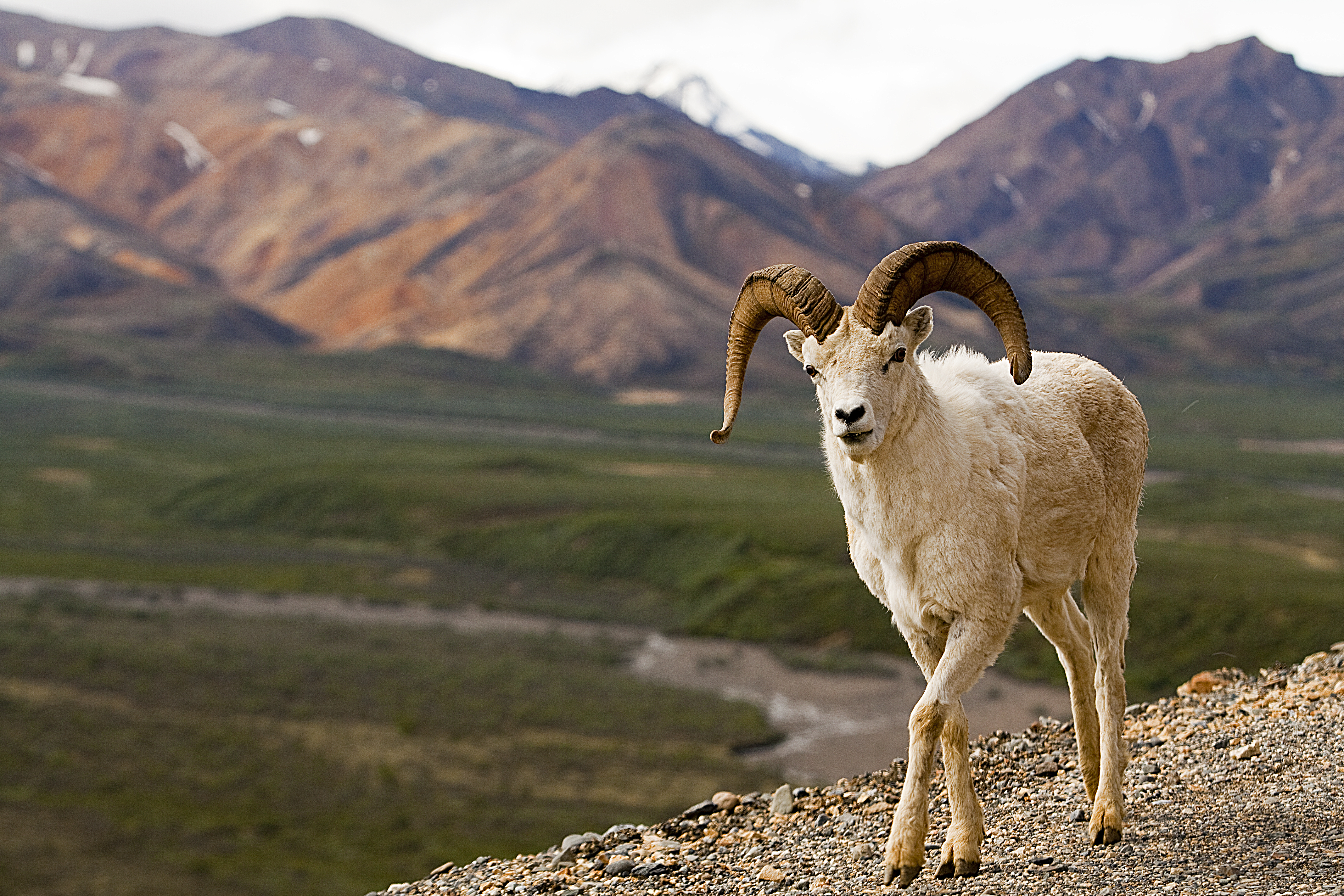
The best time to visit Denali National Park is mid-June through mid-September, when the park road is open to bus traffic, all visitor services are running, and daylight stretches past 11 p.m. If you want one narrow window, aim for the last week of August through the first week of September: the tundra turns red and gold, the mosquitoes have collapsed, the crowds thin out, and the aurora becomes possible again after a summer of nightless skies.
Denali is not a park you can visit year-round in any meaningful sense. Ninety percent of the visitor infrastructure operates for roughly 100 days. Choosing your week is less about weather preference and more about which services are actually running.
When is the best time to visit Denali National Park?
Break the season into three usable windows:
Late May to mid-June: buses begin running, snow still lingers on the passes, wildlife is concentrated at lower elevations, and lodging is cheaper. Some facilities open on a staggered schedule.
Mid-June to mid-August: peak season. Warmest temperatures, every service running, longest days — and the highest prices, fullest buses and worst mosquitoes.
Late August to mid-September: the connoisseur's window. Fall color across the tundra, bull caribou and moose in rut, sharply fewer bugs, and the first dark nights of the season. Services begin shutting down through September, so book carefully.
Outside those windows the park is open but effectively roadless to visitors. Compare this with the shorter, milder seasons at Kenai Fjords if you are stitching together a wider Alaska itinerary.
What is summer really like in Denali?
Summer highs sit in the 60s and low 70s Fahrenheit, but Denali can freeze in any month and the subarctic weather changes hourly. Pack rain shell, fleece and warm layers even in July. Rain is common — this is not a dry-season park like the Southwest.
Mosquitoes peak from roughly late June through July and are genuinely oppressive on still, warm days near wet tundra. Head nets are not an overreaction. By late August their numbers have crashed, which is one of the strongest arguments for a September trip.
Daylight in June is close to continuous — around 20 hours of usable light near the solstice, with civil twilight filling the gap. This is wonderful for hiking and terrible for sleeping; bring an eye mask.
How far can you actually drive into Denali?
Private vehicles are limited to the first 15 miles of the 92-mile Denali Park Road, ending at the Savage River. Beyond that you need a park bus. This is the single most important logistical fact about visiting Denali, and it shapes every itinerary.
Since 2021 the road has also been closed to through traffic at roughly Mile 43 because of the Pretty Rocks landslide in the Polychrome area, with a bridge project underway to restore access. That means the classic all-day ride to Wonder Lake and the Eielson Visitor Center has not been available. Check the current-year road status and bus routes before you book anything, since reopening timelines have shifted more than once.
Is early September the best window?
For most travelers, yes. Fall color on the tundra typically peaks between late August and the second week of September — dwarf birch and blueberry turning crimson beneath the white of the Alaska Range. The moose rut brings bulls into the open, caribou are moving, and bears are feeding hard on berries before denning.
The trade-off is contraction: bus schedules shorten, campgrounds close in sequence, and by late September most services have stopped. Weather also turns — snow at road level in September is unremarkable.
Mid-September also brings the Road Lottery, when a small number of private vehicles win permits to drive as far up the road as conditions allow. Applications typically open in early summer for a September drawing; check the current-year rules and dates.
Can you visit Denali in winter?
You can, and almost nobody does. The park road is plowed only to about Mile 3 near park headquarters. Winter visitors ski, snowshoe, fat-bike and watch for aurora, with the visitor center operating on limited winter hours. Temperatures routinely drop well below zero Fahrenheit. It is a real experience, but it is an expedition mindset, not a sightseeing trip.
When are you most likely to actually see Denali?
The mountain generates its own weather and is fully visible only about 30 percent of the time in summer. Odds improve slightly in the clearer, cooler air of late August and September, and in the early morning before afternoon convection builds cloud. Give yourself multiple days rather than a single-day drive-through — a one-shot visit is a coin flip you will probably lose.
How does Denali compare to other Alaska parks?
Denali has the most developed access of any Alaskan park, which makes it the usual first stop. Wrangell-St. Elias is far larger and reachable by two rough roads. Gates of the Arctic has no roads or trails at all and requires a bush flight. If you have one week in Alaska, Denali plus a coastal park is the standard pairing. Browse the full park directory to see how the rest fit together.
FAQ
What is the single best month to visit Denali?
Early September, if you want fall color, low bug pressure and thinner crowds. Mid-July, if you want maximum services, warmest weather and the longest days. Both are defensible; they answer different questions.
Do you need a reservation to enter Denali?
There is no timed-entry reservation for the park itself, but transit and tour buses beyond Savage River sell out well in advance in peak season, and campgrounds book early. Reserve buses and lodging months ahead and check the current-year booking rules.
How many days should you spend at Denali?
Three days is the practical minimum: one for a long bus day, one for hiking near the entrance area, and one buffer for weather and mountain views. Two days works but leaves no margin.
Is Denali crowded?
Denali receives a small fraction of the visitors that Great Smoky Mountains or Zion do, but the visitation is funneled through one road and one entrance corridor, so the entrance area feels busy in July. Bus seats, not trails, are the bottleneck.
Can you see the northern lights at Denali?
Not in June or most of July — it never gets dark enough. Aurora viewing becomes possible again from roughly late August, improves through September, and is best in the deep winter months when almost nothing else is open.