
The best national parks for wildflowers turn ordinary trails into rivers of color, and timing your visit to the bloom is one of the great joys of park travel. From subalpine meadows exploding with lupine and paintbrush to rare desert super blooms carpeting the sand, the parks below offer some of the most spectacular flower displays in the country. The trick is knowing where to go and, just as importantly, exactly when.
Which park has the best alpine wildflowers?
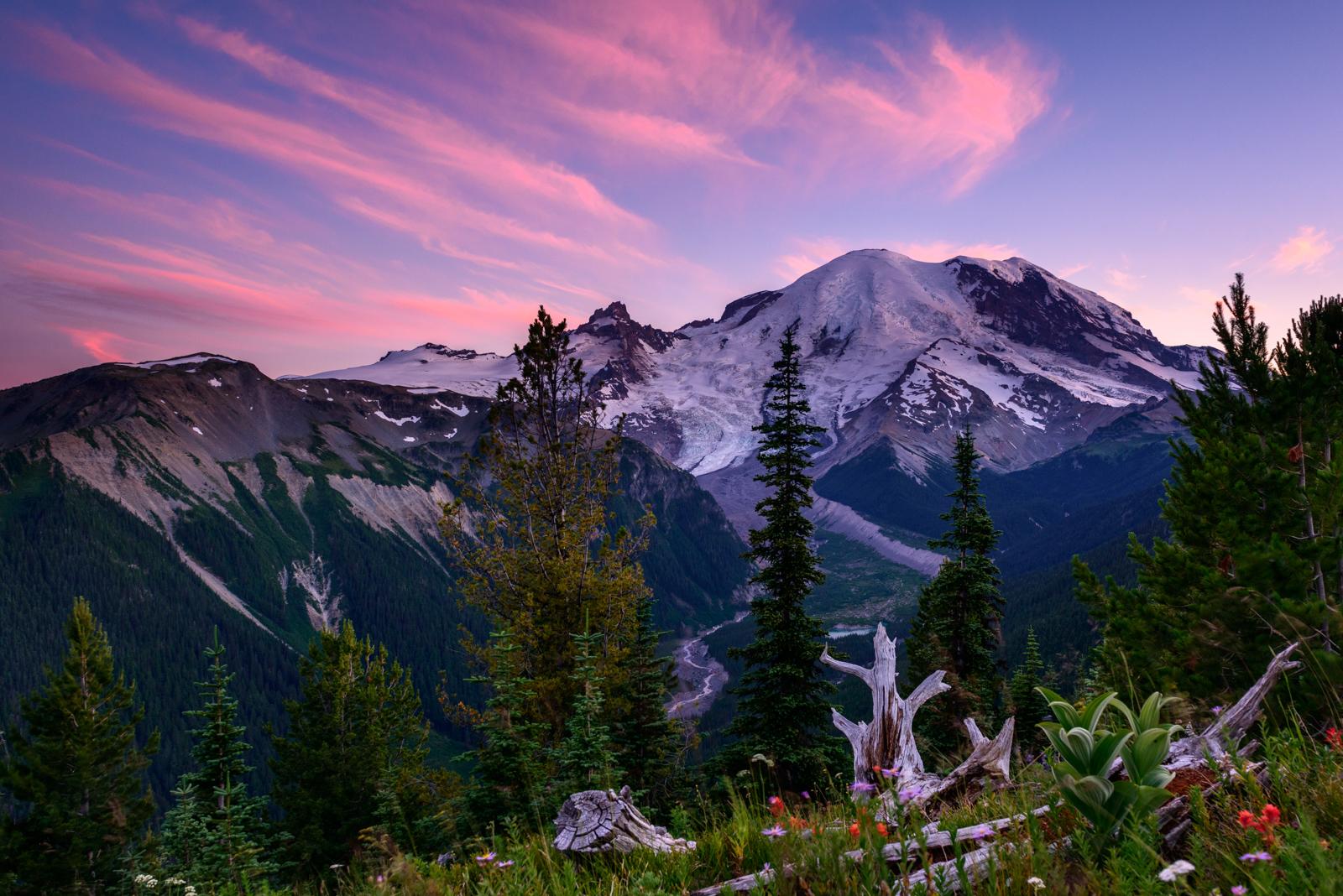
For sheer density and drama, it is hard to beat Mount Rainier National Park, whose subalpine meadows at Paradise and Sunrise erupt with lupine, paintbrush, and avalanche lilies in late July and August. The flowers ring the glaciated peak in a way that feels almost too perfect to be real. Nearby North Cascades and Olympic offer similar high-country color a little earlier or later depending on snowmelt, making the Pacific Northwest a wildflower paradise in midsummer.
Where can you see a desert super bloom?
In wet years, the deserts put on an unforgettable show. Death Valley National Park occasionally erupts into a rare super bloom, when winter rains coax millions of desert gold and other wildflowers across the normally barren valley floor. Joshua Tree, Saguaro, and Big Bend also bloom in spring, typically February through April, with cactus flowers and desert annuals brightening the landscape. Super blooms are unpredictable, so watch current-year reports closely and go the moment they peak.
What about eastern parks?
The East holds its own wildflower magic. Great Smoky Mountains National Park is famous as the wildflower national park, with spring ephemerals like trillium, lady slippers, and phlox carpeting the forest floor from March into April, plus a beloved annual wildflower pilgrimage. Shenandoah and Cuyahoga Valley also delight spring hikers with woodland blooms along their trails, offering an accessible flower fix for East Coast travelers.
When is the best time for wildflowers?
Timing depends entirely on elevation and region. Desert blooms peak earliest, roughly February through April, followed by lowland and eastern woodland flowers in spring, and finally high-alpine meadows in July and August. A single park can bloom across many weeks as snow retreats up the slopes. Because peak color shifts year to year with rain and snowpack, always check current-year bloom reports before booking a flower-focused trip.
How do you photograph and protect wildflowers?
Great flower photos come from soft light, so shoot in early morning or late afternoon and get low to capture blooms against the landscape. Most importantly, stay on trails and never trample or pick flowers, since meadows are fragile and take years to recover. Wet, delicate super-bloom areas are especially vulnerable to foot traffic. Leaving flowers undisturbed keeps the displays thriving for the travelers who follow.
Which park should you choose?
For guaranteed alpine spectacle, plan a midsummer trip to Mount Rainier and explore our Washington national parks guide. For a springtime desert adventure, watch the Southwest and hope for a super bloom. For accessible woodland flowers, the Smokies are unbeatable in April. Match the park to the season, and you will catch nature at its most colorful.
FAQ
What is the best national park for wildflowers?
Mount Rainier is a top pick for alpine meadows, while Great Smoky Mountains leads for spring woodland flowers. Death Valley wins in rare super-bloom years. The best choice depends on the season.
When do wildflowers bloom in national parks?
Deserts bloom in late winter and spring, woodlands in spring, and high alpine meadows in mid to late summer. Check current-year bloom reports, since timing varies with weather.
Can you pick wildflowers in national parks?
No. Picking or trampling wildflowers is prohibited to protect fragile habitats. Stay on trails and leave every bloom for others to enjoy.