
The best national parks for waterfalls deliver everything from thundering granite cascades to misty forest cataracts, and they are at their most powerful when snowmelt and spring rains swell the rivers. Chasing waterfalls is one of the most rewarding ways to explore a park, combining scenic hikes with cool, roaring payoffs. Here are the top parks for waterfalls, their signature falls, and how to time your visit for peak flow.
Yosemite National Park, California
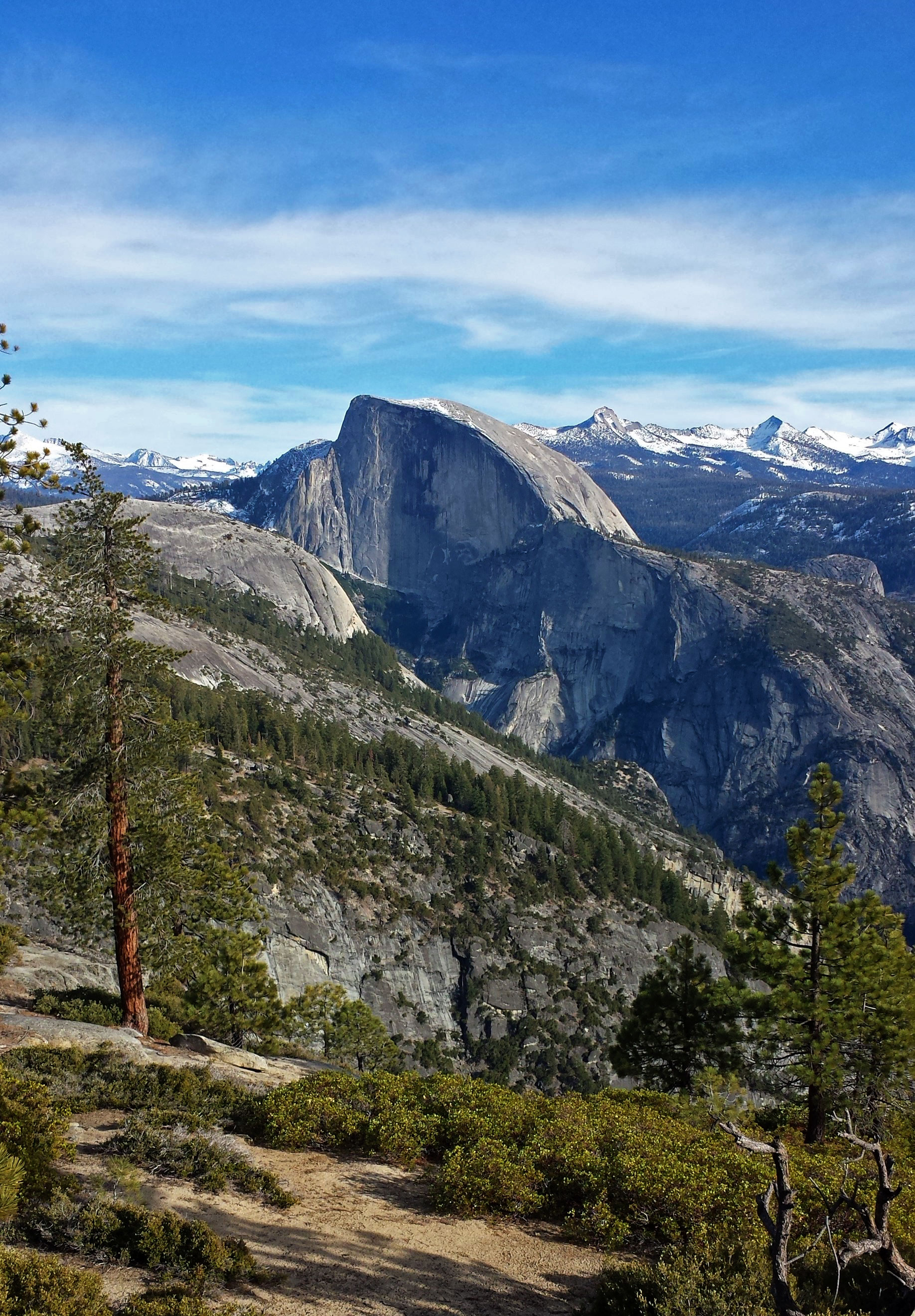
Yosemite is the undisputed king of waterfalls, home to Yosemite Falls, one of the tallest in North America at 2,425 feet, plus Bridalveil, Vernal, and Nevada Falls. A spring visit to Yosemite National Park in California means deafening cascades fed by Sierra snowmelt, with the Mist Trail delivering you right into the spray. By late summer some falls slow to a trickle, so plan for May and June to catch peak power.
Great Smoky Mountains National Park
The Smokies are laced with rushing streams and dozens of accessible waterfalls tucked into lush forest. Popular hikes lead to Grotto Falls, where you can walk behind the curtain, plus Laurel Falls and the tall drop at Rainbow Falls. Exploring Great Smoky Mountains National Park from Tennessee gateways puts many of these falls within a short, family-friendly hike, and spring rains keep them flowing generously.
Glacier National Park, Montana
Glacier's meltwater feeds a spectacular collection of waterfalls, from roadside stunners along Going-to-the-Sun Road to backcountry gems. Trails lead to St. Mary Falls, Virginia Falls, and the towering Bird Woman Falls visible across the valley. A visit to Glacier National Park in Montana during early summer, right after the road opens, catches the falls at their thundering, snow-fed best against a backdrop of jagged peaks.
More parks with standout waterfalls
Beyond the big three, Shenandoah rewards hikers with Dark Hollow Falls and Whiteoak Canyon, while Mount Rainier hides Narada and Christine Falls beneath its glaciers. Yellowstone's Lower Falls plunges 308 feet into the Grand Canyon of the Yellowstone, one of the most photographed scenes in any park. Nearly every mountain park has a signature cascade worth the walk, so it pays to research a few before you arrive.
When are waterfalls at their best?
Peak flow usually arrives in spring and early summer as snow melts and seasonal rains fall, roughly April through June in most mountain parks. By late summer, many falls shrink or dry up entirely, though rainforest and spring-fed falls run year-round. Timing varies with each winter's snowpack, so check the current-year rules and local conditions before planning a waterfall-focused trip.
Tips for chasing waterfalls
Wear shoes with good traction, since spray makes rocks and trails slippery, and never climb on wet ledges above a fall. Go early to beat crowds at popular viewpoints, and bring a rain layer for the mist. For photos, an overcast day and a slow shutter speed create silky water, while a polarizing filter cuts glare. Always stay on marked trails and behind railings near powerful cascades.
FAQ
Which national park has the best waterfalls?
Yosemite is widely considered the best for sheer scale and number of dramatic waterfalls, but the Great Smoky Mountains and Glacier are also outstanding, especially in spring.
When is the best time to see waterfalls?
Spring and early summer offer peak flow in most mountain parks as snow melts. Check the current-year snowpack and conditions, since timing shifts each year.
Are waterfall hikes family friendly?
Many are. Parks like the Great Smoky Mountains have short, gentle trails to impressive falls, though always supervise children near slippery rocks and fast water.How to plan a waterfall road trip
Waterfalls make an ideal theme for a national park road trip, especially in spring when rivers run high. Map your route around peak snowmelt, starting with lower-elevation falls that melt out first and working toward high-country cascades as the season warms. Pack a microspike or sturdy trekking pole for slick approach trails, and build in extra time, since the best falls often reward a short hike rather than a roadside pullout. Keep an eye on the weather, as storms can swell rivers quickly and make crossings dangerous, and always check the current-year rules for trail and road closures before you set out on your chase.