
The best parks for kayaking turn the national park experience upside down, trading trails for water and letting you explore places you simply cannot reach on foot. From mirror-calm northern lakes to mangrove mazes and wave-carved sea cliffs, these parks reward paddlers with quiet, wildlife-rich routes. Here are the top national parks for kayaking and how to plan a trip around them.
Voyageurs National Park, Minnesota
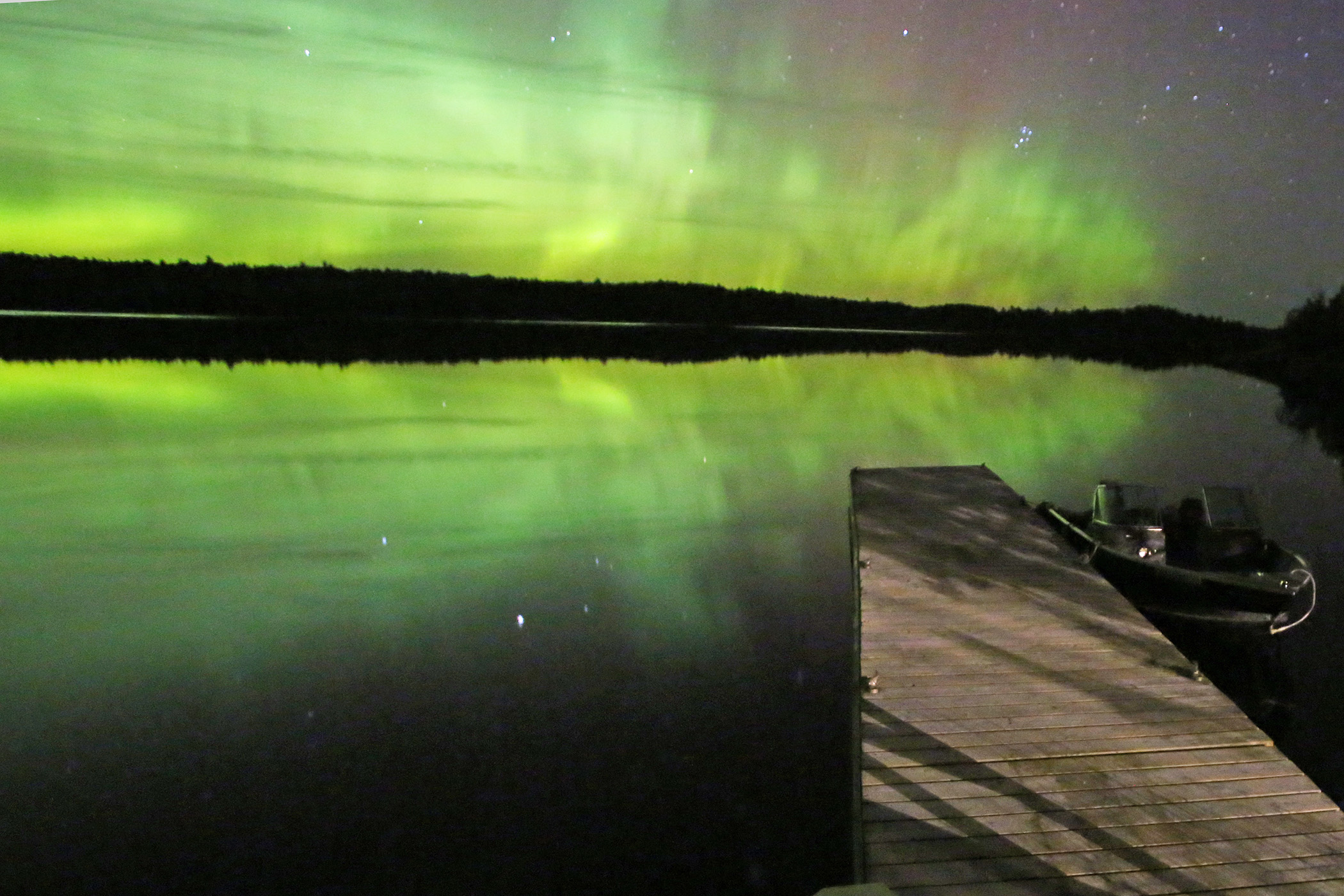
Voyageurs is arguably the ultimate paddling park, a water-based wilderness where interconnected lakes and islands stretch along the Canadian border. You can day-paddle from the visitor centers or launch a multi-day canoe-and-kayak trip to backcountry campsites reachable only by water. Add glassy sunrises and northern-lights nights, and it is hard to beat. Check the current-year rules for permits and campsite reservations.
Everglades National Park, Florida
Everglades offers a completely different flavor: paddling through mangrove tunnels, sawgrass marsh, and coastal bays teeming with wildlife. Short marked water trails suit beginners, while the 99-mile Wilderness Waterway challenges experts. Winter is the prime season, with cooler temperatures and fewer bugs. Watch for alligators, manatees, and wading birds, and always check the current-year rules and tide charts.
Biscayne National Park, Florida
Just south of Miami, Biscayne protects a shimmering bay where kayakers glide over seagrass flats and along mangrove shorelines with the skyline in the distance. It is one of the most accessible saltwater paddles in the park system, ideal for calm-water beginners and wildlife lovers. Bring sun protection and plenty of water, and check the current-year rules for launch sites and conditions.
Acadia National Park, Maine
Acadia brings rugged New England sea kayaking, with granite coastline, islands, and the chance to spot seals and porpoises. Guided tours are popular because ocean conditions and tides demand respect. Inland, the park's ponds offer calmer flatwater for less experienced paddlers. Fall adds brilliant foliage along the shore. Check the current-year rules and always heed marine forecasts before heading out.
What do you need to know before kayaking a park?
Water conditions vary enormously, from placid lakes to tidal ocean and current-driven rivers. Match the destination to your skill level, wear a life jacket, and carry navigation tools, water, and sun protection. Guided trips are a smart way to try challenging spots like sea coasts. Wildlife is a highlight, but keep a respectful distance. Always check the current-year rules and permits before you launch.
When is the best time to go?
The ideal season depends on the park: summer for northern lakes like Voyageurs and Acadia, and winter for the subtropical Everglades and Biscayne. Aim for calm mornings when wind and boat traffic are lowest, and avoid paddling in the face of building afternoon storms or strong tides.
FAQ
What is the best national park for kayaking?
Voyageurs is often called the best for paddling because so much of the park is water, but the Everglades is unmatched for mangrove and wildlife paddling. The best pick depends on whether you prefer lakes, coast, or subtropical waterways.
Do you need your own kayak?
Not always. Many parks have nearby outfitters that rent kayaks and run guided tours, which is the easiest way to paddle unfamiliar or challenging water. Check the current-year rules and rental options for each park.
Is kayaking in national parks beginner-friendly?
It can be. Calm lakes and marked water trails suit beginners, while open ocean and long wilderness routes are for experienced paddlers. Choose your destination and conditions carefully, and consider a guided trip to start.What gear should you bring kayaking?
Always wear a properly fitted life jacket, and pack water, sun protection, a dry bag for valuables, and a whistle. For ocean or big-lake trips, add a spray skirt, navigation tools, and a marine forecast check. Dress for the water temperature, not the air, and tell someone your route before you launch.