
The best national parks for backpacking offer a mix of jaw-dropping scenery, well-built trail networks, and true backcountry solitude just a few miles from the trailhead. Multi-day trips let you experience alpine lakes, high passes, and starry nights far from the day-use crowds. Here are the top parks for backpacking, standout routes in each, and how to plan a safe and rewarding wilderness trip.
Yosemite National Park, California
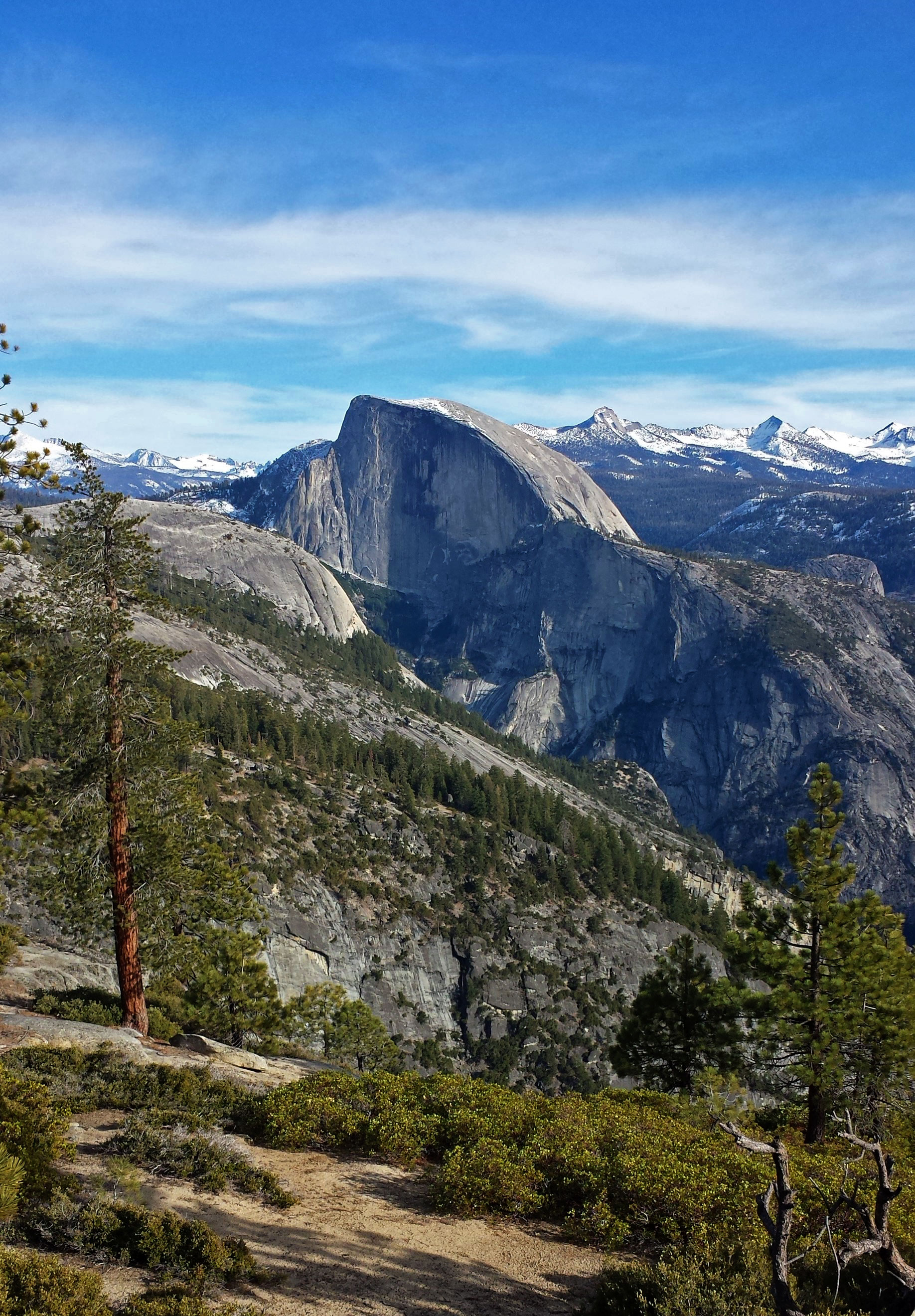
Yosemite is a backpacking legend, home to a huge slice of the John Muir Trail and endless high-country routes through granite basins and wildflower meadows. A trip into Yosemite National Park can take you over Donohue Pass, along the Clark Range, or deep into the quiet northern wilderness. Wilderness permits are required and competitive, so apply early and store food in bear canisters throughout California's Sierra Nevada.
Rocky Mountain National Park, Colorado
Rocky Mountain packs high-alpine backpacking into an accessible package, with routes climbing past timberline to tundra lakes and 13,000-foot peaks. Backpacking in Rocky Mountain National Park means acclimating to altitude, watching for afternoon storms, and reserving a wilderness permit for designated sites. Loops through the Wild Basin and around Longs Peak reward strong hikers with some of Colorado's finest high country.
Glacier National Park, Montana
Glacier offers arguably the most scenic backpacking in the lower 48, with trails threading past turquoise lakes, hanging valleys, and glacier-clad peaks. A journey through Glacier National Park along routes like the Gunsight Pass or North Circle traverse is unforgettable. This is grizzly country in Montana, so carry bear spray, make noise, and follow all food-storage rules at backcountry campgrounds.
Grand Teton National Park, Wyoming
Grand Teton delivers dramatic backpacking right beneath its iconic skyline. The Teton Crest Trail is a bucket-list route, linking flower-filled basins, high divides, and views of the peaks from every angle. A backcountry trip in Grand Teton National Park requires a permit, and much of the reservation quota is released each year, so plan ahead and be ready for alpine weather.
How do you get a backcountry permit?
Most premier parks require a wilderness permit for overnight trips, often through a lottery or reservation system released months in advance, with a limited number of walk-up permits. Requirements, quotas, and fees vary by park and change every year. Before committing to a route, check the current-year rules for permits, food storage, and campsite reservations so your trip stays legal and hassle-free.
What should you pack for a backpacking trip?
Bring a properly fitted pack, a reliable shelter, a warm sleeping system, and a stove with enough fuel. Pack layers for cold nights at altitude, rain protection, a water filter, a map and compass, and an approved bear canister where required. Break in your boots beforehand, tell someone your itinerary, and always carry more calories and water treatment than you think you will need.
FAQ
Which national park is best for beginner backpackers?
Rocky Mountain and Grand Teton offer well-marked trails and shorter loop options that suit newer backpackers, though altitude requires respect. Start with a one-night trip before attempting longer routes.
Do I need a permit to backpack in national parks?
Most parks require a wilderness permit for overnight trips, and popular ones are competitive. Check the current-year rules for each park and apply as early as the system allows.
When is the best season to backpack?
Mid-summer through early fall is ideal in most mountain parks, once snow clears from high passes. Conditions vary yearly, so confirm trail and snow status before you go.Backcountry safety in the parks
Backpacking rewards preparation and respect for the wilderness. Study your route, note water sources and bail-out points, and check the forecast before you leave, since mountain weather can turn violent within minutes. In bear country, cook and store food well away from your tent and keep a clean camp. Pace yourself at altitude, drink steadily, and turn back if a storm builds or someone in your group struggles. Practicing Leave No Trace, packing out all trash, and camping only in permitted zones keeps these landscapes wild for the backpackers who follow. A little planning turns a hard trip into a great one.