
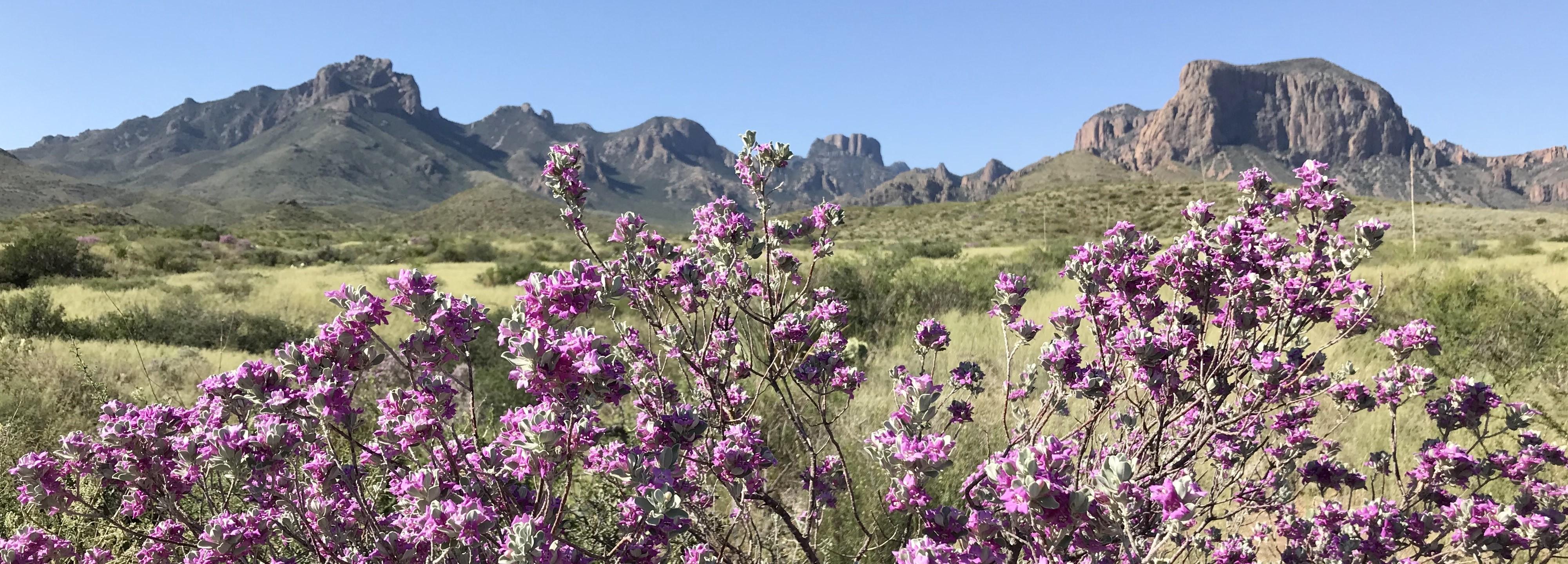
The best national parks in March are the warm, low-elevation desert and subtropical parks where spring arrives early and summer crowds have not. March is a genuine sweet spot for park travel: southern deserts warm into the comfortable 70s, early wildflowers appear, and many parks still sit in their quiet shoulder season before the summer rush. This guide covers where to go, what the weather is really like, and how to plan a comfortable early-spring trip.
Which national parks are best to visit in March?
March rewards travelers who head south and low. Big Bend National Park in Texas is arguably the standout, with mild days, blooming ocotillo, and far fewer visitors than its spring-break peak later in the month. Death Valley National Park in California is at its most pleasant in March, before the punishing summer heat, and a wet winter can trigger a rare wildflower bloom. Farther south, Everglades National Park is in the heart of its dry season, making wildlife easy to spot along the boardwalks. Joshua Tree and Saguaro round out a strong desert lineup.
What is the weather like in the parks in March?
Weather in March varies enormously by elevation and latitude. Desert parks like Big Bend and Death Valley typically see daytime highs in the 70s and 80s with cool, sometimes near-freezing nights, so layers are essential. The Everglades stays warm and humid with low mosquito pressure during the dry season. High-elevation and northern parks such as Rocky Mountain, Yellowstone, and Glacier remain deep in winter, with heavy snow, closed roads, and limited access. Checking road and facility status before you go matters more in March than almost any other month.
What should you pack and plan for a March trip?
Pack for a wide temperature swing. Mornings can start near freezing and afternoons can feel like early summer, so bring moisture-wicking layers, a warm insulating layer, sun protection, and plenty of water. Desert sun is intense even when the air feels mild. If you plan to camp, a three-season sleeping bag rated to at least 30 degrees is wise. Because spring-break weeks fall in March, book campsites and lodges well ahead, and always verify current-year permit, reservation, and fee rules, which change annually.
How do you avoid spring-break crowds in March?
The biggest planning challenge in March is spring break, which pushes families into the most popular parks during specific weeks. To sidestep the crush, travel mid-week, arrive at trailheads and entrance stations early, and consider lesser-known parks such as Big Bend, Guadalupe Mountains, or Congaree instead of marquee destinations. Sunrise starts not only beat the crowds but also give you the best desert light and cooler hiking temperatures.
FAQ
Is March a good time to visit national parks?
Yes, March is an excellent time to visit warm, low-elevation parks in the Southwest and Southeast. High-elevation and northern parks, however, are still firmly in winter with limited access.
Which national park has wildflowers in March?
After a wet winter, Death Valley can produce a spectacular wildflower bloom in March, and Big Bend's desert plants often begin flowering as well.
Are national parks crowded during March spring break?
Popular parks can be very busy during spring-break weeks. Traveling mid-week, starting early, and choosing quieter parks all help you avoid the heaviest crowds.
Do I need reservations for national parks in March?
Some parks require timed-entry or camping reservations during busy periods. Always check the current-year rules for your specific park before you travel, as these change annually.Where should first-time March visitors start?
If this is your first March park trip, start with a single warm-weather destination rather than a multi-park loop. Big Bend and Saguaro both reward a relaxed three-day visit, with easy scenic drives, ranger programs, and short desert hikes that suit families and beginners. Basing yourself in one park lets you settle into the rhythm of early sunrises and cool evenings without long transfer drives, and it leaves room to adjust plans around the wide March temperature swings.