
The best national parks for kids pair jaw-dropping scenery with short, safe trails, hands-on ranger activities, and easy-to-spot wildlife that keeps young explorers engaged. A great family park is less about mileage and more about wonder, comfort, and pacing. This guide highlights the most family-friendly parks, the programs and features that make them work for children, and how to plan a trip that keeps everyone happy from the first overlook to the last campfire.
Which national parks are best for kids?
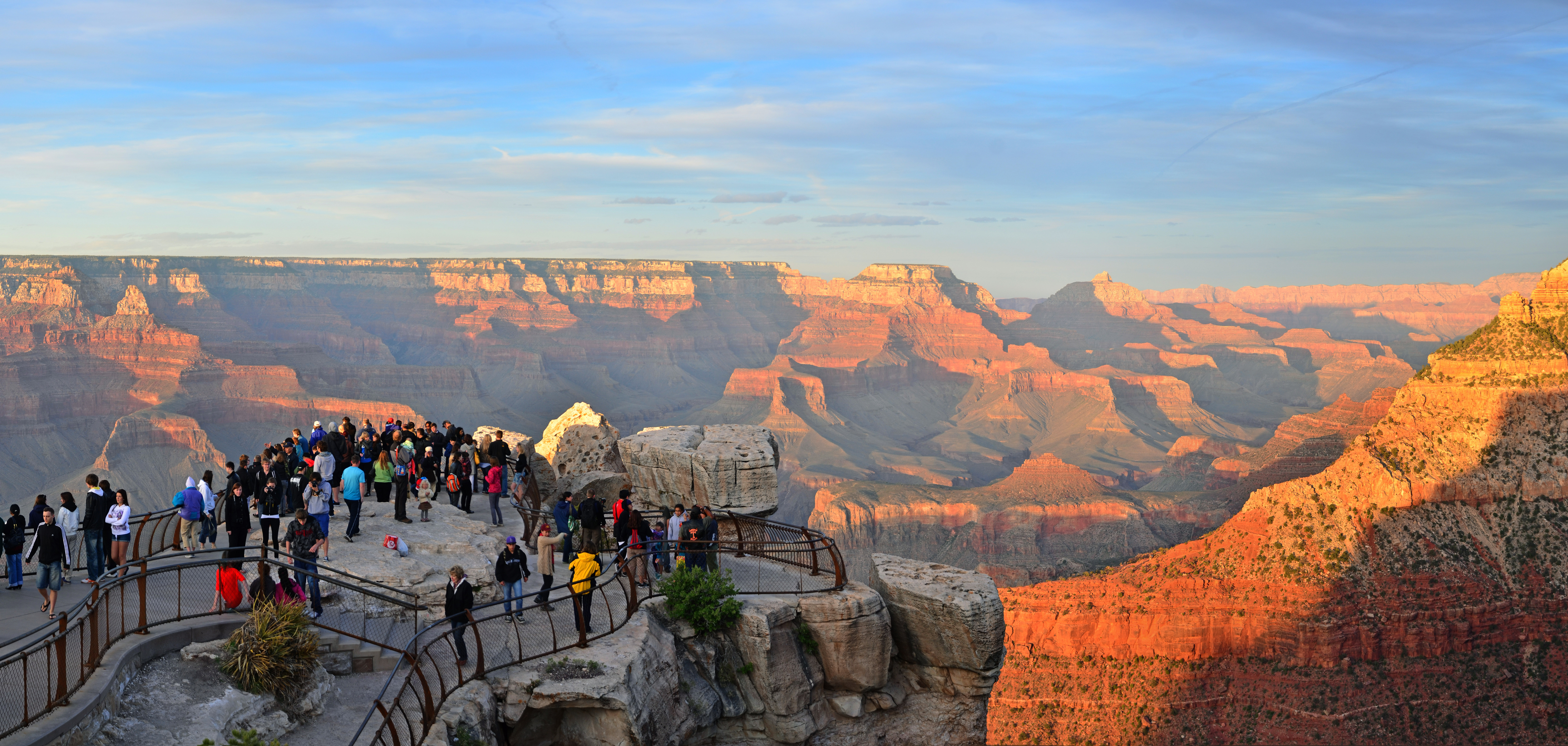
Grand Canyon National Park in Arizona wows children with its sheer scale, paved rim trails, and a shuttle system that keeps driving to a minimum. Yellowstone National Park in Wyoming feels like a living science museum, with geysers, bison, and boardwalks that fascinate all ages. Acadia National Park in Maine offers gentle carriage roads, tide pools, and an easy summit drive, while the Everglades delivers unforgettable alligator sightings from safe boardwalks.
What makes a park family-friendly?
The best family parks share a few things: short, flat, well-marked trails; frequent restrooms and picnic areas; shuttle systems that reduce driving; and abundant, visible wildlife. Junior Ranger programs are a highlight almost everywhere, giving kids a booklet of activities and a badge to earn. Visitor centers with interactive exhibits and ranger-led talks add structure to the day and give little legs a break while keeping curiosity high.
How do you plan a park trip with children?
Pacing is everything with kids. Plan one or two short activities per day rather than an exhausting itinerary, and build in downtime for snacks, play, and rest. Pack plenty of water, sun protection, and layers, and keep a close eye on children near cliffs, water, and wildlife, where curiosity can outrun caution. Booking lodging or campsites well ahead reduces stress, and checking current-year reservation and shuttle rules before you go prevents surprises, since these change annually.
How do you keep kids engaged and safe?
Turn the visit into an adventure. Sign kids up for the Junior Ranger program on arrival, bring binoculars for wildlife, and let children help spot signs and lead short trails. Teach the basics of staying on paths, keeping distance from animals, and never approaching cliff edges. Frequent snacks, a familiar comfort item, and realistic expectations go a long way. The goal is a sense of wonder, not a checklist of summits, so celebrate small discoveries.
Where should first-time families start?
If this is your family's first national park trip, choose one park with a compact core of easy attractions rather than a sprawling road trip. The Grand Canyon's South Rim, Acadia's loop road, or Yellowstone's geyser boardwalks all deliver big scenery with minimal walking and plenty of ranger support. Stay two or three nights so you are not rushing, use park shuttles to avoid parking stress, and let the Junior Ranger program shape your days. Starting simple builds happy memories and sets kids up to love the parks for years to come.
FAQ
What is the best national park for young kids?
The Grand Canyon, Yellowstone, and Acadia are top picks, offering short paved trails, shuttles, ranger programs, and easy wildlife viewing suited to young children.
What is the Junior Ranger program?
It is a free activity program where children complete a booklet of park-based tasks, then earn an official Junior Ranger badge, available at nearly every national park.
Are national parks safe for children?
Yes, with supervision. Keep kids away from cliff edges, water, and wildlife, stay on marked trails, and carry water and sun protection for a safe visit.
How many days should a family spend in a national park?
Two to three nights is ideal for families, allowing a relaxed pace with short daily activities and enough downtime to keep children happy and rested.