
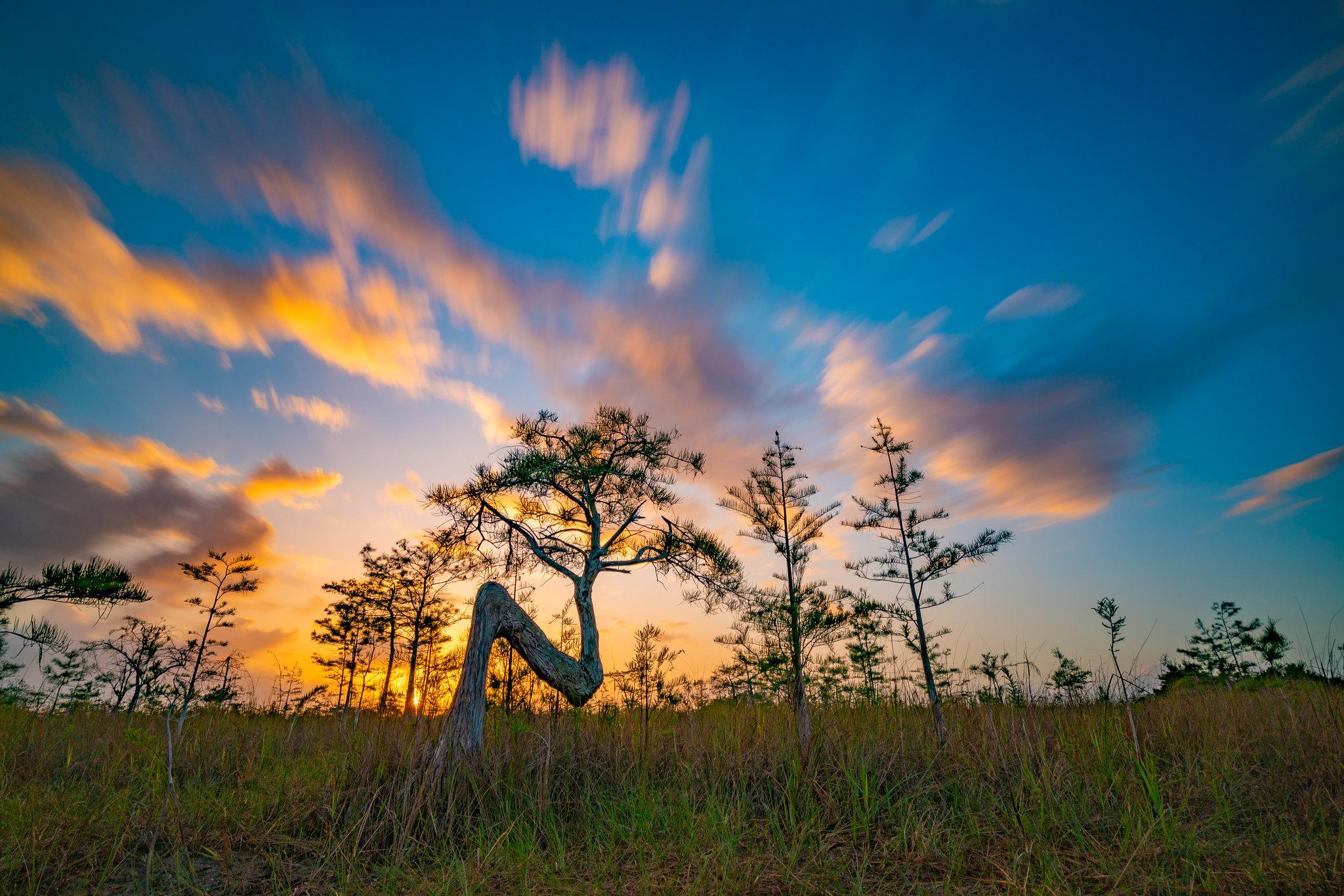
The best national parks in January reward travelers who do not mind trading summer crowds for crisp air, and in many cases for glorious winter sunshine. January is peak season in the warm southern deserts and subtropics, where wildlife is active and skies are clear, while the snowy parks of the West and the canyons of Utah turn into serene, frosted wonderlands. Here is where to point your winter trip and exactly what to expect when you get there.
Which warm parks are best in January?
For guaranteed sunshine, head to South Florida, where Everglades National Park hits its stride in the dry season. Wildlife concentrates around shrinking water holes, mosquitoes are minimal, and alligators and wading birds are everywhere you look. Out west, Death Valley National Park is at its most pleasant in January, with mild days perfect for exploring salt flats and canyons that would be deadly in summer. Both parks trade summer misery for some of the best conditions all year.
What about desert parks in the Southwest?
January is a wonderful, quiet time in the Sonoran and Mojave deserts. Saguaro, Joshua Tree, and Big Bend all enjoy cool, comfortable daytime temperatures and cold, star-filled nights ideal for camping and photography. Trails that bake in summer become inviting, and crowds thin out dramatically after the holiday week. Layer up for chilly mornings, and remember that desert nights can drop below freezing even when afternoons feel like spring.
Which parks are best for snow in January?
If you love winter landscapes, Bryce Canyon is magical, its orange hoodoos dusted white against deep blue skies. Yellowstone offers world-class wildlife watching and snowcoach tours, while Yosemite Valley is quieter and framed by frozen waterfalls. These parks require winter driving skills, tire chains, and careful planning, since many roads and facilities close or run on reduced schedules. Always check current-year road and closure updates before you go.
How cold does it get in the winter parks?
Temperatures vary enormously by elevation and region. The Everglades and Death Valley enjoy comfortable 60s and 70s by day, while Southwest deserts swing from pleasant afternoons into freezing nights. Snowy parks like Bryce, Yellowstone, and Yosemite can plunge well below freezing, especially after dark, with deep snowpack at higher elevations. Pack a warm sleeping system for camping, insulated layers for the mountains, and sun protection everywhere, since winter glare off snow and salt flats is surprisingly strong.
How do you handle winter park travel?
Winter trips reward preparation. Pack layers, traction devices, and plenty of water, and start hikes early to make the most of short daylight. Confirm which roads, visitor centers, and campgrounds are open, as January schedules are often limited. In snowy parks, carry chains and know how to use them, and never rely on cell service for navigation. A flexible itinerary helps you adapt when storms roll through.
Which park should you choose?
If you want warmth and wildlife, choose the Everglades or Death Valley. If you want dramatic desert scenery with cool hiking weather, aim for the Southwest deserts and read our Florida national parks guide for a sunny itinerary. If you dream of snow and solitude, Bryce, Yellowstone, or Yosemite deliver unforgettable winter magic. There is no wrong answer in January, only a choice between sun and snow.
FAQ
What is the best national park to visit in January?
For warmth and wildlife, the Everglades and Death Valley are hard to beat, while Bryce Canyon and Yellowstone top the list for snowy scenery. Your ideal pick depends on whether you want sun or snow.
Are national parks open in January?
Most parks stay open, but many high-elevation roads and facilities close or run reduced hours in winter. Always check current-year conditions and closures before you travel.
Is January a good time to avoid crowds?
Yes. After the New Year holiday, January is one of the quietest months in most parks, especially warm desert destinations, making it excellent for solitude.