
The best national parks in October reward visitors with blazing fall foliage, crisp air, thinning summer crowds, and comfortable temperatures for hiking. October is one of the finest months to explore, as eastern forests turn gold and crimson while western deserts cool into their prime season. This guide covers where to go for peak color, which parks shine in autumn, and how to plan around weather and early closures so you catch the season at its absolute best.
Why is October a great month for national parks?
October brings cooler days, fewer visitors than the summer peak, and dramatic seasonal color across much of the country. Wildlife becomes more active ahead of winter, deserts turn pleasant for daytime hiking, and mountain forests explode with fall foliage. Lodging is often easier to book than in July, and popular trails feel calmer. The trade-off is shorter daylight and the first snows at high elevations, so timing and flexibility matter.
Where can you see the best fall foliage?
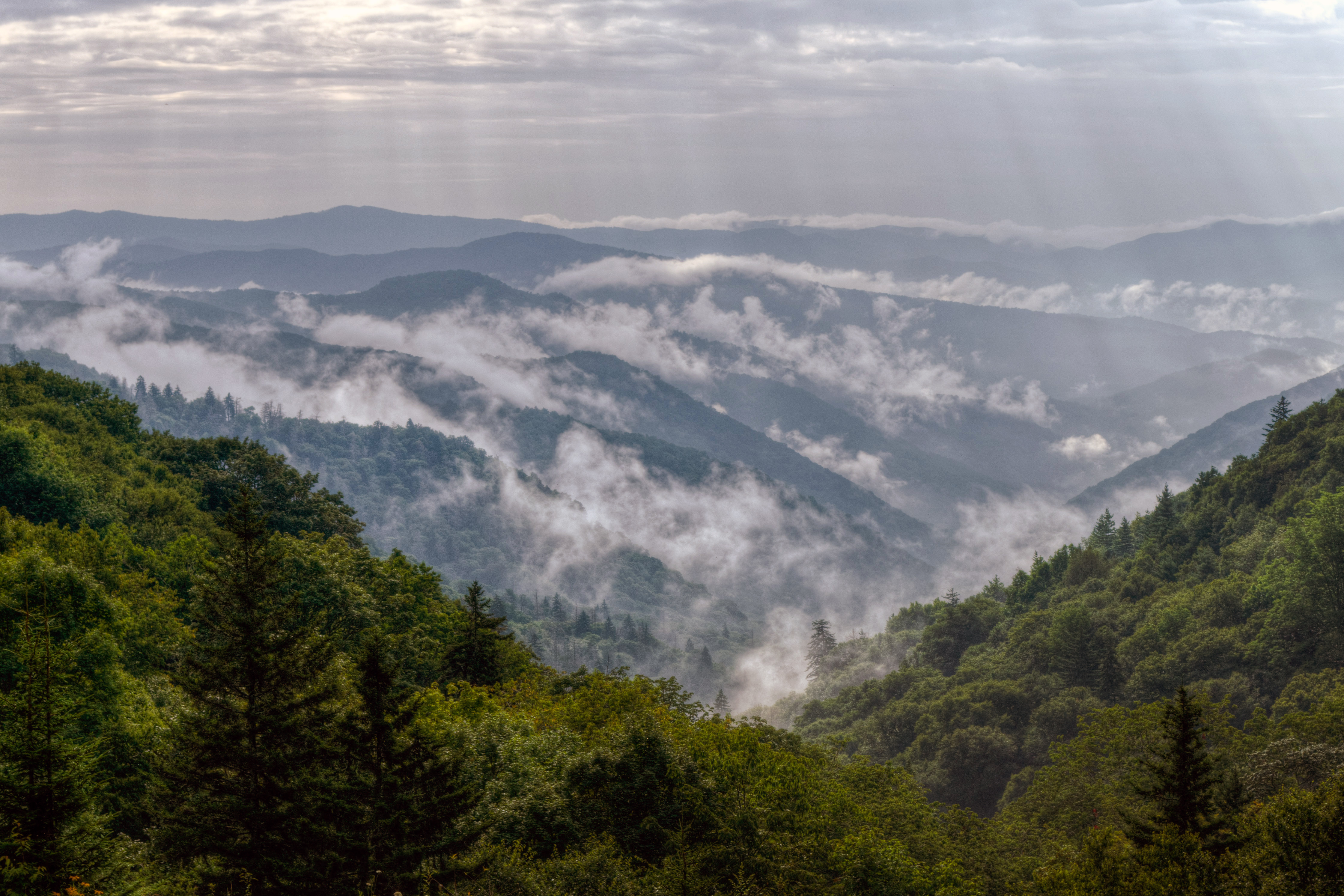
Great Smoky Mountains National Park, straddling Tennessee and North Carolina, delivers some of the country's most spectacular autumn color, with waves of gold and red rolling across the ridges through October. Shenandoah National Park lights up along Skyline Drive, while Acadia National Park in Maine pairs coastal views with brilliant foliage.
Which western parks shine in October?
Desert and canyon parks hit their stride as summer heat fades. Arches National Park offers comfortable hiking temperatures and golden evening light on its sandstone. Rocky Mountain National Park in Colorado shows off golden aspens early in the month, though high roads may close with the first heavy snow, so plan for changing conditions.
What weather should you expect in October?
Expect wide temperature swings: warm afternoons and chilly mornings in the desert, and cold, sometimes snowy conditions at elevation. Eastern parks stay mild but can turn rainy, while high mountain roads may begin seasonal closures. Pack layers, rain protection, and traction for early snow. Always check the current-year rules for road and facility closures, since autumn schedules shift each year and can change your plans quickly.
How do you plan around fall crowds?
Foliage weekends draw big crowds to popular eastern parks, so visit midweek and start early to secure parking at overlooks. Book lodging and campsites ahead for peak color, which usually moves from high elevations downward through the month. Track foliage reports to time your visit, and keep a flexible backup park in mind in case color peaks earlier or later than expected.
When does peak color usually happen?
Peak foliage generally begins at higher elevations in early October and works its way down to valleys by late month, though exact timing varies each year with temperature and rainfall. Western aspens often peak in the first two weeks. Because conditions change annually, check current foliage trackers and the current-year rules for park access before finalizing your dates.
FAQ
What is the best national park to visit in October?
Great Smoky Mountains is a top October pick for its spectacular foliage, but Shenandoah, Acadia, and Arches also shine. Choose eastern parks for color and western deserts for crisp, comfortable hiking weather.
Are national parks less crowded in October?
Generally yes, especially midweek, though foliage weekends in eastern parks can be busy. Overall, October sees fewer visitors than summer, with easier lodging and calmer trails outside peak color periods.
Do roads close in national parks in October?
High-elevation roads may begin seasonal closures with early snow. Always check the current-year rules for specific parks, since closure dates shift annually based on weather and can affect access to overlooks and trailheads.