
The best national parks for RV travel combine spacious campgrounds, scenic loop drives, and easy access to marquee sights without white-knuckle mountain roads. If you are planning a road trip in a motorhome or towable, the smartest picks offer level sites, dump stations, and nearby services that keep the journey comfortable. This guide covers where RVers should point the rig, what to know about hookups and size limits, and how to plan a route that flows from one unforgettable park to the next.
What makes a national park good for RVs?
RV-friendly parks offer campgrounds with pull-through or back-in sites long enough for larger rigs, plus dump stations and potable water. Gentle, well-graded roads matter, since some parks have tunnels, tight switchbacks, or length limits that exclude big motorhomes. Nearby gateway towns with fuel, groceries, and full-hookup private parks fill the gaps when in-park sites lack electricity. The best options balance scenery with practical amenities so you can relax at camp after a day of exploring.
Which park is ideal for a first RV trip?
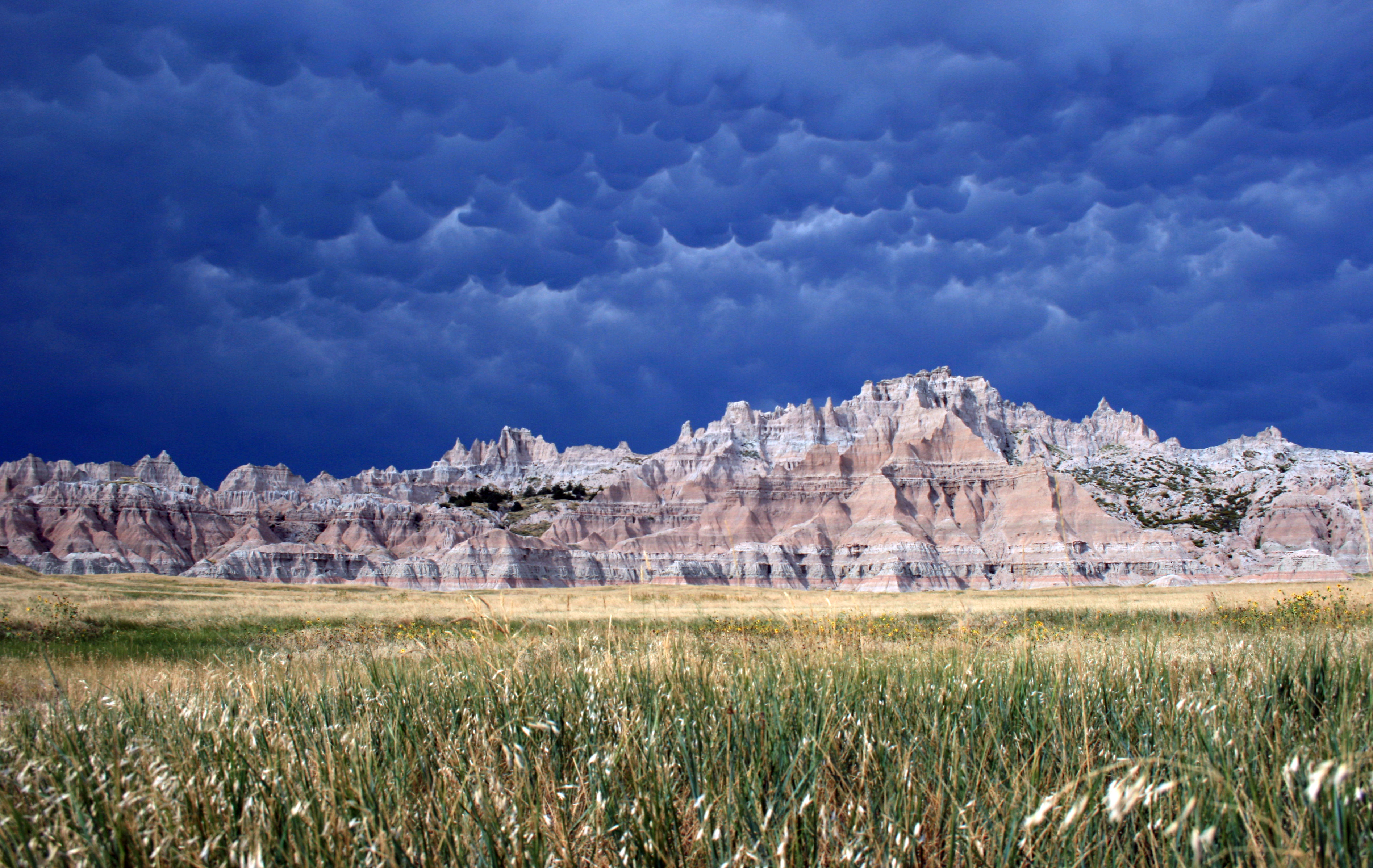
Badlands National Park in South Dakota is a fantastic RV destination, with a scenic loop road, wildlife-rich prairies, and campgrounds that welcome larger rigs. The drive is smooth and dramatic, sunsets over the buttes are spectacular, and nearby towns offer full services. It makes an easy, rewarding stop on a cross-country route and pairs well with other western parks.
Where can RVers find the best campgrounds?
Yellowstone National Park offers several campgrounds, including one with full hookups, though larger sites book far in advance. Grand Canyon National Park in Arizona has RV-friendly campgrounds near the South Rim, while Arches National Park pairs with nearby private parks that handle bigger motorhomes and towables comfortably.
What size and hookup limits should you expect?
Many park campgrounds have length limits, and full hookups are the exception rather than the rule inside parks. Expect to rely on dump stations and fresh-water fill-ups rather than sewer connections at each site. Some scenic roads restrict vehicle length or ban trailers on certain segments. Always check the current-year rules for site lengths, hookups, and road restrictions before you arrive, since these change annually.
How should you plan an RV park route?
Book campgrounds early, cluster nearby parks to limit long driving days, and plan fuel and dump stops between destinations. Keep daily mileage modest so you can enjoy the parks rather than the road, and build in a rest day between big drives. Reservation systems for in-park campgrounds open months ahead, so mark those dates and be ready the moment bookings go live.
When is the best season for RV park trips?
Late spring through early fall offers the widest range of open campgrounds and roads, though summer brings crowds and heat in desert parks. Shoulder seasons deliver mild weather and easier reservations. High-elevation parks may keep facilities closed into early summer, so check the current-year rules for campground and road openings, since seasonal timing shifts each year and affects availability.
FAQ
Can big RVs fit in national park campgrounds?
Some can, but many park campgrounds have length limits and few full-hookup sites. Larger rigs often stay at nearby private parks and visit during the day. Always check site lengths and the current-year rules before booking.
Do national parks have RV hookups?
Full hookups are uncommon inside parks. Most campgrounds offer dump stations and water fill-ups rather than sewer or electric at every site, so plan to boondock or use nearby private campgrounds for hookups.
Should you tow a car behind your RV?
A towed vehicle or bikes help you explore park roads and trailheads without moving the whole rig. This is especially useful where parking is tight or shuttle systems limit large vehicles.