
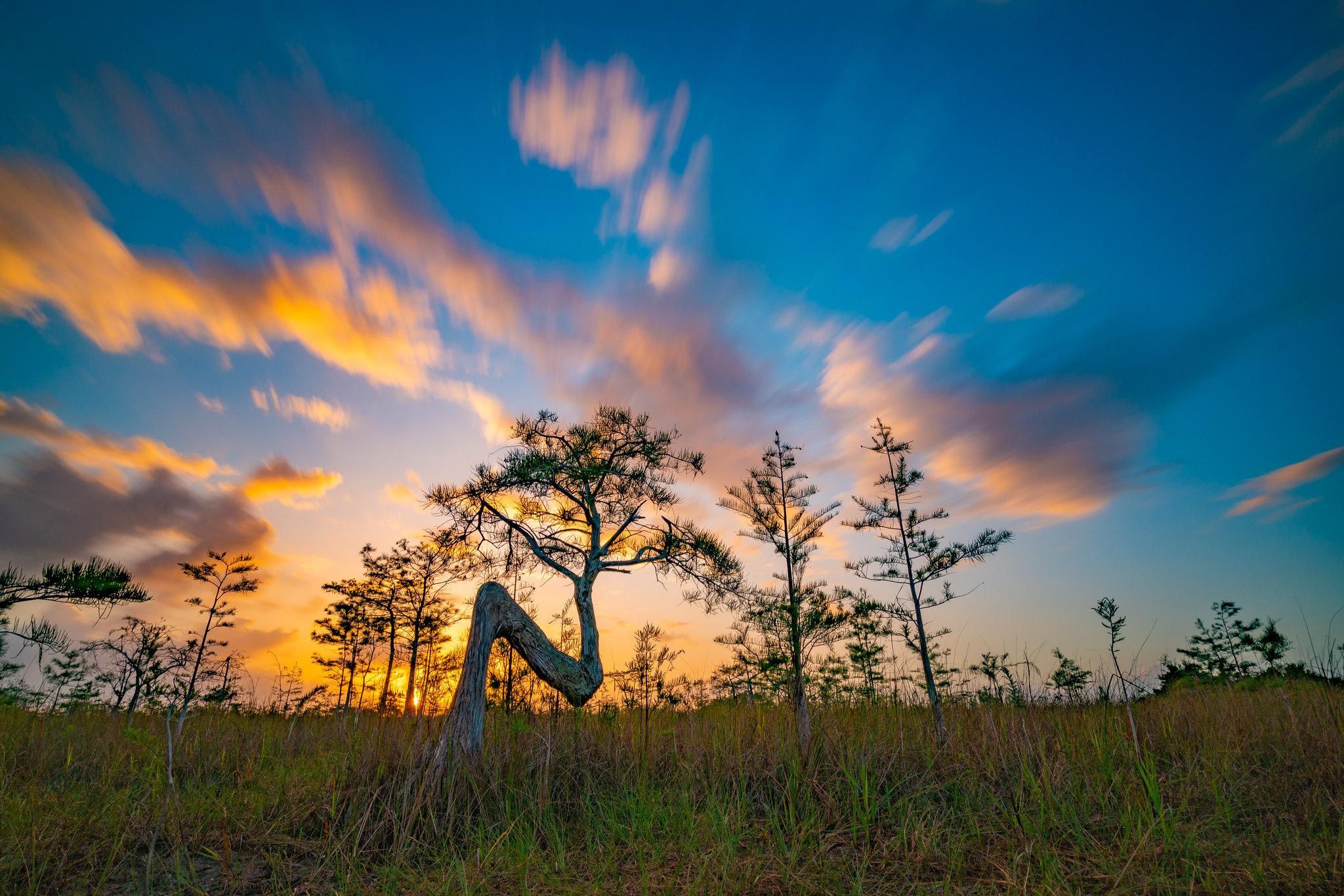
The best national parks in February split into two camps: warm southern parks that make an ideal winter escape, and snowy northern parks built for winter sports and quiet, crowd-free scenery. February is a genuinely great month to travel, with mild desert and subtropical weather, dramatic snowscapes, and some of the lowest visitor numbers of the year. This guide covers where to go for sun or snow, what weather to expect, and how to plan a smooth off-season trip.
Which national parks are best to visit in February?
For warmth, head south. Everglades National Park in Florida is at the heart of its dry season, concentrating alligators, wading birds, and other wildlife along accessible trails and boardwalks. Big Bend National Park in Texas offers warm, sunny days perfect for desert hiking, while Death Valley National Park in California is pleasantly mild before its brutal summer. For snow, parks like Yosemite, Yellowstone, and Bryce Canyon deliver stunning winter landscapes and activities such as snowshoeing and cross-country skiing.
What is the weather like in February?
February weather is defined by contrast. Southern parks such as the Everglades, Big Bend, and Death Valley enjoy comfortable daytime highs from the 60s to the 70s with cool nights and low humidity. Northern and high-elevation parks remain firmly in winter, with snow, ice, cold temperatures, and many closed roads. Even in the desert, nights can drop near freezing, so plan for a wide daily temperature range no matter where you go.
What should you pack for a February trip?
Pack for the specific park and its elevation. Warm-weather parks call for breathable layers, sun protection, and a warm layer for chilly mornings and evenings. Snowy parks require insulated, waterproof clothing, traction devices such as microspikes, and careful attention to road conditions and tire requirements. Whatever the destination, check current-year facility hours, road status, and any reservation or permit rules before you go, since winter services are often reduced and rules change annually.
How do you take advantage of February crowds and rates?
February is one of the quietest months in most parks, which is a major advantage. Popular trails and viewpoints that are packed in summer can feel empty, wildlife is often more active in the cool weather, and off-season lodging rates are frequently lower. The trade-offs are shorter daylight, reduced ranger programming, and some closed facilities. Planning around limited winter hours and carrying extra supplies lets you enjoy the solitude safely.
Where should first-time February visitors start?
If February is your first off-season park trip, choose one destination that matches the experience you want. For guaranteed warmth and easy wildlife viewing, the Everglades or Big Bend make relaxed, family-friendly bases with short trails and scenic drives. For a classic winter-wonderland trip, a few days around Yosemite Valley or Bryce Canyon offer snow-draped scenery without demanding technical skills. Keep your itinerary flexible for weather, start hikes early to use the limited daylight, and confirm which roads and visitor centers are open before you arrive so the shorter winter schedule never catches you off guard.
FAQ
Is February a good time to visit national parks?
Yes. February is excellent for warm southern parks and for snowy winter scenery, and it brings some of the smallest crowds of the year at many popular destinations.
Which national park is warmest in February?
South Florida parks like the Everglades and Biscayne are among the warmest, along with desert parks such as Big Bend and Death Valley in the Southwest.
Are national parks less crowded in February?
Yes. February is one of the quietest months at most parks, offering solitude on trails and often lower off-season lodging rates.
Do national parks require reservations in February?
Most timed-entry systems pause in winter, but some parks still require permits or have reduced services. Always check the current-year rules before you travel.