
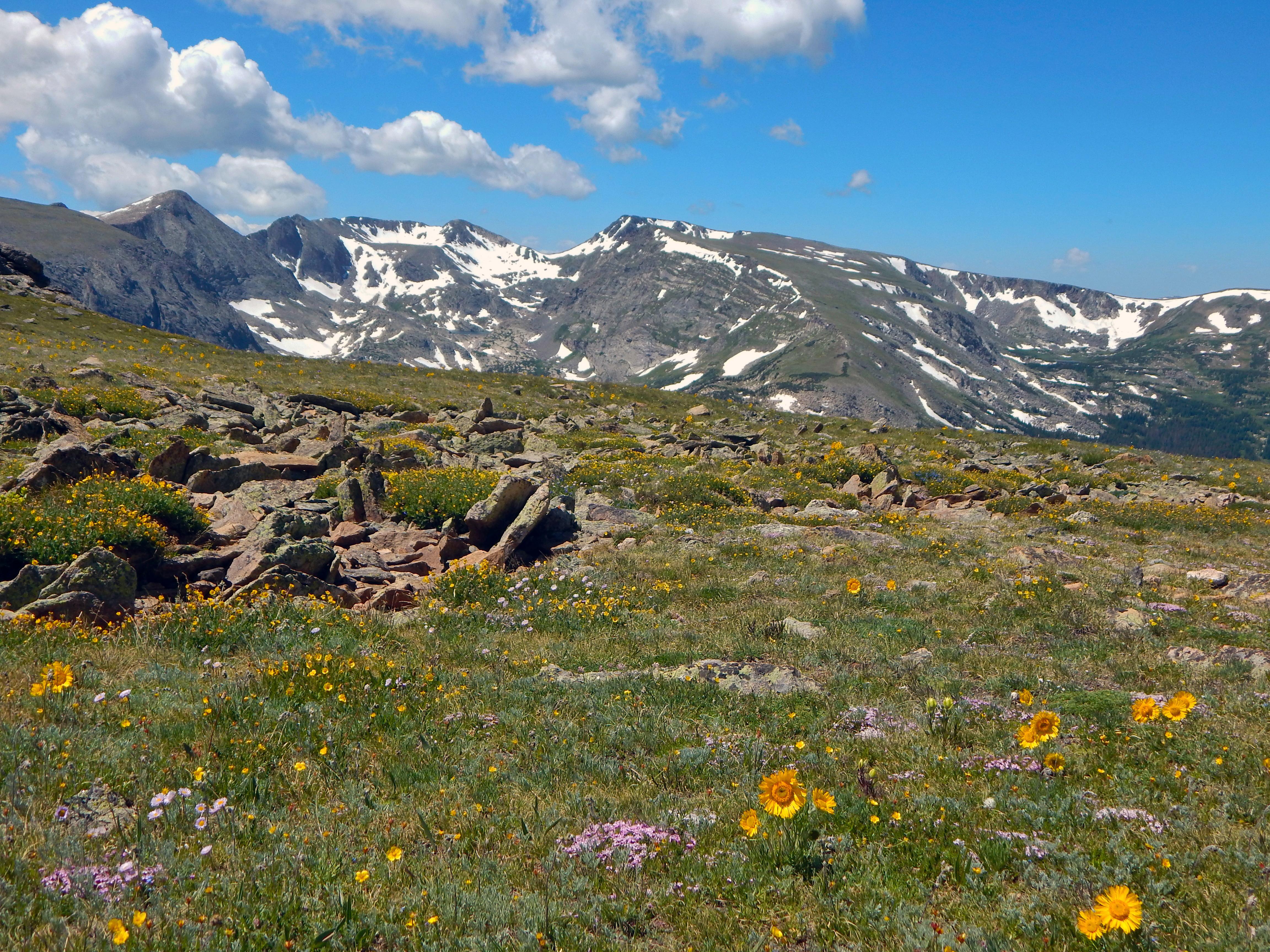
The best hikes in Rocky Mountain National Park range from gentle lakeside strolls to lung-busting climbs above the tree line, offering something for every ability in one of Colorado's most beloved parks. With more than 350 miles of trails, alpine lakes, and 13,000-foot peaks, choosing where to go can be overwhelming. This guide highlights the top trails, what makes each special, and how to hike safely at high altitude.
Emerald Lake Trail
The Emerald Lake Trail is the park's signature day hike, passing three stunning alpine lakes, Nymph, Dream, and Emerald, in under two miles each way. It starts from the busy Bear Lake trailhead in Rocky Mountain National Park and delivers postcard views with modest effort. Because it is so popular, arrive early or use the park shuttle, and expect a timed-entry permit during peak season in Colorado.
Sky Pond via the Loch
Sky Pond is a classic Colorado adventure, climbing past Alberta Falls, the Loch, and the scramble beside Timberline Falls to a dramatic tarn ringed by jagged spires. At roughly nine miles round trip with significant elevation gain, it rewards fit hikers with some of the finest scenery in the park. Bring layers and start early to beat the near-daily afternoon thunderstorms that build over the high country.
Longs Peak
Longs Peak is the park's only fourteener and a serious undertaking, gaining nearly 5,000 feet over about 15 miles round trip via the Keyhole Route. It involves exposed scrambling and demands an alpine start, typically before 3 a.m., to summit and descend before storms roll in. Only experienced, well-acclimated hikers should attempt it, and turning around when weather threatens is always the right call.
Deer Mountain
For a rewarding but more moderate summit, Deer Mountain climbs about six miles round trip to sweeping views of the Continental Divide and Longs Peak. It gains a manageable amount of elevation and works well for hikers acclimating to altitude early in a trip. The panorama from the top rivals far harder hikes, making it a favorite for families and first-timers seeking a summit.
Alberta Falls and Bear Lake
If you want maximum scenery for minimal effort, the short walk around Bear Lake and the easy stroll to Alberta Falls are hard to beat. Both are family friendly, accessible, and ideal for a first day while your body adjusts to the elevation. These trails also connect to longer routes, so you can extend your hike if you feel strong.
When is the best time to hike?
Mid-summer through early fall offers the most reliable conditions, once snow melts from high trails, typically July through September. Afternoon thunderstorms are common, so plan to be below the tree line by noon. Fall brings golden aspens and elk bugling, while winter turns trails into snowshoe routes. Whenever you go, check the current-year rules for timed-entry reservations and trail conditions.
FAQ
What is the best hike in Rocky Mountain National Park?
The Emerald Lake Trail is the most popular for its stunning lakes and modest effort, while Sky Pond and Longs Peak reward stronger hikers seeking bigger adventures.
Do I need a permit to hike?
Day hiking does not require a wilderness permit, but the park uses timed-entry reservations for park access in peak season. Check the current-year rules before you visit.
How do I handle the altitude?
Acclimate with easy hikes first, drink plenty of water, and ascend gradually. Watch for headaches or nausea, and descend if symptoms worsen, since altitude affects everyone differently.Tips for hiking safely at altitude
Rocky Mountain sits high, with many trailheads starting above 9,000 feet and summits well over 12,000, so respect the elevation from the moment you arrive. Spend your first day on easy hikes to let your body adjust, and drink far more water than usual, since the dry air dehydrates you fast. Pack layers, sun protection, and rain gear, because weather can swing from sunshine to hail within minutes. Most importantly, plan to finish high-elevation and exposed hikes by early afternoon to avoid the lightning that builds nearly every summer day. Carry the ten essentials, tell someone your route, and never hesitate to turn back, because the mountain will always be there for another attempt.