
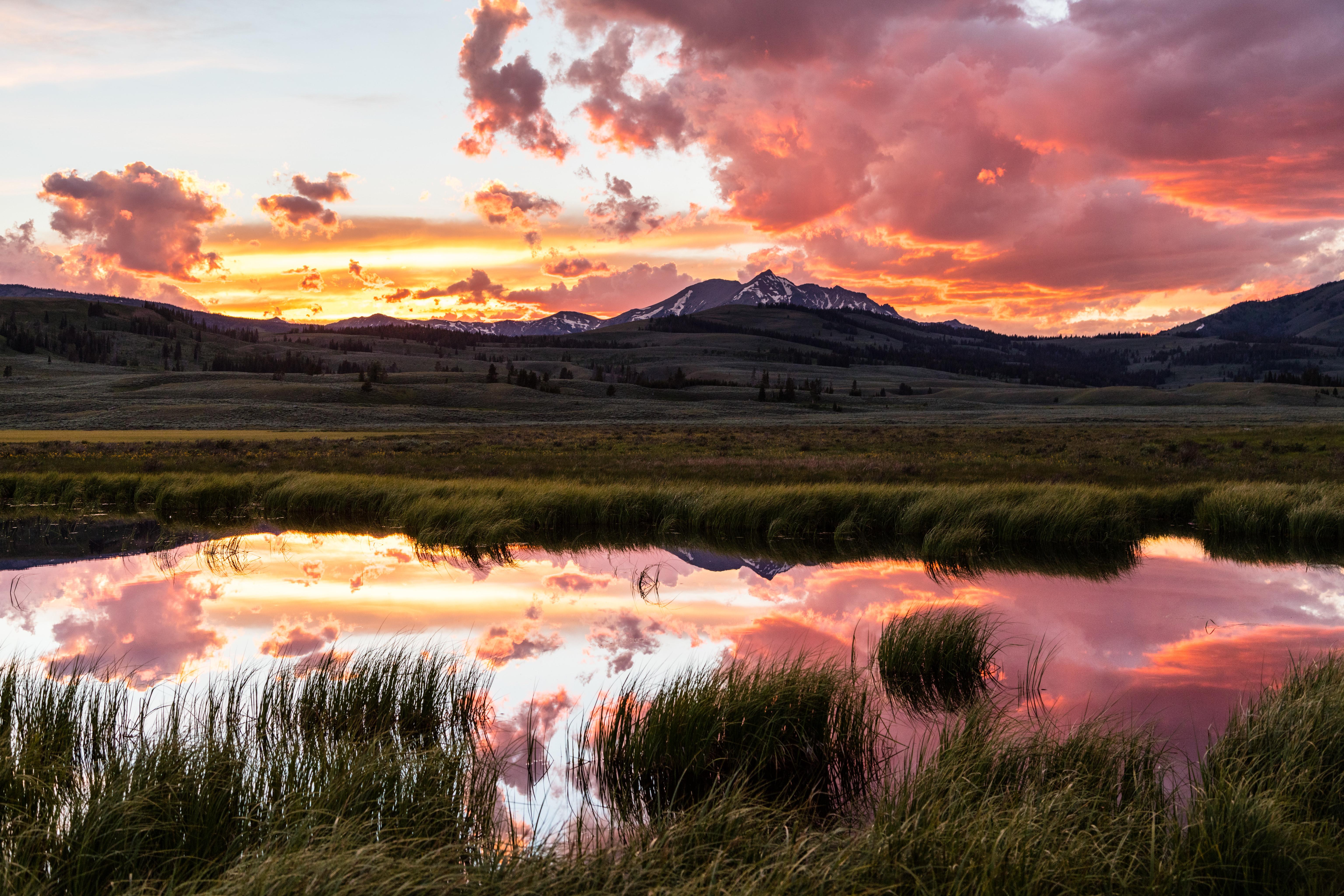
The best hikes in Yellowstone combine steaming geyser basins, thundering waterfalls, and wildlife-rich valleys across the world's first national park. Yellowstone is vast, so its trails are spread among distinct regions, from thermal boardwalks near Old Faithful to canyon rims and remote backcountry. This guide covers the top day hikes, wildlife and safety considerations, the best seasons, and how to plan a rewarding visit.
What are the best geyser and thermal hikes?
Yellowstone's geothermal features are the star attraction. The trail to the Fairy Falls area includes a short climb to the overlook above Grand Prismatic Spring, offering the iconic aerial-style view of its rainbow colors. Around Old Faithful, a network of paved paths and boardwalks in the Upper Geyser Basin lets you walk among the world's densest collection of geysers. Always stay on marked trails and boardwalks in Yellowstone National Park, since the ground near thermal features can be dangerously thin.
What are the best waterfall and canyon hikes?
The Grand Canyon of the Yellowstone is a highlight for hikers. Trails along the North and South rims lead to overlooks like Artist Point, while steep routes such as the Brink of the Lower Falls descend to the roaring waterfall's edge. For a bigger day with panoramic views, the climb up Mount Washburn rewards you with sweeping vistas and frequent bighorn sheep sightings. These hikes involve real elevation change, so pace yourself and carry water.
Where can you hike for wildlife?
For wide-open scenery and wildlife, head to the park's valleys. Trails in the Lamar Valley and around Hayden Valley pass through prime habitat for bison, elk, and, occasionally, wolves and bears viewed from a safe distance. The gentle hike to Trout Lake is a local favorite for its beauty and otter sightings. Dawn and dusk are the best times for wildlife, but they are also when predators are active, so stay alert and keep your distance.
How do you stay safe, and when should you go?
Yellowstone is bear country, so carry bear spray, make noise, and never approach wildlife; stay at least 100 yards from bears and wolves and 25 yards from bison and elk. Summer, from June through September, offers the most open trails, though it is busy. Late spring and early fall bring fewer crowds and active wildlife. Check current-year road, trail, and closure information before you go, and consider pairing your trip with nearby Grand Teton National Park on a wider Wyoming route.
What about longer and backcountry hikes?
Beyond the popular day hikes, Yellowstone offers a huge backcountry for those seeking solitude. Trails to destinations like the Sky Rim or the thermal wonders of the backcountry require preparation, navigation skills, and often a permit. Water crossings, long distances, and grizzly habitat make these trips serious undertakings. If you are new to the park, build confidence on the corridor day hikes first, then expand into quieter areas as you gain experience.
Which Yellowstone hike should you choose?
For thermal wonders, hike to the Grand Prismatic overlook or explore the Upper Geyser Basin. For waterfalls and canyon views, walk the rim trails to Artist Point or down to the Lower Falls. For wildlife, wander the Lamar or Hayden valleys. Match the hike to the season, your fitness, and your comfort in bear country.
FAQ
What is the most popular hike in Yellowstone?
The Fairy Falls trail to the Grand Prismatic overlook is among the most popular, thanks to its famous colorful view. The Upper Geyser Basin boardwalks near Old Faithful are the most-walked paths overall.
Do you need bear spray to hike in Yellowstone?
Bear spray is strongly recommended on all trails, since Yellowstone is home to both grizzly and black bears. Carry it accessibly, know how to use it, and make noise in dense or brushy terrain.
When is the best time to hike Yellowstone?
Summer offers the most open trails, while late spring and early fall bring fewer crowds and excellent wildlife viewing. Higher trails may hold snow into early summer, so check current-year conditions first.