
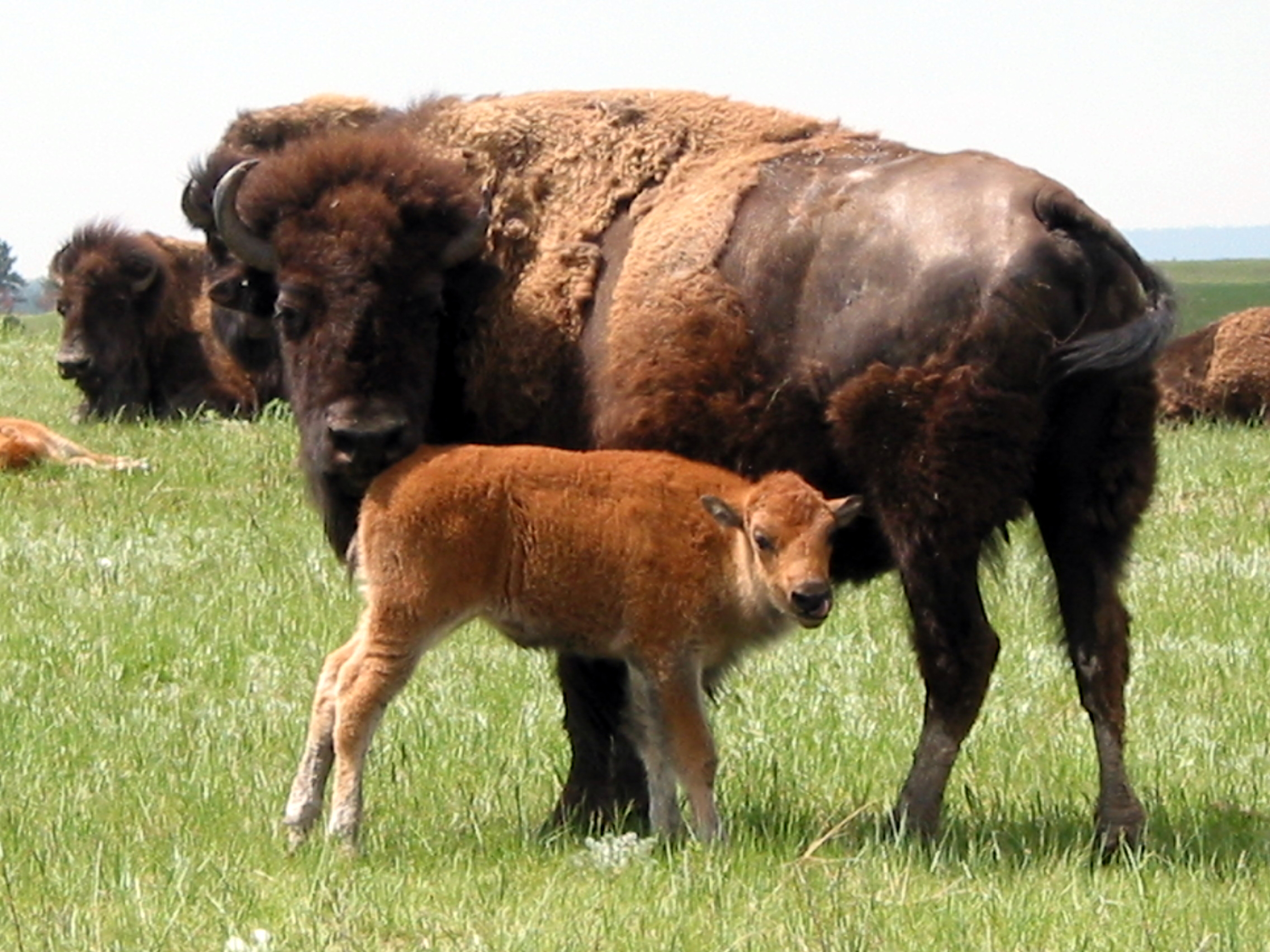
The best hikes in Wind Cave National Park nearly all happen above ground, where more than 30 miles of trails wind through mixed-grass prairie and ponderosa pine at the southern edge of South Dakota's Black Hills. While the cave itself is seen only on ranger-led tours, the surface offers everything from a one-mile lookout loop to an all-day trek across rolling grassland grazed by bison and elk. This guide covers the trails worth planning a day around.
Where are the best hikes in Wind Cave National Park?
Most trailheads sit along or just off US Highway 385 and SD Highway 87, which cross the park between Hot Springs and Custer. The visitor center anchors the southern trails, while the Rankin Ridge and northern trailheads branch from the scenic drive. The park connects to the surrounding Black Hills, so many hikers pair it with nearby stops. You can browse other national parks to build a wider Black Hills itinerary through South Dakota.
What is the best short hike in Wind Cave?
The Rankin Ridge Trail is the signature short hike: a 1.0-mile loop climbing to the park's highest point at 5,013 feet, where a historic fire lookout tower gives 360-degree views across the prairie and hills. Interpretive signs explain the fire ecology of the ponderosa forest. For an even easier option, the Prairie Vista Trail is a flat 1.0-mile loop right beside the visitor center, and the Elk Mountain Nature Trail near the campground runs about 1.0 mile through the transition between forest and grassland.
What are the best moderate hikes?
The Wind Cave Canyon Trail follows an old road for 3.6 miles round trip down a limestone canyon that is one of the park's top birding spots, with cliff swallows and woodpeckers on the rock walls. The Cold Brook Canyon Trail is a quieter 2.8-mile round trip that drops through a draw toward the park boundary and a prairie dog town. Both are good choices for spotting wildlife without committing to a full day, and both connect into the longer backcountry network.
What is the best long hike in Wind Cave National Park?
The Highland Creek Trail is the park's longest and most remote route, running roughly 8.6 miles one way and linking several other trails as it crosses creek bottoms, prairie, and pine ridges through the heart of the backcountry. Hikers can stitch it together with the Lookout Point and Centennial trails to form loops of varying length. The Centennial Trail itself continues far beyond the park into the Black Hills. Carry water and watch for bison, which frequently graze directly on these prairie paths. The open terrain here has a different feel from the eroded buttes of nearby Badlands National Park.
When is the best time to hike Wind Cave?
Late spring through early fall offers the best hiking, with wildflowers in June and cooler, golden prairie in September and October. Summer afternoons bring heat and thunderstorms, so start early and carry sun protection on the largely shadeless grassland trails. The park stays open year-round, and winter brings solitude but cold winds and occasional snow. In every season, give bison a wide berth of at least 25 yards, since they often stand on or beside the trails. Compare parks by state to time your visit.
FAQ
Can you hike inside Wind Cave?
No. The cave is one of the world's longest and is accessible only on ranger-led tours that follow developed, lit routes. All self-guided hiking in the park is on the surface trails across the prairie and forest above the cave.
How many miles of hiking trails does Wind Cave National Park have?
The park has more than 30 miles of maintained surface trails, from short interpretive loops like Rankin Ridge to the long Highland Creek Trail through the backcountry.
Do you need a permit to hike in Wind Cave National Park?
Day hiking requires no permit, but a free backcountry camping permit is needed to stay overnight in the wilderness area. Check the current-year rules with the park, as camping and tour reservation policies can change.
Are dogs allowed on Wind Cave trails?
No. Pets are not permitted on any hiking trails or in the backcountry; they are allowed only in developed areas such as the campground, parking lots, and along roads, and must be leashed. Browse more destinations by state if you are traveling with a dog.