
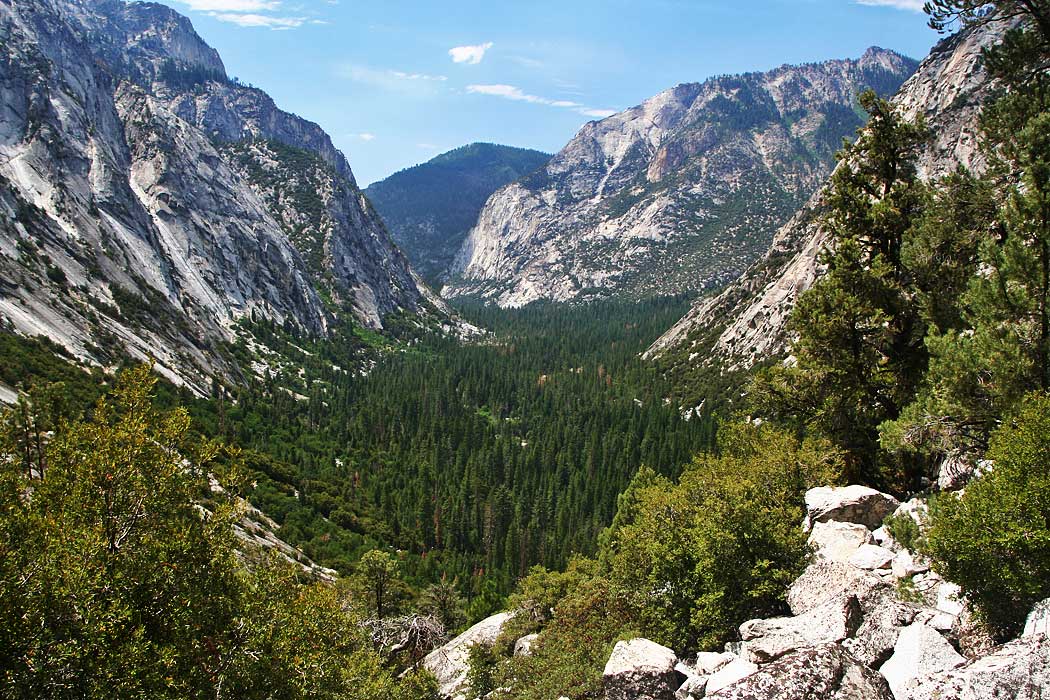
The best hikes in Sequoia take you among the largest trees on earth, up granite domes with sweeping views, and into high country dotted with alpine lakes. Sequoia National Park pairs beautifully with neighboring Kings Canyon, and its trails range from short, paved walks beneath giant sequoias to strenuous climbs above treeline. This guide covers the top hikes, how many days you need, the best seasons, and tips for a safe and memorable visit.
What are the best hikes among the giant sequoias?
Start in the Giant Forest, home to the world's largest trees. The paved trail to the General Sherman Tree, the biggest tree on the planet by volume, is a must, and the nearby Congress Trail loops quietly among towering giants with far fewer crowds. These gentle walks in Sequoia and Kings Canyon National Parks are perfect for families and offer an unforgettable sense of scale. Go early or late in the day for softer light and thinner crowds, and allow time to simply linger.
What are the best view hikes?
For panoramic reward with modest effort, climb the granite staircase up Moro Rock, where a short but steep set of steps leads to a dramatic overlook of the Great Western Divide. Nearby, the walk to Tokopah Falls follows the Marble Fork of the Kaweah River to a tall seasonal waterfall backed by granite cliffs. Both hikes deliver big scenery in a few miles, making them ideal for a half day when you also want time among the big trees and their quiet groves.
What about challenging high-country hikes?
Strong hikers can head higher. The climb to Alta Peak is a demanding day hike with commanding views of the Sierra crest, including distant Mount Whitney, the highest peak in the lower 48. The trail to Pear Lake passes through the scenic Lakes Basin and rewards you with granite-rimmed alpine water. These routes involve significant elevation gain and thinner air, so acclimatize, start early, and carry layers, since mountain weather changes fast. Overnight backcountry trips may require a wilderness permit.
How many days do you need in Sequoia?
One full day is enough to experience the highlights of the Giant Forest, walk to General Sherman, and climb Moro Rock. With two or three days you can add Tokopah Falls, explore neighboring Kings Canyon, and tackle a bigger hike like Alta Peak or Pear Lake. If you are combining Sequoia with other Sierra parks, budget extra travel time, as mountain roads are winding and slow. A relaxed pace lets you enjoy both the giant trees and the high country.
When should you hike, and how do you stay safe?
Late spring through fall is prime hiking season, when most trails and roads are open and the high country is snow-free. Summer is busiest, so arrive early for parking in the Giant Forest. Carry plenty of water, watch for afternoon thunderstorms at elevation, and store food properly because black bears are active here. Check current-year road, permit, and shuttle information before you go, and consider pairing your trip with nearby Yosemite National Park on a wider California Sierra route.
Which Sequoia hike should you choose?
For an easy, iconic outing, walk the General Sherman and Congress trails. For big views without a long day, climb Moro Rock or hike to Tokopah Falls. For a full-day challenge, aim for Alta Peak or Pear Lake. Match the trail to your fitness and the season, and always leave time to simply stand beneath the giants.
FAQ
What is the most famous hike in Sequoia National Park?
The short walk to the General Sherman Tree is the most famous, since it leads to the largest tree on earth. The Congress Trail and Moro Rock are close runners-up for their scenery and accessibility.
Are Sequoia's trails good for kids?
Yes. The Giant Forest's paved and gently graded trails are excellent for families, and Moro Rock is a fun, short climb for older children. Keep little ones close on the exposed staircase.
Do you need a permit to hike in Sequoia?
Day hikes generally do not require a permit, but overnight backcountry trips do. Permit rules and quotas change yearly, so confirm the current-year requirements before planning a wilderness trip.