
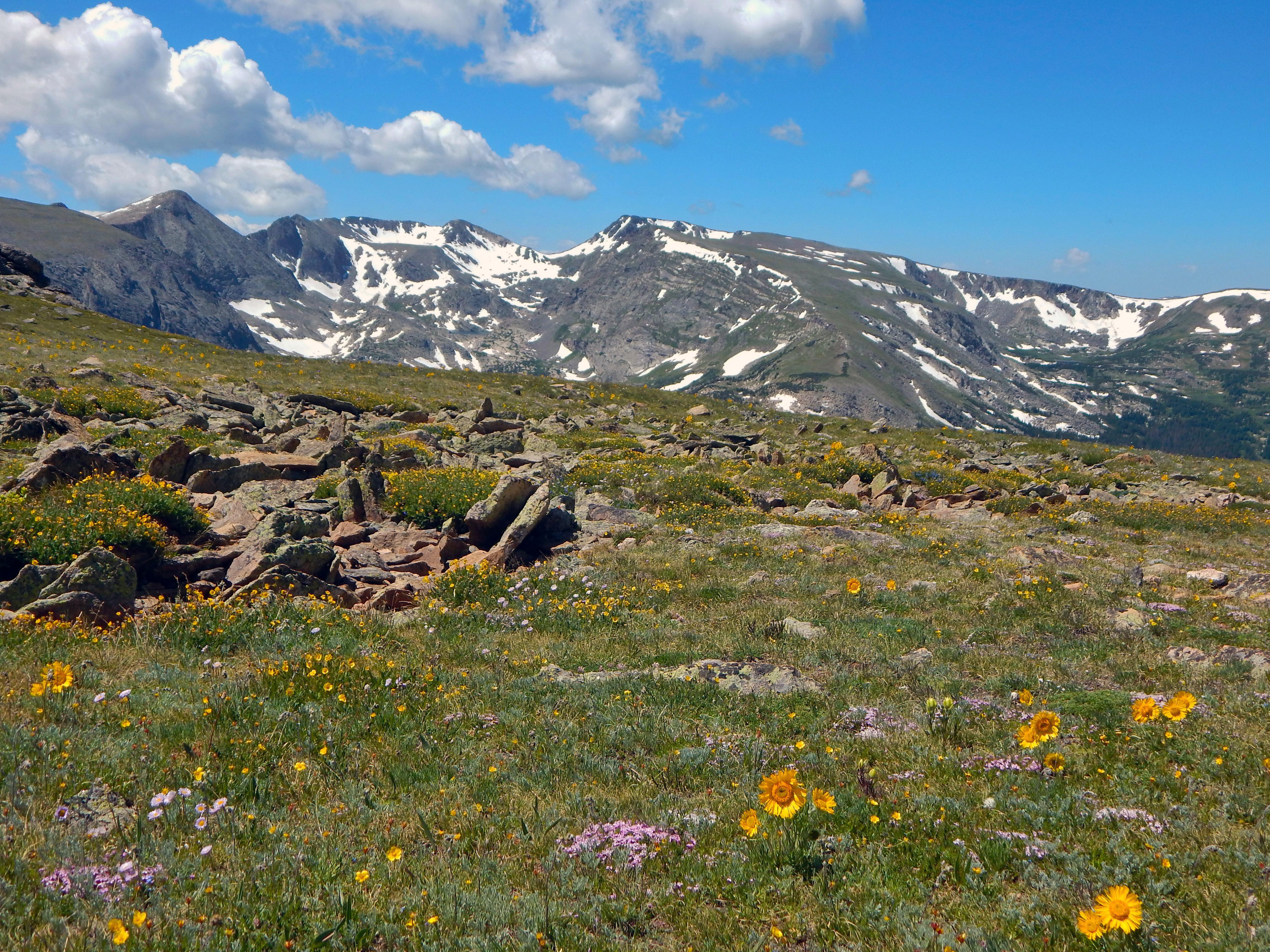
The best hikes in Rocky Mountain lead to glassy alpine lakes, thundering waterfalls, and tundra ridgelines above 12,000 feet, all within one of America's most beloved mountain parks. Rocky Mountain National Park packs an enormous range of trails into a compact area near Estes Park, from gentle lakeside strolls to lung-busting summit climbs. This guide covers the top hikes, how altitude affects your plans, the best seasons, and safety tips.
What are the best lake hikes in Rocky Mountain?
The Bear Lake corridor is the heart of the park's day hiking. From the Bear Lake trailhead, a moderate climb links Nymph Lake, Dream Lake, and Emerald Lake, three stunning alpine tarns backed by jagged peaks. Nearby, the hike to The Loch and onward to Sky Pond is a classic, passing waterfalls to a dramatic basin ringed by spires. These trails in Rocky Mountain National Park fill fast, so arrive at dawn or use the park shuttle during busy months.
What are the best waterfall and easy hikes?
For a shorter outing, Alberta Falls is a rewarding, family-friendly walk to a lively cascade, and it makes a great turnaround if the higher trails feel too ambitious. Bear Lake itself offers a nearly flat loop with reflections of Hallett Peak, ideal for all ages. Sprague Lake provides an accessible, stroller-friendly path with wide mountain views. These gentle options let you enjoy the high country without major elevation gain, which matters when you are still adjusting to the altitude.
What about challenging summit and ridge hikes?
Ambitious hikers have plenty to chase. Longs Peak, the park's only fourteener, is a serious, exposed all-day mountaineering objective that should only be attempted by prepared, acclimatized hikers in good conditions. For a less extreme challenge, Deer Mountain and Flattop Mountain offer big views for a strenuous day. Trail Ridge Road also opens easy tundra walks like the Alpine Ridge Trail, where you can experience the alpine zone without a long approach. Thin air makes every climb harder here.
How does altitude affect hiking, and when should you go?
Trailheads often start above 9,000 feet, so give yourself a day to acclimatize, drink extra water, and pace yourself. Summer, roughly July through September, offers the most open trails and reliable weather, but afternoon thunderstorms are common, so plan to summit early and descend before storms build. Fall brings golden aspens and the elk rut, while winter offers snowshoeing on lower trails. Check current-year timed-entry, road, and trail conditions before you visit, and explore more of Colorado while you are in the area.
How do you stay safe on the trails?
Weather changes fast at elevation, so carry layers, rain protection, and more water than you expect to need. Start early to beat lightning, and turn around if storms threaten exposed terrain. Watch for altitude sickness symptoms like headache and nausea, and descend if they worsen. Give wildlife plenty of space, especially elk and moose, and store food properly. With sensible planning, Rocky Mountain rewards hikers of every level with unforgettable high-country scenery.
Which Rocky Mountain hike should you choose?
For iconic alpine lakes, hike the Emerald Lake trail or push on to Sky Pond. For an easy outing, choose Alberta Falls, Bear Lake, or Sprague Lake. For a summit challenge, consider Deer Mountain or, for experts, Longs Peak. Match the hike to your fitness and acclimatization, and always leave time for the drive over Trail Ridge Road.
FAQ
What is the most popular hike in Rocky Mountain National Park?
The Emerald Lake trail through the Bear Lake corridor is the most popular, linking three beautiful alpine lakes in a moderate hike. Its trailhead fills early, so arrive at dawn or take the shuttle.
Do you need a reservation to hike Rocky Mountain?
The park has used a timed-entry reservation system during peak season in recent years, including special permits for the Bear Lake corridor. These programs change annually, so confirm the current-year rules before your visit.
Are the trails good for beginners?
Yes. Alberta Falls, Bear Lake, and Sprague Lake are excellent beginner options with modest elevation gain, while stronger hikers can progress to Emerald Lake, Sky Pond, or a summit.