
The best hikes in Hawaii Volcanoes National Park range from a short paved stroll across a former lava lake to a multi-day trek up the world's largest active volcano, so almost any hiker can find a trail that fits. This guide walks through the standout routes on Kīlauea and Mauna Loa, with distances, difficulty and what makes each one worth your time.
What is the single best hike in the park?
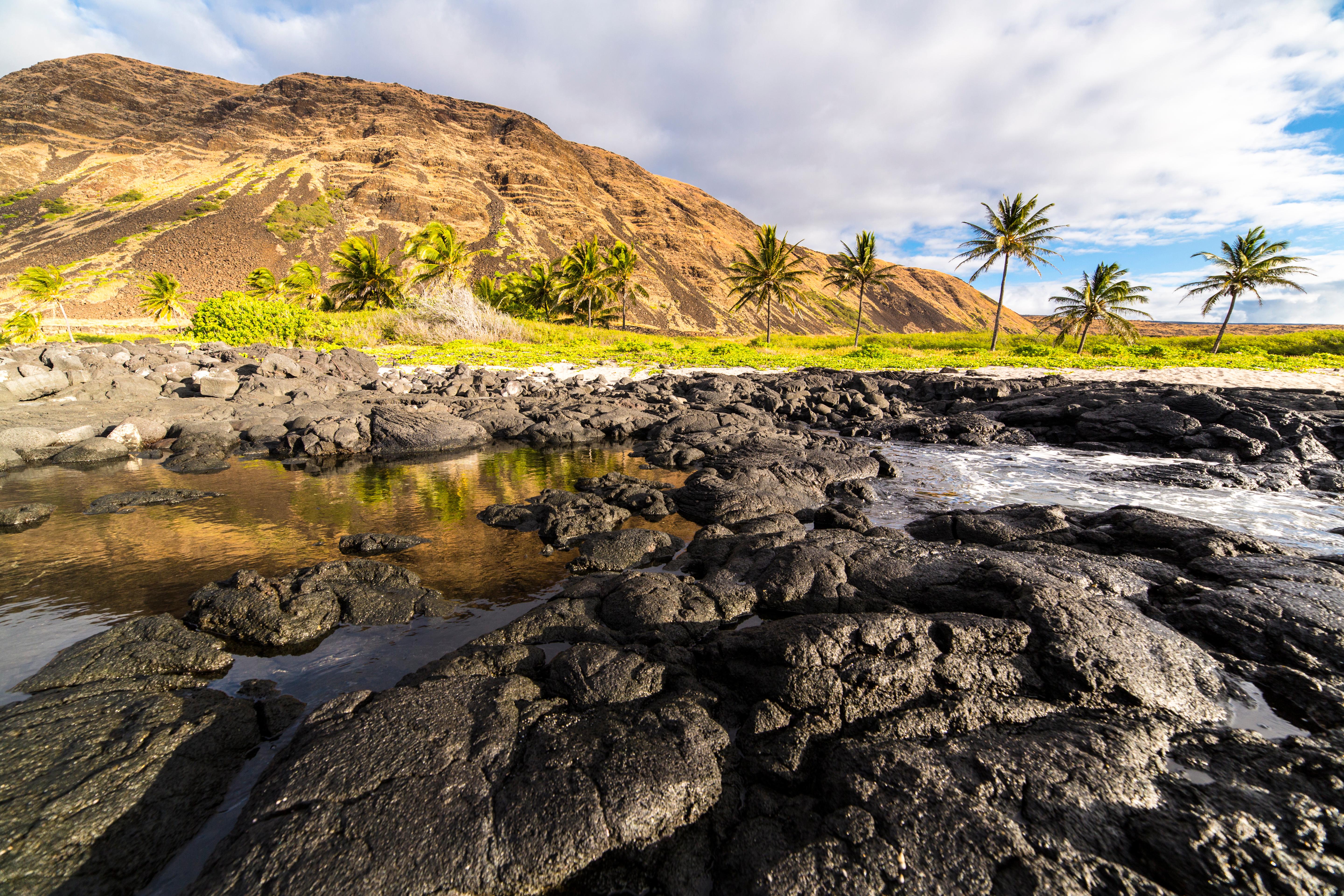
For most visitors, the Kīlauea Iki Trail is the highlight. This roughly 4-mile loop drops about 400 feet through fern-draped rainforest, then crosses the flat, still-steaming floor of a crater that was a churning lava lake in 1959. You walk directly over the hardened lake, past vents that exhale warm sulfur-scented air, before climbing back to the rim. Allow two to three hours and start early to beat both the heat and the crowds.
Which hikes are best for a short visit?
If you only have an hour, the paved Devastation Trail (1 mile round trip) crosses a cinder field buried by the 1959 eruption and is stroller- and wheelchair-friendly. The short walk to Ha'akulamanu (Sulphur Banks) passes steaming ground and yellow mineral deposits, while the Pu'u Loa Petroglyphs boardwalk along Chain of Craters Road reaches one of the largest petroglyph fields in Hawaii. Each of these takes well under an hour.
Are there tougher, longer hikes?
Yes. The Nāpau Trail heads out across recent lava flows toward Pu'u Ō'ō and rewards effort with raw, otherworldly scenery; a permit is required for camping. The most demanding option is the Mauna Loa Trail, a strenuous backcountry route that climbs above 13,000 feet to the summit caldera over several days. It demands altitude acclimatization, cold-weather gear and a wilderness permit, and is only for experienced, well-prepared hikers.
Where can you see rainforest and birds?
Not every trail here is volcanic rock. Kīpukapuaulu (Bird Park) is a gentle 1.2-mile loop through an old-growth "kīpuka," an island of forest spared by lava flows, where native honeycreepers flit between towering koa and ʻōhiʻa trees. It is a quiet, shaded contrast to the open craters and a favorite for families and birders.
How should you plan your day?
Because the park spans sea level to alpine summit, conditions change fast: it can be sunny at the coast and cold and rainy at the summit within an hour. Carry layers, rain protection, water and sturdy shoes, and never enter closed areas, as eruption activity and ground stability shift often. Check the current-year conditions, closures and any active-eruption guidance before you go. Pair your hike with a visit to nearby Haleakalā National Park on Maui, or browse other national parks in Hawaii to round out a multi-island trip. You can also compare trails at other national parks across the country or plan by state.
FAQ
How long is the Kīlauea Iki Trail?
The Kīlauea Iki loop is about 4 miles round trip with roughly 400 feet of elevation change, and most hikers finish it in two to three hours.
Do you need a permit to hike in Hawaii Volcanoes National Park?
Day hikes on front-country trails do not require a permit, but backcountry camping on routes like the Mauna Loa and Nāpau trails does. Check the current-year permit rules with the park before you go.
Is Hawaii Volcanoes National Park good for beginners?
Yes. Short, mostly flat trails such as Devastation Trail, Sulphur Banks and the Pu'u Loa Petroglyphs boardwalk are approachable for beginners and families, while longer crater and summit routes offer more challenge.
Can you see lava while hiking?
It depends entirely on current volcanic activity. Kīlauea erupts intermittently, so glowing lava may or may not be visible; always follow the park's active-eruption safety guidance and stay on open trails.