
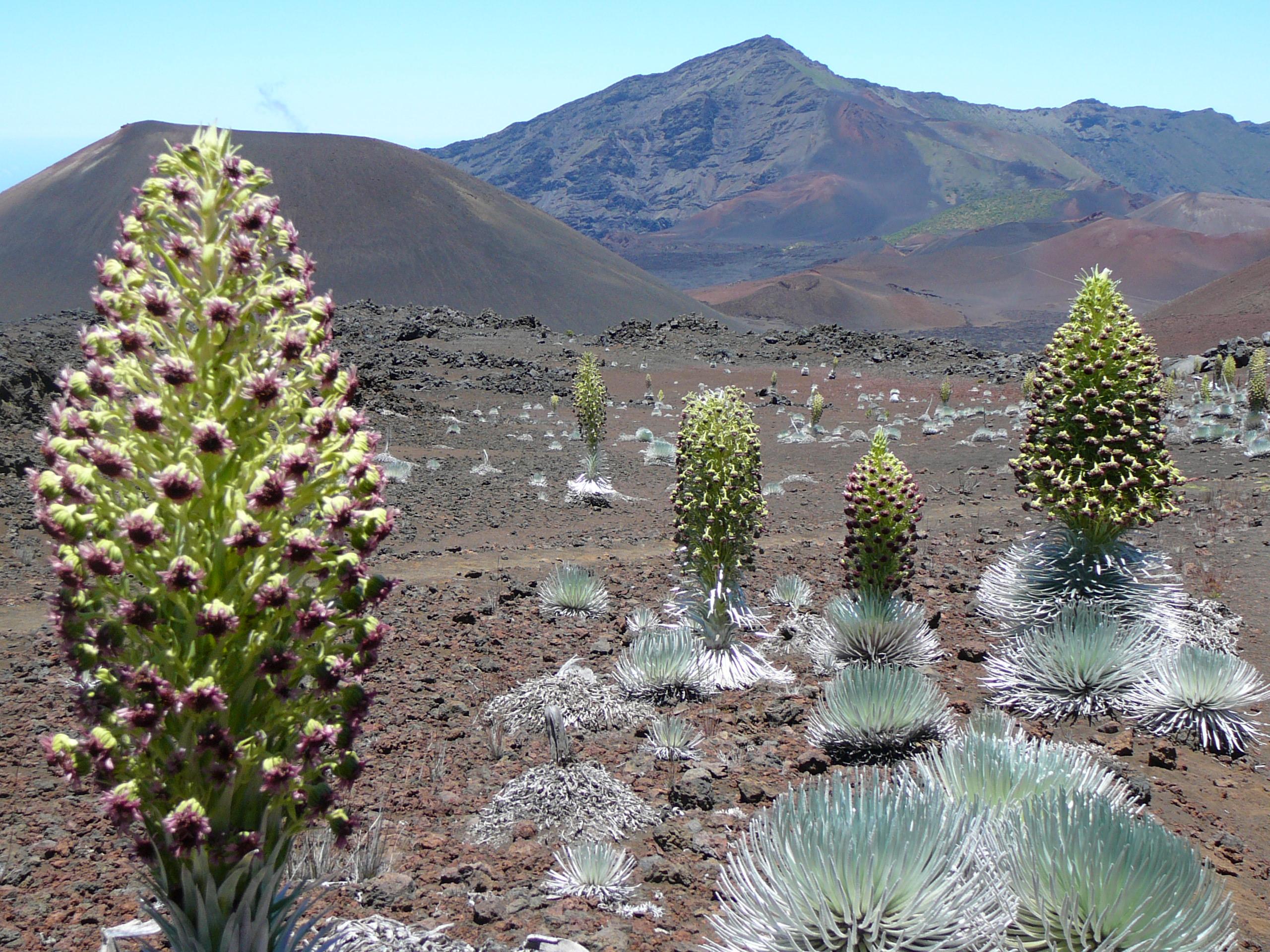
The best hikes in Haleakala National Park range from a walk across a volcanic moonscape to a rainforest trail that ends at a 400-foot waterfall. Haleakala is really two parks in one: the high-elevation Summit District, home to the vast Haleakala Crater, and the coastal Kipahulu District near Hana, with pools, bamboo, and jungle. Knowing which trails sit where is the key to planning a great day on Haleakala.
What is the best hike in Haleakala's summit?
The Keonehe'ehe'e Trail, better known as Sliding Sands, is the signature summit hike. It drops from about 9,800 feet near the visitor center down into the crater across red and gold cinder, feeling more like Mars than Maui. Going just 2 to 3 miles in and back gives you the full otherworldly view without committing to the full descent. Remember that every foot down must be climbed back up at altitude, so turn around early and carry water and sun protection.
Is there a longer crater backpacking route?
Yes. Strong hikers link Sliding Sands with the Halemau'u Trail for an 11-to-12-mile traverse through the crater floor past cinder cones and the Bottomless Pit, exiting at a different trailhead (arrange a car shuttle). Backcountry campsites and wilderness cabins let you overnight inside the crater, but these require permits or reservations, so check the current-year rules well in advance.
What is the best hike in the Kipahulu (Hana) side?
The Pipiwai Trail is the star of the coastal Kipahulu District. This roughly 4-mile round trip climbs past the Makahiku Falls overlook, through a dense, echoing bamboo forest, and ends at towering Waimoku Falls. Nearby, the short Kuloa Point loop visits the Pools of Oheo (Seven Sacred Pools). Note that Kipahulu is a long drive on the Road to Hana and is not connected to the summit inside the park.
Are there easy, short hikes at Haleakala?
Plenty. At the summit, the Pa Ka'oao (White Hill) trail is a short climb to sunrise viewpoints, and the Leleiwi and Kalahaku overlooks need only a few steps. The Hosmer Grove Nature Trail is a half-mile loop through fragrant forest that is one of the best spots to hear native birds. These are ideal if altitude or time is limited.
What should you know before hiking Haleakala?
The summit is cold, windy, and thin on oxygen, often 30 degrees cooler than the coast, so bring layers. Summit sunrise entry requires a separate reservation, so check the current-year system before dawn trips. Pair Haleakala with Hawaii's other national park, Hawaii Volcanoes on the Big Island, and see more in our Hawaii parks guide, the parks directory, and the states directory.
When is the best time to hike Haleakala?
Trails are open year round, but conditions vary sharply by district. The summit is best on clear mornings before afternoon clouds roll in, and winter can bring freezing temperatures and occasional ice near the top. The Kipahulu side is warm and humid, and its streams can flood after heavy rain, which sometimes closes the Pipiwai Trail or the Pools of Oheo for safety. Whichever side you choose, start early to beat both crowds and weather, and always check current-year alerts and road status for the Road to Hana before setting out.
FAQ
What is the best hike in Haleakala National Park?
For scenery, the Sliding Sands (Keonehe'ehe'e) Trail into the summit crater is the most iconic. For a waterfall and rainforest experience, the Pipiwai Trail on the Kipahulu side is the top pick.
How hard is the Sliding Sands Trail?
The trail itself is not technical, but the return climb at nearly 10,000 feet of elevation makes it strenuous. Most visitors hike partway in and back, budgeting extra time for the uphill return.
Can you hike from the summit to Kipahulu?
Not directly. The Summit District and the coastal Kipahulu District are separate areas reached by different roads, and there is no through-trail connecting them in a day.
Do you need a reservation to hike Haleakala?
General hiking does not require a reservation, but summit sunrise entry and any crater camping or cabins do. Confirm the current-year reservation and permit rules before your trip.