
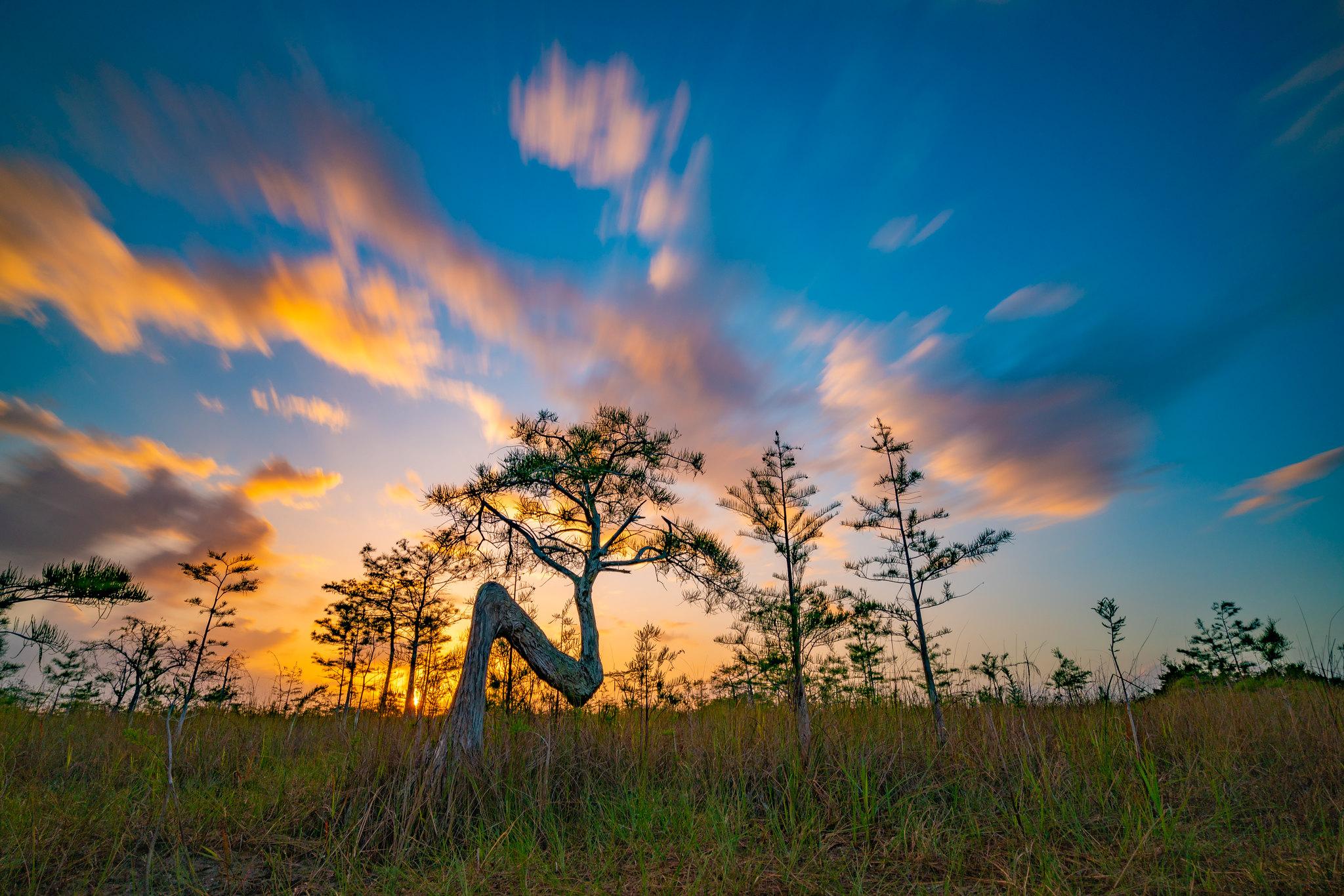
The best hikes in Everglades National Park are shorter and flatter than the mountain trails you'll find out West, but they deliver something few parks can match: a near-guaranteed close-up with alligators, wading birds and subtropical wilderness. Because this is a vast, watery landscape, "hiking" here often means boardwalks and raised paths that let you walk safely over marsh and mangrove. This guide covers the standout routes and how to time them.
What is the best short hike in the Everglades?
The Anhinga Trail at Royal Palm is the park's signature walk: a 0.8-mile paved-and-boardwalk loop where alligators bask feet from the path and anhingas, herons and turtles gather in the sawgrass sloughs. It is easily the best wildlife-to-effort ratio in the park. Pair it with the adjacent Gumbo Limbo Trail, a shaded 0.4-mile loop through a jungly hardwood hammock of gumbo-limbo and strangler fig trees.
Which hike has the best views?
Head to Shark Valley, where a 15-mile paved loop road runs to a 65-foot observation tower with panoramic views over the "river of grass." You can walk a portion, bike the full loop, or ride the tram; even a short out-and-back passes dozens of gators and wading birds. Nearby, the short Bobcat Boardwalk and Otter Cave Trail add quick, rewarding legs.
Are there longer or quieter trails?
Toward Flamingo at the park's southern tip, the Snake Bight Trail runs about 1.6 miles through dense hammock to a boardwalk overlooking Florida Bay, prime for spotting flamingos and roseate spoonbills at the right tide. The Coastal Prairie Trail and Christian Point Trail reach remote shoreline for hikers who want solitude. Bring strong insect repellent, as these paths can be buggy.
When is the best time to hike?
The dry season, roughly December through April, is by far the best time: mosquitoes ease off, wildlife concentrates around shrinking water holes, and trails stay passable. Summer brings heat, heavy rain, flooding and relentless mosquitoes. Whatever the season, carry water, sun protection and repellent, keep a safe distance from alligators, and check current-year conditions, closures and entrance details before you go.
What else is nearby?
South Florida packs three national parks close together. After the Everglades, pair your trip with Biscayne National Park, mostly water and reachable by boat, or the remote Dry Tortugas National Park out in the Gulf. Browse more national parks in Florida, or compare trails at other national parks and plan by state.
Which trails are best for families and boardwalks?
Families with young children or anyone wanting a dry, stroller-friendly outing should focus on the park's boardwalk trails. The Pa-hay-okee Overlook is a short raised boardwalk to a sweeping view of the sawgrass prairie, while the Mahogany Hammock Trail loops through a shady island of hardwoods that shelters the largest living mahogany tree in the country. Near Flamingo, the West Lake Trail carries you on a boardwalk through a tunnel of red, black and white mangroves, a great primer on the ecosystem that buffers Florida's coast. None of these exceeds half a mile, so you can string several together in a single morning and still have time for the Anhinga Trail.
FAQ
How long is the Anhinga Trail?
The Anhinga Trail is about 0.8 miles round trip on a flat paved-and-boardwalk loop, and most visitors finish it in 30 to 45 minutes, longer if wildlife is active.
Is it safe to hike near the alligators?
Yes, if you stay on the trails and keep at least 15 feet away. Alligators along popular routes like the Anhinga Trail are used to people but are wild; never feed or approach them.
What should I wear hiking in the Everglades?
Wear lightweight, breathable clothing, closed shoes that can get muddy, a hat and sunglasses, and apply insect repellent and sunscreen. Long sleeves help against both sun and mosquitoes.
Can you hike the Everglades in summer?
You can, but heat, afternoon thunderstorms, flooding and heavy mosquitoes make summer far less pleasant. The December-to-April dry season offers better conditions and wildlife viewing.