
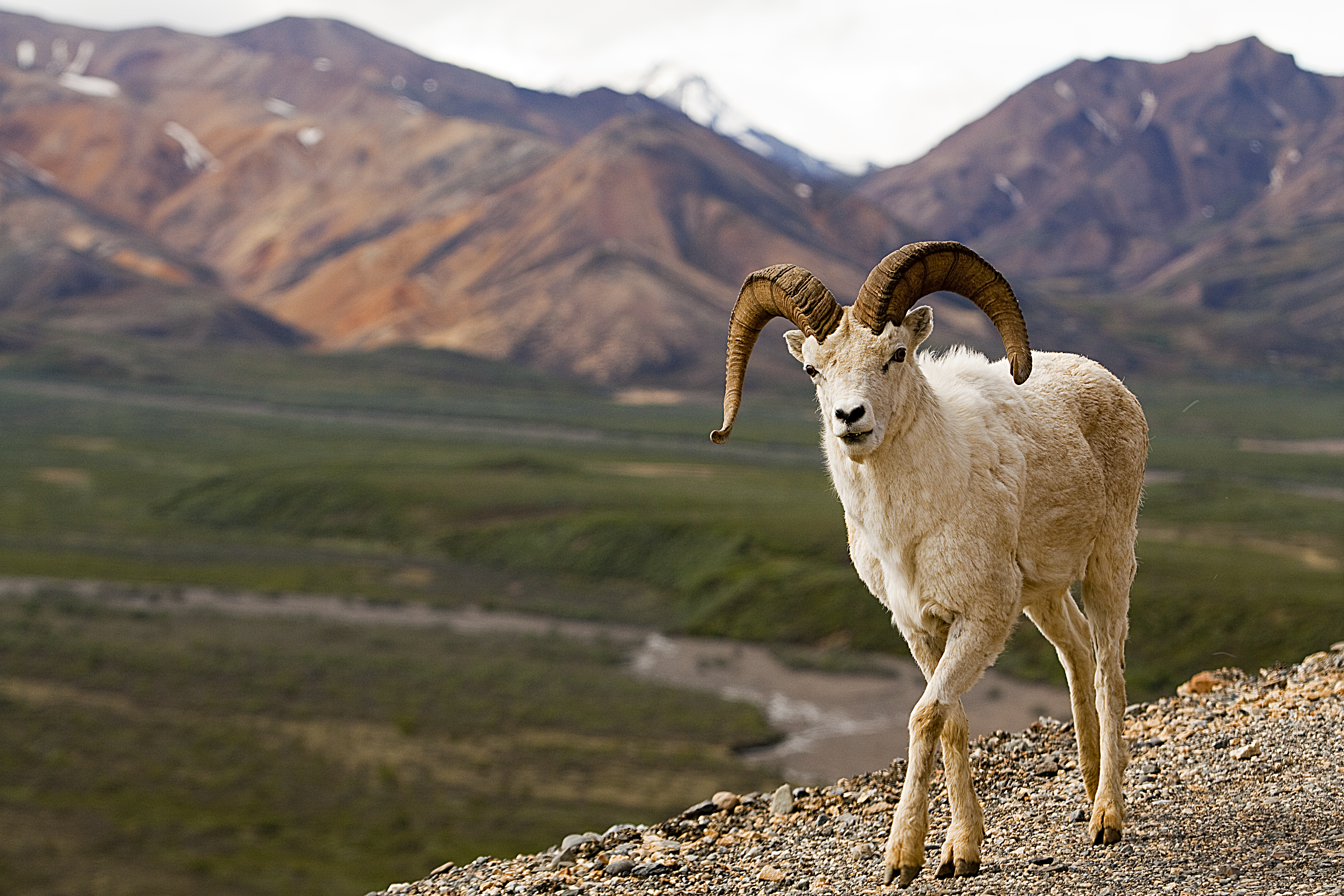
The best hikes in Denali National Park range from gentle lakeside loops near the entrance to exposed alpine ridges with sweeping views of the Alaska Range, and unlike most parks, some of the finest walking here happens entirely off-trail. Denali protects six million acres but has only a short network of maintained trails clustered near the park entrance at Mile 0 to 15 of the Denali Park Road. Knowing which trails those are, and how the park's bus system connects them, is the key to a rewarding day on foot.
What are the best hikes near the Denali park entrance?
The entrance area holds most of Denali's maintained, signed trails, and you can reach every one of them on foot or via the free courtesy shuttle. Horseshoe Lake Trail is the classic easy walk, about two miles round trip down to an oxbow lake of the Nenana River where beaver activity is common. The Rock Creek and Roadside trails link the visitor center to park headquarters through spruce forest, and the Taiga Trail ties the network together. For a short leg-stretcher with interpretive signs, the Savage River Loop at Mile 15 runs two flat miles along a braided river between tundra walls.
What is the best day hike in Denali?
For most fit visitors the Savage Alpine Trail is the standout day hike. It climbs roughly four miles point-to-point between the Savage River and the Mountain Vista rest area, gaining about 1,500 feet onto open tundra with panoramic Alaska Range views on clear days. Because it is point-to-point, hikers ride the free Savage River shuttle to avoid backtracking. If you want big elevation closer to the entrance, the Mount Healy Overlook Trail gains around 1,700 feet over a steep, rooty grade to a rocky viewpoint. The Triple Lakes Trail is Denali's longest maintained route at about 9.5 miles one way, threading forest and ridgeline between the visitor center and Mile 36 of the highway.
Can you hike off-trail in Denali?
Yes, and off-trail travel is part of what makes Denali distinctive. Beyond the entrance corridor the park deliberately has no trails, encouraging hikers to pick a river bar, ridge, or tundra bench and explore. Gravel river bars and open alpine tundra make the most walkable terrain, while dense brush and alder should be avoided. Day hikers can ride a transit bus deep along the Denali Park Road, ask the driver to stop, and set off across the landscape. Always carry a map, watch for wildlife, and keep the current-year Denali Park Road status in mind, since a landslide at Pretty Rocks has affected how far vehicles travel.
What should you know before hiking in Denali?
Denali's hiking season runs roughly late May through mid-September, and conditions shift fast, so pack rain gear and layers even on a warm morning. This is prime grizzly and moose country: carry bear spray, make noise, and keep at least 300 yards from bears and 25 yards from moose. Most of the Denali Park Road is closed to private vehicles beyond Mile 15, so plan your day around the bus schedule and check current-year road, bus, and reservation rules before you go. Water from streams should be treated, and there is no cell coverage across most of the Denali National Park and Preserve backcountry.
How does Denali compare to other Alaska parks for hiking?
Denali offers the widest mix of maintained trails and open off-trail terrain of any road-accessible Alaska park, which is why it anchors most first-time itineraries. Hikers chasing glaciers often pair it with Kenai Fjords National Park and its Harding Icefield Trail, while those after remote wilderness head to Wrangell-St. Elias National Park and Preserve. You can compare all of these on our Alaska national parks guide and browse trail guides for every park in our national parks directory.
FAQ
What is the hardest hike in Denali National Park?
Among maintained trails, the Mount Healy Overlook Trail is the most demanding near the entrance, with roughly 1,700 feet of steep gain. Serious backcountry hikers take on far tougher unmarked routes across tundra and river valleys deeper in the park.
Do you need a permit to day hike in Denali?
Day hiking in Denali does not require a permit, though overnight backcountry trips do. Everyone must pay the park entrance fee, and you should check the current-year backcountry permit and unit rules before an overnight trip.
When is the best time to hike in Denali?
June through early September offers the most reliable trail conditions and bus service, with July typically the warmest. Late August and early September add fall tundra color but colder nights and the chance of early snow.
Are there guided hikes in Denali?
Yes. Park rangers lead free walks in summer, and authorized concessioners offer guided day hikes and backcountry trips. Guided outings are a good way to try off-trail travel safely on a first visit.