
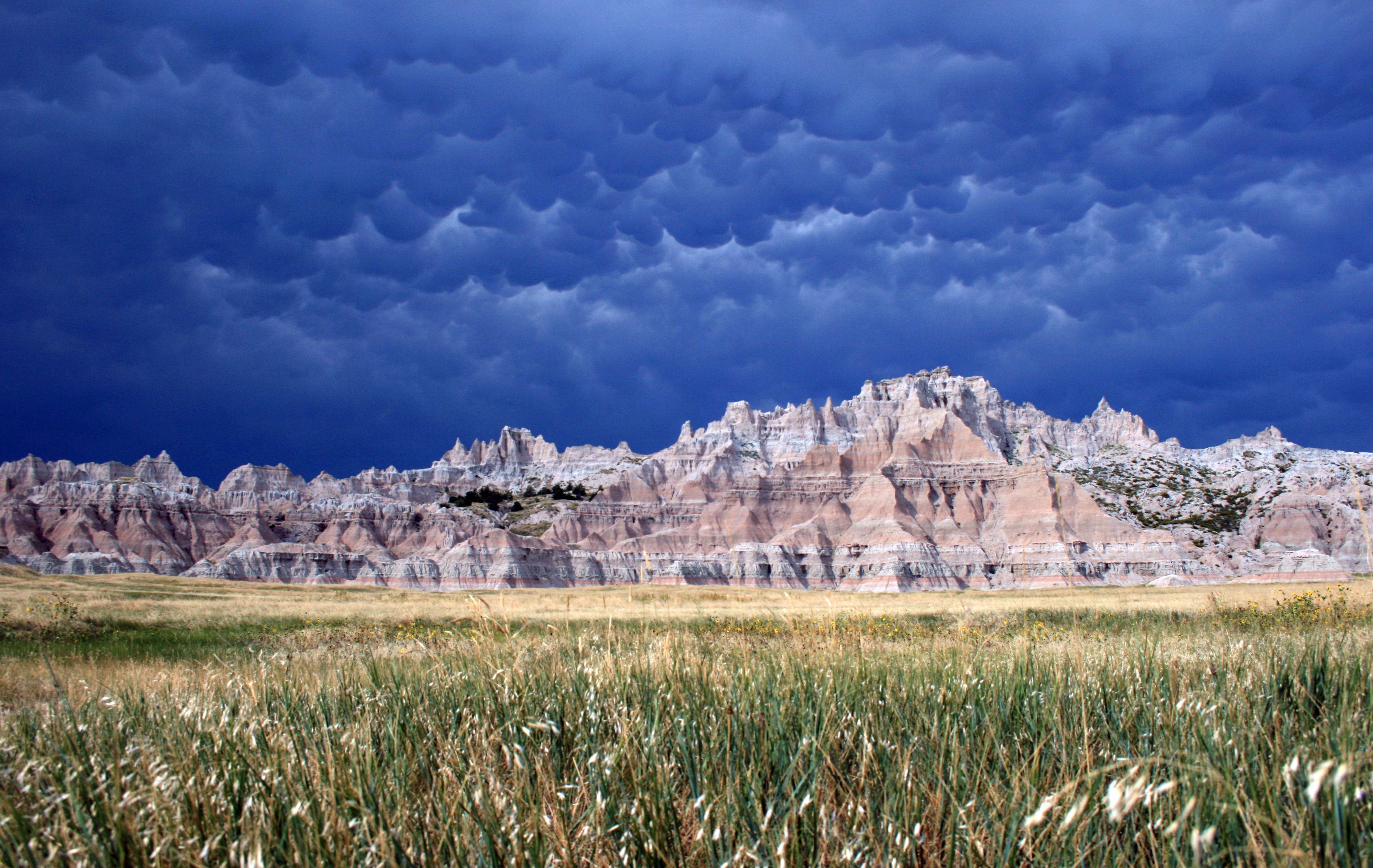
The best hikes in Badlands National Park lead through one of the most surreal landscapes in America, a maze of eroded spires, striped buttes, and open prairie in western South Dakota. Unusually for a national park, Badlands lets you hike almost anywhere across its rock formations, but its short marked trails pack in the best scenery. Here are the routes worth planning around.
What is the best short hike in Badlands?
The Notch Trail is the park's signature hike, a roughly 1.5-mile round trip that includes climbing a log ladder and edging along a canyon to a dramatic "notch" viewpoint over the White River Valley. Nearby, the Door Trail follows a boardwalk into a break in the Badlands Wall, and the Window Trail frames a natural opening in the rock. All three start from the same trailhead.
What is the best longer hike?
The Castle Trail is the longest marked route in the park, running about ten miles round trip across open prairie and past eroded formations. Many hikers combine it with the Medicine Root Loop for a varied half-day among wildflowers and grassland wildlife. Saddle Pass connects the prairie to the lower Badlands with a short but steep, sometimes slippery climb.
What is the best easy walk?
The Fossil Exhibit Trail is a fully accessible boardwalk with displays about the ancient creatures once found here, ideal for families and quick stops. The Cliff Shelf Nature Trail loops through a rare pocket of juniper woodland with boardwalks and stairs, offering shade and good sunset views over the formations.
How hard are the hikes, and what should you watch for?
Most marked Badlands trails are short, but heat, lack of shade, and loose footing make them feel harder than the mileage suggests. Summer temperatures soar and thunderstorms can turn clay trails to slick mud. Carry plenty of water, wear grippy shoes, and watch for rattlesnakes and bison. Check the current-year rules and any weather alerts before setting out.
How do you plan a Badlands hiking trip?
Base yourself near the Ben Reifel Visitor Center or in the town of Wall, and drive the Badlands Loop Road, which links most trailheads and overlooks. Give yourself a full day for the short trails or two days to add the Castle Trail. Nearby, Wind Cave and, farther west, Rocky Mountain extend a plains-to-peaks road trip. Always check the current-year rules for camping.
When is the best time to hike?
Late spring and early fall bring the most comfortable temperatures and active wildlife. Summer is hot and prone to sudden storms, so hike early. Sunrise and sunset paint the formations in gold, pink, and purple, making the short trails especially rewarding at the edges of the day. Winter is cold and quiet, with snow accenting the ridges.
FAQ
What is the most famous hike in Badlands?
The Notch Trail is the most famous, thanks to its log-ladder climb and cliffside viewpoint. It is a short but memorable hike that captures the drama of the Badlands.
Can you hike off-trail in Badlands?
Yes. Badlands has an open hiking policy that allows off-trail exploration across the formations. Bring navigation tools, water, and check the current-year rules, since the terrain is fragile and easy to get lost in.
How much time do you need at Badlands?
A half to full day covers the short trails and overlooks. Add a second day if you want to hike the Castle Trail or explore the wilder backcountry areas.What should you pack for hiking here?
Bring more water than you expect, sun protection, and shoes with good grip for loose, chalky terrain. There is almost no shade, so a hat and an early start help a lot in summer. Watch the sky for storms, since wet clay becomes treacherous, and check the current-year rules before heading into remote areas.
With its otherworldly formations and easy access from the loop road, Badlands rewards even short hikes with unforgettable scenery.