
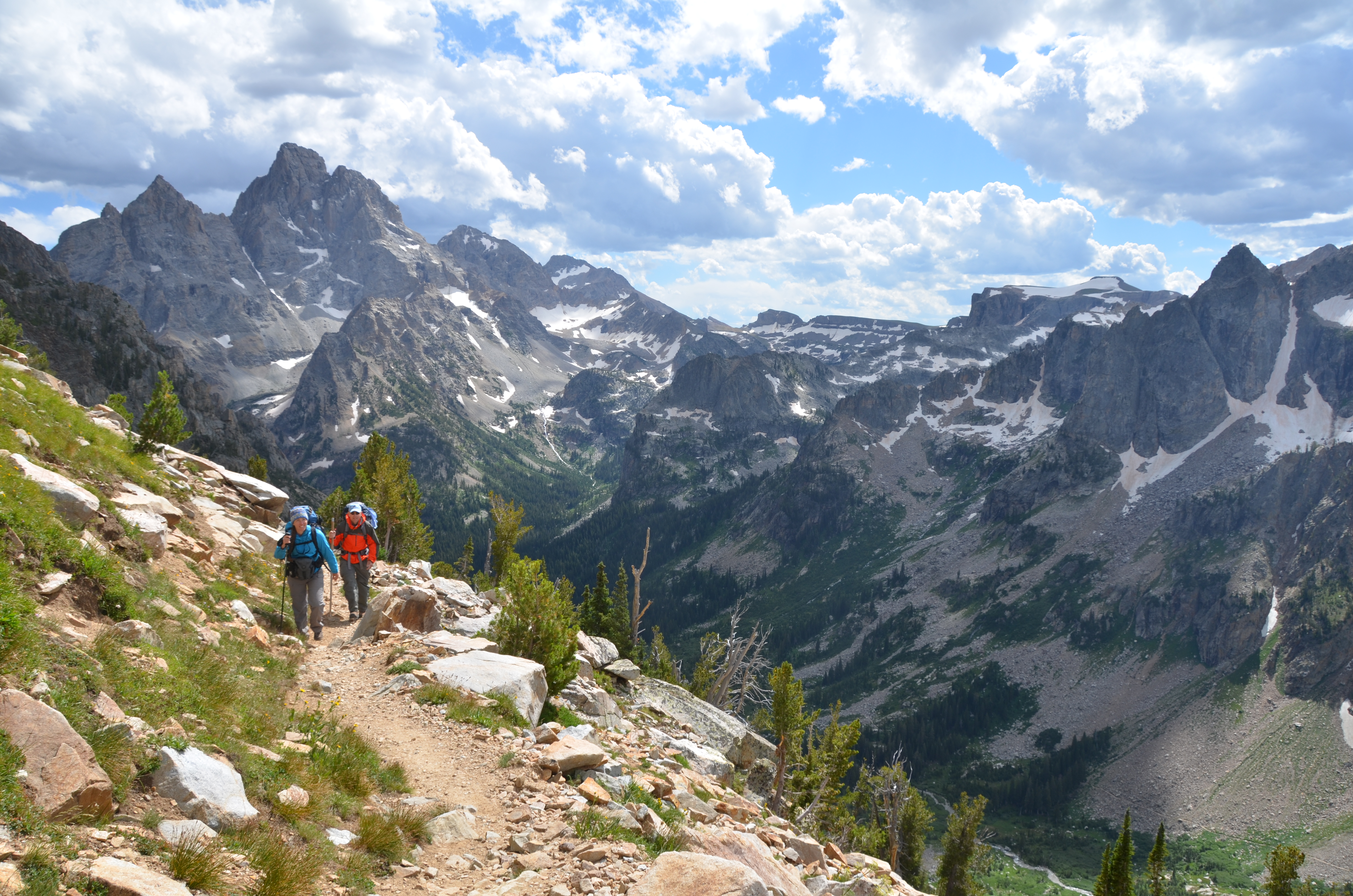
The best hikes in Grand Teton National Park range from flat lakeshore loops to steep alpine canyons, so almost any visitor can find a trail that fits their time and fitness. This guide breaks the park's most rewarding routes into easy, moderate, and strenuous tiers, tells you when conditions are best, and answers the permit and safety questions first-time hikers ask most.
What are the best easy hikes in Grand Teton?
For families and casual walkers, the Taggart Lake Trail is the classic choice: a roughly 3-mile round trip that ends at a glacial lake with the Teton Range towering behind it. The Jenny Lake loop and the short Hidden Falls walk (reached by the Jenny Lake shuttle boat) are equally scenic and mostly flat. String Lake offers a gentle shoreline path that is perfect for a picnic. None of these require technical skill, and all deliver the postcard views the park is famous for. If you only have a half day, start here before exploring the rest of Grand Teton National Park.
Which trails have the best mountain views?
Cascade Canyon is the crown jewel for scenery without extreme difficulty. From the Jenny Lake boat dock, you climb past Hidden Falls and Inspiration Point, then follow a gradual canyon floor between granite walls with a good chance of spotting moose. Delta Lake, an unofficial but wildly popular spur off the Amphitheater Lake trail, rewards the effort with a turquoise lake directly beneath the Grand Teton. For sunrise photographers, the Schwabacher Landing and Oxbow Bend areas provide reflective water shots without a long walk.
How hard are the strenuous hikes in Grand Teton?
The demanding routes gain serious elevation. Amphitheater Lake climbs about 3,000 feet over roughly 10 miles round trip, while Paintbrush Canyon to Lake Solitude and the Paintbrush-Cascade loop are long, high-altitude days best suited to fit, acclimatized hikers. Snow lingers on the higher passes well into summer, so check trail reports. Many visitors combine a day in the Tetons with nearby Yellowstone National Park for a full week of hiking.
When is the best time to hike in Grand Teton?
Mid-July through September offers the most reliable trail conditions, with wildflowers peaking in July and crisp, clear air arriving in September. Early summer brings lingering snow at elevation and swollen creek crossings, while October can deliver golden aspens but also the first serious storms. Whenever you go, start early to secure parking at Jenny Lake and to beat afternoon thunderstorms. You can plan around seasonal road access on our Wyoming parks guide.
What should you pack for a Grand Teton hike?
Carry more water than you think you need, layers for rapidly changing mountain weather, sturdy footwear with good traction, and sun protection for exposed stretches. Bear spray is essential and should be carried where you can reach it instantly. A paper map or downloaded offline map matters because cell service is unreliable across most of the park.
FAQ
Do you need a permit to hike in Grand Teton?
Day hiking does not require a permit, but overnight backcountry trips do. Permit rules and reservation windows change annually, so check the current-year rules on the official park website before your trip.
Are dogs allowed on Grand Teton trails?
Pets are not permitted on park hiking trails. They are allowed only in limited areas such as roadsides, parking lots, and campgrounds, and must stay leashed.
Is bear spray necessary in Grand Teton?
Yes. Grand Teton is home to both black and grizzly bears, and rangers strongly recommend every hiker carry bear spray and know how to use it before heading out.